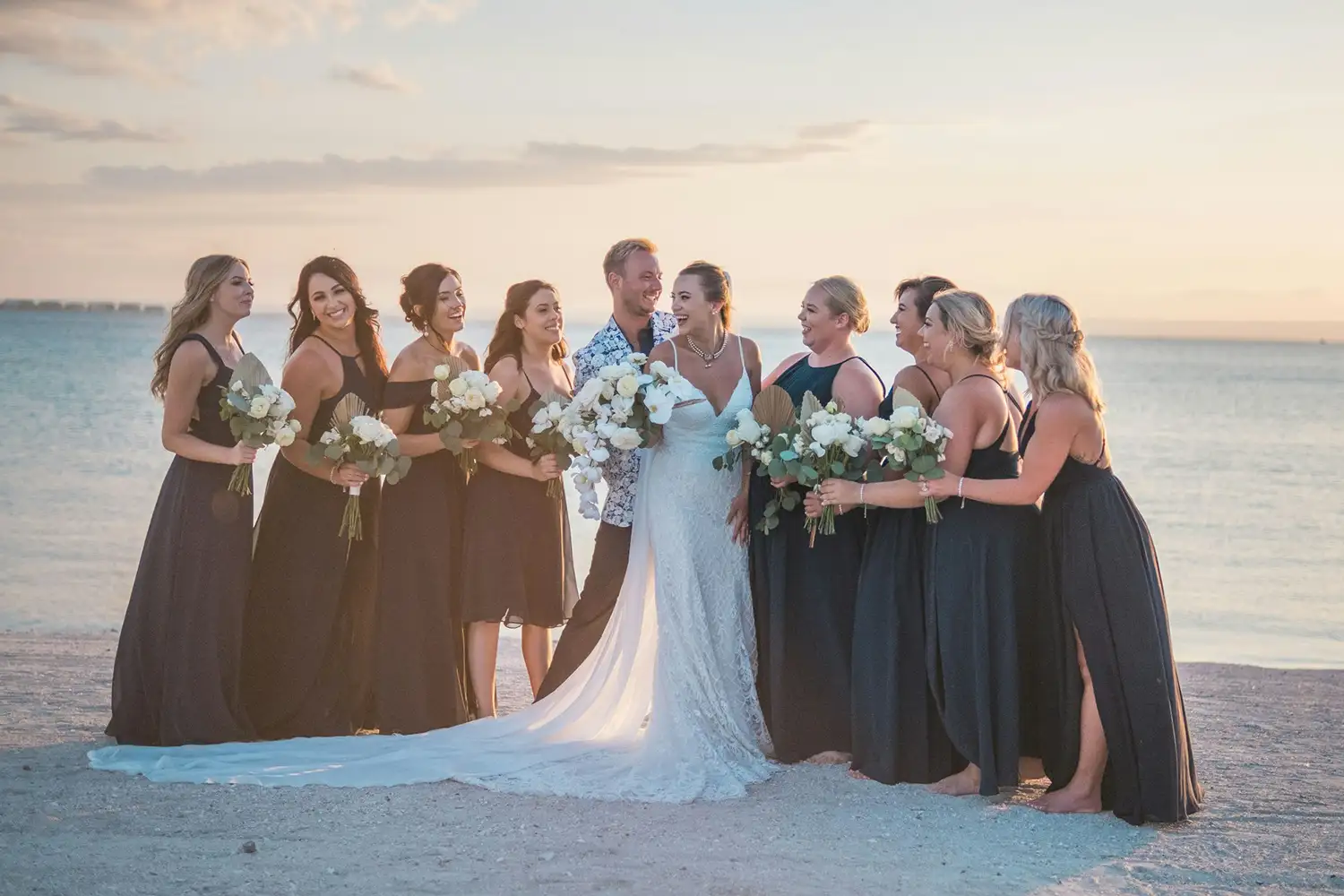
Whangarei is one of Northland’s most rewarding places to get married, and one of its most underestimated. The district stretches from the Tutukaka Coast in the east to rural farming land in the west, from native bush reserves close to town, out to the dramatic headlands of the Whangarei Heads. Couples getting married here have a genuinely wide range of options to choose from. But it also means the wedding photographer you choose needs to be comfortable across very different locations, lighting conditions, and types of terrain, sometimes all within the same day.
Choosing someone who has worked across that range matters more than it might in a city where venues are clustered together and conditions are relatively predictable. This guide covers what to think about when searching for a Whangarei wedding photographer, what questions are worth asking, and what to watch out for before you sign a contract.
The District Is Bigger Than It Looks on a Map
One of the most common surprises for couples planning a Whangarei wedding is how much ground the district covers. Whangarei Heads is around 30 minutes from the city centre. The Tutukaka Coast runs about 20 to 30 minutes in the other direction. Rural venues north or west of town add their own travel time, and if your day involves a ceremony at one location and a reception somewhere else, or portrait sessions at a scenic spot away from your venue, those distances stack up quickly.
A photographer who underestimates the geography can cost you the golden hour portraits you had in mind. Someone who knows the district well will build a realistic schedule from the start, one that accounts for travel time, the position of the light at specific locations at specific times of year, and the inevitable small delays that every wedding day produces. When you are talking to potential photographers, ask them directly how they structure a multi-location day. You’re looking for an answer that demonstrates this is a question they’re familiar with.
Book Earlier Than You Think You Need To
Whangarei is not as stretched for availability as the Bay of Islands during peak season, but good photographers in the region do book out. Summer Saturdays go first, and photographers who travel regularly to Northland from Auckland plan their calendars well in advance. If you have a date in mind and a photographer you genuinely want, the safest approach is to secure them before you finalise anything else. Trying to lock in your first-choice photographer three months out from a summer wedding is a gamble you may lose.
A useful starting point when building your shortlist is FindPhotographers.co.nz, where you can filter by region and compare portfolios before reaching out directly. Keep in mind that many professional photographers travel for weddings, so do not rule someone out purely on the basis of where they are based.
Local Photographers and Those Who Travel
Whangarei has a solid community of photographers based in the district, from experienced operators who have spent years shooting across Northland to newer photographers building their portfolios at competitive rates. There are also Auckland-based photographers who travel to the region regularly and have genuine familiarity with its venues and conditions. Both are worth considering, but the practical differences are real.
A local photographer typically brings lower or no travel costs, an established familiarity with the district’s light conditions across seasons, and existing relationships with local venues that can be genuinely useful on the day. A photographer travelling from Auckland may offer a style or aesthetic that appeals to you, but factor in that travel and accommodation costs are usually added on top of their base rate. Neither option is automatically better. What matters is whether the photographer knows the area well enough to work confidently in it, wherever they are based.
Whangarei’s Light and Landscape Are Specific
Northland gets a lot of sun, and in summer that means strong midday light that can be harsh for outdoor portraits, particularly at coastal venues where there is little shade. Experienced photographers plan around this by scheduling portrait sessions in the late afternoon when the light softens. At the Whangarei Heads and along the Tutukaka Coast, the late afternoon light in summer can be exceptional, but only if the photographer has factored it into the day’s timeline from the start.
Bush settings closer to town work differently. The canopy filters the light throughout the day in ways that suit a more relaxed, natural style of photography, and those green surroundings photograph well in most conditions without needing perfect timing. Rural properties on the open plains around Whangarei give you wide skies and long views that reward a completely different compositional approach. A photographer who has worked regularly across the range of Whangarei environments will handle those shifts without needing to improvise on the day.
Northland Weather Needs a Real Contingency Plan
Northland has a warm climate but it rains at every time of year, including in the middle of summer. Coastal conditions can shift quickly, and wind is a genuine practical factor at exposed venues like the Heads. None of this should worry you excessively, but it does mean your photographer needs a concrete plan rather than a reassuring attitude.
Ask them directly: what do they do when it rains? What covered or sheltered options do they know at or near your venue? How do they adjust when the light closes in? Photographers who have worked across Northland’s range of conditions tend to find overcast days genuinely useful for portraiture, since diffused light is often more flattering than direct sun. A less experienced photographer may not have a workable answer to these questions. How they respond will tell you a great deal about how they will perform under pressure on the day itself.
Ask to See a Full Wedding Gallery
Every photographer leads with their strongest images on their website and social media, which tells you they can produce excellent work under ideal conditions. What it does not tell you is how they perform across the full span of a wedding day. Ask specifically to see a complete gallery from a single wedding, from the getting-ready shots through to the reception. Look at how they handle a small room with limited light, how the candid moments between formal events read, and how they manage artificial or mixed lighting at indoor receptions.
Whangarei venues range from coastal garden settings to rural barn properties to function rooms in town, each with its own lighting challenges. A photographer whose gallery holds up consistently across all of those is demonstrating something a curated highlights reel cannot. Pay attention also to whether the people in the images look at ease or visibly self-conscious. Natural, unguarded moments are the hardest thing to produce consistently, and a full gallery will show you clearly whether a photographer can do it.
Know What Photographic Style Suits You
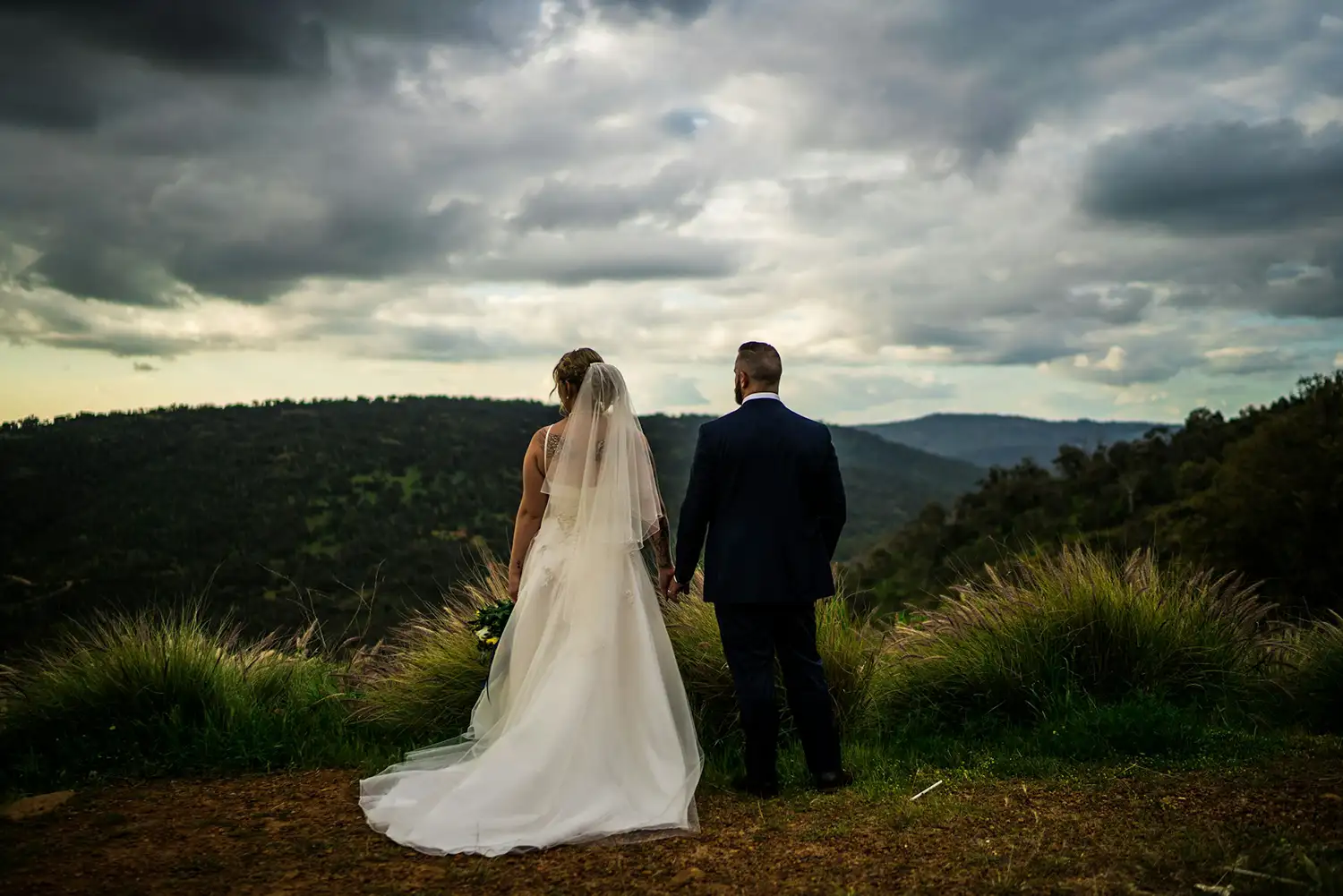
Wedding photographers generally work somewhere on a spectrum between documentary and posed. Documentary photographers prioritise capturing the day as it unfolds, staying in the background and directing as little as possible. Photographers who lean toward a posed approach build structured time into the day for formal portraits, group shots, and deliberate compositions. Most photographers blend the two, but they all have a natural lean, and that lean shapes how the day feels for everyone involved.
Think honestly about which suits you before you start making contact. If you find being photographed uncomfortable and want your day to feel uninterrupted, a photographer who needs two hours for formal portraits is going to frustrate you. If comprehensive family shots and a full set of posed portraits are genuinely important to you, a photographer whose entire approach is documentary may not deliver what you had in mind. Tell photographers clearly what you want, and ask how they typically structure a day. The answer will tell you whether you are actually aligned before any money changes hands.
Get a Full Written Breakdown of Costs
Photographer pricing in Whangarei varies considerably depending on experience, whether they are based locally or travelling from elsewhere, and what their packages include. Always ask for a complete written breakdown before agreeing to anything: the number of hours covered, whether a second shooter is included, how many edited images you will receive, the turnaround time, and how the final files are delivered. Some photographers provide online galleries with download access, others include USB drives or printed albums. These differences matter and none of them should be a surprise after the wedding.
Ask about backup camera equipment as a standard part of your conversation. A professional should arrive at every wedding with at least two camera bodies. Equipment failure happens, and a photographer carrying a single camera to an event that cannot be repeated is taking an unnecessary risk. Also ask what their contingency is if they are unable to attend due to illness or an emergency. A professional will have a genuine answer, and those details should be reflected in the contract.
Read the Contract Carefully Before You Sign
A written contract is not optional. It should clearly cover the date, venue, hours of coverage, the full cost and payment schedule, cancellation terms for both parties, and what happens if the photographer cannot attend. A photographer who is reluctant to provide one is a meaningful warning sign, not a minor administrative quirk.
Read the image rights section carefully. Most contracts allow the photographer to use your images for portfolio and promotional purposes, which is standard. What you need to confirm is that you also hold full rights to print, share, and use your own wedding photographs without restriction.
Pay close attention to the postponement clauses. Northland weddings can occasionally be disrupted by weather or access issues, particularly at coastal venues, and the distinction between a postponement and a cancellation in terms of what is refundable can matter a great deal if your date has to change. Read those clauses before you are in the middle of a stressful situation, not after. If anything is unclear, ask the photographer to explain it. That conversation will also tell you something about how easy they are to work with.
Take Your Time and Choose Well
Whangarei rewards couples who put thought into their photographer choice. The region has locations that can produce genuinely exceptional wedding images, but the variety of those locations means the right photographer needs to be adaptable, well prepared, and familiar enough with the district to make the most of what is there. That combination is not universal, and it is worth taking the time to find it.
Ask thorough questions, look at complete galleries rather than highlights, and trust your instincts about whether a photographer is genuinely prepared or simply confident. The photographs from your wedding day will outlast most other things from it. Getting the right person behind the camera is one of the decisions you will not get a second chance at.

Leave a Reply
You must be logged in to post a comment.