Profile
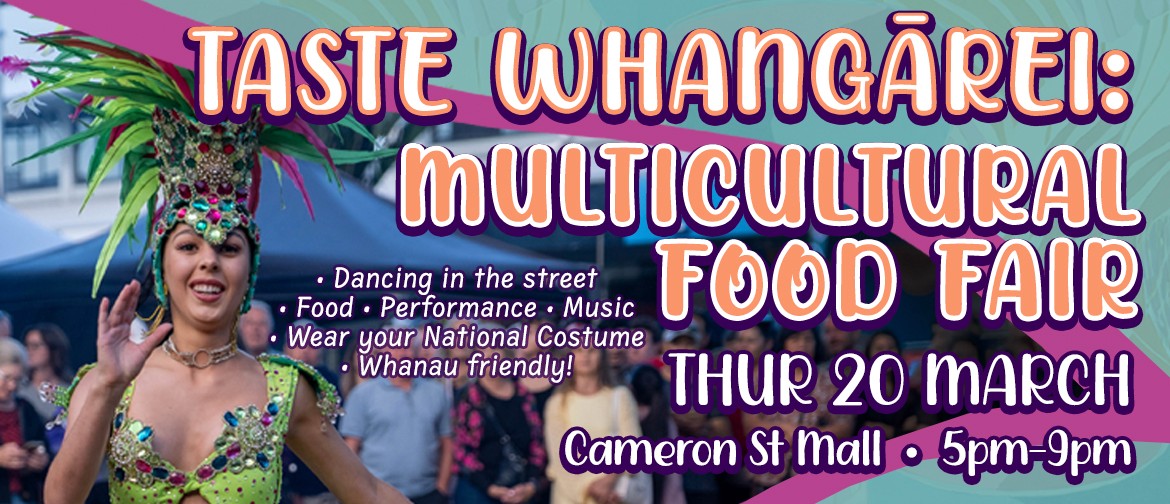
One evening each March, Cameron Street Mall closes to traffic and opens to the world. Taste Whangārei fills the pedestrian mall with food vendors representing the cultures that call the district home. Indian curries. Filipino adobo. Middle Eastern falafel. Asian street food. Pacific Island dishes. European treats. The variety reflects Whangārei’s demographic reality. People from dozens of countries have settled here, and for one evening they showcase the cuisines that define their cultures.
The festival runs from late afternoon into the evening, typically 2pm to 10pm on a Thursday in mid-March. The timing suits families, with children finishing school and parents finishing work in time to attend together. The evening format means cooler temperatures than midday events, making eating and wandering more comfortable. As darkness falls, the atmosphere shifts. Lights come on. Performances continue. The crowd settles into relaxed evening mode, lingering over food and conversation.
This is a young festival. The first Taste Whangārei happened in 2024, making 2025 only the second year. But the response has been enthusiastic enough that it looks set to become a regular fixture. The combination of free entry, central location, diverse food and cultural performances hits the right notes for both multicultural communities wanting to celebrate their heritage and the broader Whangārei population wanting to experience that diversity.
The Food
Food vendors form the festival’s backbone. Local restaurants, food trucks and community groups set up along Cameron Street, each representing different culinary traditions. The range spans continents. Asian vendors might offer Thai, Vietnamese, Chinese, Japanese, Korean or Filipino dishes. Indian restaurants showcase regional specialties. Middle Eastern vendors bring kebabs, falafel and sweets. Pacific Island food trucks serve island favourites. European vendors add their traditions to the mix.
For many vendors, particularly those representing smaller ethnic communities, Taste Whangārei provides rare opportunity to showcase authentic cuisine to large audiences. The restaurant serving their home country’s food to a small regular clientele suddenly has hundreds of potential new customers walking past. The home cook making traditional dishes for family and friends can share that food with the wider community. These introductions matter, both economically and culturally.
The emphasis is on authenticity rather than fusion or adaptation. Vendors serve the food their communities actually eat, not westernized versions designed for cautious palates. That means encountering flavours, spices and cooking techniques that might be unfamiliar. It also means genuine cultural exchange through food rather than sanitized tourism.
Prices stay reasonable. This is street food pricing, not fine dining. Most dishes cost between $5 and $15, making it affordable to sample multiple vendors. Families can feed everyone without spending a fortune. The accessibility matters for an event trying to bring diverse communities together.
Cultural Performances
A stage hosts continuous performances throughout the event. Traditional dances from various cultures take turns showcasing heritage through movement and music. Bollywood dance groups perform choreographed routines. Pacific Island dancers demonstrate traditional and contemporary styles. African drumming and dance bring different rhythms. Chinese cultural performances might include dragon dances or traditional music. Filipino cultural groups showcase their traditions.
These performances aren’t just entertainment. They’re cultural transmission and celebration. Children learning traditional dances from their parents’ or grandparents’ home countries. Young people connecting with heritage through performance. Communities demonstrating pride in their cultures while sharing them with neighbours who might know little about those traditions.
The performances create atmosphere beyond what food alone could achieve. Walking through the festival, you hear different languages, different music, different sounds. You see traditional costumes, different styles of dress, different expressions of cultural identity. The sensory immersion makes the diversity tangible rather than abstract.
Local performers feature prominently, giving the festival authentic Whangārei character rather than feeling like imported entertainment. These are people from the community, performing for their neighbours, celebrating cultures that exist right here in Northland rather than somewhere distant and theoretical.
Community and Connection
Taste Whangārei emerges from collaboration between multiple organizations working in the multicultural space. Multicultural Whangārei, WINGS (Whangārei Intercultural Network Group Services), English Language Partners and Whangārei District Council all contribute to making the event happen. This partnership model brings together different perspectives, resources and connections into communities that might otherwise remain isolated.
For recent immigrants and refugees, events like Taste Whangārei provide important community connection. Finding others who speak your language, who cook your food, who understand your cultural references makes settling in a new country less isolating. The festival creates visible reminder that you’re not alone, that others share your background and that the wider community is interested in what you bring.
For established residents, the festival offers introduction to neighbours they might not otherwise encounter. Whangārei’s multicultural communities often concentrate in particular areas or workplaces. Social mixing can be limited. Taste Whangārei brings everyone together in shared public space, creating opportunities for interaction that daily life doesn’t always provide.
The alcohol-free, smoke-free and vape-free policy ensures family-friendly environment. Parents bring children without concern. Different cultural and religious groups all feel comfortable attending. The inclusivity is intentional, reflecting the festival’s goal of bringing everyone together rather than catering to particular demographics.
The Welcoming Communities Programme
Taste Whangārei fits within Whangārei District’s broader commitment to becoming a Welcoming Community. The district joined this national programme in 2023 and achieved Committed Welcoming Community status in May 2024, the first of four accreditation levels. The programme recognizes that welcoming newcomers requires intentional effort, not just good intentions.
The festival demonstrates this commitment through action. Celebrating cultural diversity. Providing platforms for multicultural communities to share their cultures. Creating opportunities for interaction and connection. Supporting businesses and individuals from diverse backgrounds. All of this contributes to making Whangārei a place where people from anywhere can feel at home.
The broader context matters for understanding why a relatively small festival in its second year receives significant council support and community enthusiasm. It’s not just about food and entertainment. It’s about the kind of district Whangārei wants to be and how it treats the increasingly diverse population choosing to settle here.
Practical Details
Cameron Street Mall provides ideal venue. The pedestrian mall between James Street and Robert Street creates contained space perfect for festival layout. Road closures (James Street and Cameron Street from the corner of John Street) ensure safety while maintaining access to surrounding areas. The central city location means easy access by walking, cycling or public transport.
Parking is available in public carparks within walking distance. The Central City Carpark Building on John Street provides the closest dedicated parking, though spaces fill up on event evening. Street parking in surrounding areas offers additional options. Given the central location, many locals simply walk from home or park further out and enjoy the walk.
The event is free to attend, removing financial barriers to participation. You pay only for food and anything you purchase from vendors. This accessibility is deliberate. The organizers want everyone to be able to attend regardless of economic circumstances. The trade-off is that vendors depend entirely on sales, so supporting them by purchasing food is encouraged.
Accessibility receives attention. Wheelchair access, accessible parking, accessible toilets and viewing areas ensure people with mobility challenges can fully participate. The flat terrain of the mall helps, as does the relatively compact event footprint.
A Growing Celebration
As a young festival, Taste Whangārei is still finding its identity and establishing traditions. The 2024 inaugural event tested the concept. The 2025 second year builds on what worked while adjusting what didn’t. Future years will likely bring expansion, more vendors, more diverse performances and stronger community participation as the festival becomes established.
The timing in March places it alongside other multicultural celebrations like Pasifika Fusion Festival, creating a month that highlights Whangārei’s cultural diversity. This clustering might eventually lead to more coordinated programming or themed weeks that tie events together. For now, each operates independently but contributes to the overall message about valuing diversity.
The festival’s success depends largely on community embrace. If multicultural communities feel represented and celebrated, if vendors find economic benefit, if performances showcase authentic culture and if the wider Whangārei population attends and engages, then Taste Whangārei will thrive. Early signs suggest this is happening, with positive response to the first two years creating momentum.
More Than Food
Walking through Taste Whangārei, the easy observation is that it’s a food festival. And it is. The food is central, delicious and diverse. But look slightly deeper and you see something more significant. You see communities celebrating heritage while building new connections. You see children learning about cultures beyond their own. You see recent immigrants finding representation and welcome. You see established residents discovering complexity in neighbours they thought they knew.
The festival creates visible reminder that Whangārei contains multitudes. The district isn’t homogeneous and hasn’t been for some time. People from dozens of countries call it home, bringing languages, religions, traditions and cuisines that enrich the whole community. Events like Taste Whangārei make this diversity visible, celebrated and accessible rather than hidden or ignored.
For an event in its early years, still establishing itself and finding its audience, Taste Whangārei has already demonstrated its value. The attendance, the enthusiasm and the community response suggest this is filling a need. Whangārei needed a festival celebrating its multicultural character, and now it has one.
Experience Whangārei’s Cultures
If you’re in Whangārei during mid-March, check whether Taste Whangārei coincides with your visit. The evening format makes it easy to incorporate into most travel schedules. The central location means you’re probably nearby anyway. The free entry removes any financial risk in showing up to see what it’s about.
Come hungry. The food is the entry point. Try dishes you’ve never encountered. Ask vendors about ingredients and preparation. Sample widely rather than filling up on familiar choices. Then watch the performances. Notice the diversity on stage and in the crowd. Strike up conversations with people from different backgrounds. Let yourself be reminded that the world is bigger and more interesting than daily routine sometimes suggests.
For event details, vendor information and updates for the 2026 festival, check the Whangārei District Council What’s On calendar closer to March or follow Multicultural Whangārei and partnering organizations on social media.
Map
Sorry, no records were found. Please adjust your search criteria and try again.
Sorry, unable to load the Maps API.