This guide to Arborists in Whangārei explains the core services offered by local experts, and important things to consider, such as safety certifications, insurance, and sustainable practices. We suggest some questions you can ask to help you choose an arborist and also how to ask for a quote.
Local Arborists
Choose the Business + SEO package to List your Arborist Company here
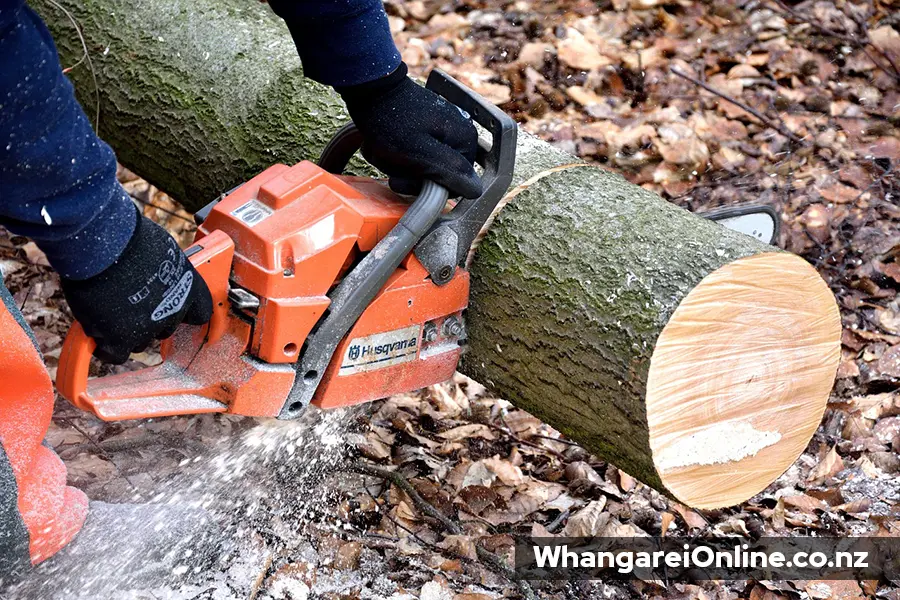
Trees are some of the most valuable parts of our properties, providing shade, beauty, privacy, and habitat for birds and insects. But they also need proper care, and sometimes removal, which is where qualified arborists come in. Finding a good arborist in Whangārei can make the difference between a tree that thrives for decades and one that becomes a hazard. Whether you have a magnificent pōhutukawa at risk of dropping branches, a hedge that’s grown out of control, or need to clear land for a new build, knowing what to look for in an arborist will save you money, protect your property, and keep everyone safe.
What Does an Arborist Do?
Arborists are trained professionals who specialise in the care and maintenance of trees, shrubs, and other woody plants. They’re sometimes called tree surgeons, which gives you an idea of the skill level involved. Unlike someone with a chainsaw and a ute, a qualified arborist understands tree disease, proper pruning techniques, and how to work safely at heights.
The work arborists do includes tree pruning and shaping, tree removal and felling, stump grinding, hedge trimming, tree health assessments, pest and disease diagnosis and treatment, emergency storm damage response, land clearing, and planting advice. Some arborists also specialise in consultancy work, providing reports for resource consents, assessing tree risk, or advising on preservation during building projects.
Why Qualifications Matter
Tree work is the second most dangerous job in New Zealand, right after commercial fishing. Working with chainsaws at height, dealing with unpredictable falling timber, and operating heavy machinery all carry serious risks. A qualified arborist has formal training in both the technical aspects of tree care and the safety procedures needed to do the work properly.
In New Zealand, formal arborist qualifications include the New Zealand Certificate in Horticulture (Arboriculture) at Level 3 and Level 4, and the New Zealand Certificate in Horticulture Services (Arboriculture) at Level 4 and Level 5. Level 3 covers basic tree maintenance, while Level 4 and 5 arborists have advanced skills in complex tree work, risk assessment, and management. A fully qualified arborist typically has Level 5 certification, which takes about 28 months through an apprenticeship programme.
Beyond these national qualifications, the International Society of Arboriculture (ISA) offers the Certified Arborist credential, recognised worldwide. ISA Certified Arborists have passed a comprehensive exam covering tree biology, diagnosis, maintenance, and safety. Some also hold specialisations in areas like utility work (near power lines) or municipal arboriculture.
Membership in the New Zealand Arboricultural Association (NZARB) is another good sign. Members have access to ongoing training, industry updates, and networking with other professionals. It shows an arborist is committed to staying current with best practices.
Insurance is Non-Negotiable
Any arborist you hire must have comprehensive insurance. This isn’t negotiable. Tree work involves significant risks, not just to the workers but to your property, neighbouring properties, and anyone nearby.
At minimum, an arborist should have public liability insurance of at least $2 million. This covers damage to property (yours or your neighbours’), injury to people, and other accidents that might occur during tree work. If a branch falls on your fence, your car, or your house, proper insurance means you’re protected.
Workers’ compensation insurance is equally important. If an arborist or their crew member is injured on your property and they don’t have workers’ comp, you could be held financially liable. In New Zealand, most businesses with employees are required to have ACC levies, but it’s worth checking that coverage specifically includes tree work, which is classified as high-risk.
Don’t just take their word for it. Ask for a Certificate of Insurance and verify it’s current. A professional arborist expects this question and will provide documentation without hesitation. If they seem offended or make excuses, walk away.
Safety Standards and Practices
A professional arborist takes safety seriously. Look for companies that have documented safety programmes, regular safety meetings and training, proper personal protective equipment for all workers (helmets, cut-resistant clothing, high-visibility gear), well-maintained equipment and machinery, regular gear inspections, and first aid qualified staff.
When you get a quote, observe how the arborist assesses the job. Do they spend time looking at the tree from different angles? Do they check for power lines, buildings, fences, and other potential hazards? Do they discuss their work plan with you? A good arborist will explain how they’ll tackle the job safely, including how they’ll protect your property and any nearby structures.
Understanding Tree Services
Different jobs require different levels of expertise. Here’s what you might need:
Tree Pruning and Maintenance: Proper pruning improves tree health, removes dead or dangerous branches, improves shape, and can increase fruit production. Bad pruning (like topping) can seriously damage or kill a tree. A qualified arborist knows where and how to cut without harming the tree’s long-term health.
Tree Removal: Sometimes trees need to come down, whether they’re dead, diseased, dangerous, or in the way of development. Tree removal requires careful planning, especially in confined spaces near buildings or power lines. The arborist needs to understand tree physics, have rigging skills, and know how to dismantle a tree safely piece by piece when it can’t simply be felled.
Stump Grinding: After a tree is removed, the stump remains. Stump grinding removes the visible portion using specialised machinery, preventing regrowth and allowing you to replant or landscape the area.
Emergency Work: Storm damage can leave trees in precarious positions, hanging branches, or trees leaning dangerously. Emergency tree work needs immediate response and extra care, as the situation is often unstable and unpredictable.
Tree Health Care: Trees can suffer from various problems including pests like scale insects, beetles, and wasps, diseases like fungal infections and bacterial problems, environmental stress from drought, waterlogging, or poor nutrition, and physical damage from storms, possums, or construction work. A qualified arborist can diagnose problems and recommend treatment, which might include targeted pruning, pest control, soil improvement, or in severe cases, removal.
Local Considerations for Northland Trees
Northland’s subtropical climate creates specific challenges and opportunities for tree care. Our high humidity, warm temperatures, and good rainfall mean trees grow well here, but these same conditions favour pests and diseases. Fungal problems are common in our damp climate, particularly on trees that don’t get good air circulation.
Coastal areas from Whangārei Heads to Tūtūkākā deal with salt-laden winds that can stress trees and cause die-back on exposed branches. An experienced local arborist knows which species cope well with coastal exposure and how to prune to minimise wind damage.
We also have some significant biosecurity concerns. Kauri dieback disease is devastating our native kauri forests. If you have kauri trees or work needs to be done near kauri, the arborist must follow strict hygiene protocols including using approved cleaning stations for boots and equipment, avoiding unnecessary soil disturbance, and potentially not working on kauri at all if they’ve recently worked in infected areas. A responsible arborist will know about these requirements without you needing to prompt them.
Other common tree issues in Northland include possum damage (a huge problem for many species), myrtle rust on plants in the Myrtaceae family, and various scale insects and beetles. An arborist familiar with Northland trees will recognise these problems and know how to address them.
Getting Quotes and Comparing Services
Always get at least three quotes for any significant tree work. This helps you understand the going rate and compare different approaches.
A detailed quote should include a clear description of the work to be done, which trees or parts of trees will be worked on, what equipment will be used, whether stump grinding is included, how the site will be cleaned up, whether wood and waste will be removed or left for you, the timeline for the work, and the total cost broken down by labour, equipment, and disposal.
Be wary of quotes given over the phone without a site visit. Trees are complex, and every site has unique challenges. A professional arborist needs to see the tree, assess access, check for hazards, and understand your specific requirements before giving an accurate price.
Compare not just the price but what’s included. A quote that’s significantly cheaper might not include waste removal, might cut corners on safety, or might not be properly insured. The most expensive option isn’t always the best either. You’re looking for a balance of fair pricing, proper qualifications, good communication, and comprehensive service.
Questions to Ask Potential Arborists
Before hiring anyone, ask:
- What are your qualifications? (Look for NZQA Level 3 minimum, preferably Level 4 or 5, or ISA certification)
- Are you a member of the NZ Arboricultural Association?
- Do you have current public liability and workers’ compensation insurance? Can I see proof?
- How long have you been working as an arborist?
- Have you done similar work to what I need?
- Can you provide references from recent jobs?
- What’s your approach to this specific job? How will you ensure safety?
- What equipment will you use?
- Do you have a written safety plan?
- Who will actually do the work? (Important if they use subcontractors)
- What happens if weather delays the work?
- How will you leave the site? What clean up is included?
- Do you do the work yourself or will you send a crew?
For tree health issues, also ask about their diagnosis process, what treatment they recommend and why, and whether they can provide ongoing monitoring if needed.
Red Flags to Watch For
Avoid arborists who:
- Can’t provide proof of current insurance
- Don’t have proper qualifications or training
- Offer quotes that seem too good to be true
- Recommend topping trees (this is widely recognised as harmful practice)
- Pressure you to decide immediately, especially with scare tactics about tree danger
- Arrive unsolicited at your door offering cheap deals
- Ask for large upfront payments
- Can’t provide references
- Don’t have a physical business address or landline
- Turn up without proper safety equipment
- Recommend removing healthy trees without good reason
Also be cautious of “tree loppers” or general contractors who do some tree work on the side. Tree work requires specific skills and equipment. Someone who mainly does fencing or landscaping may not have the expertise needed for complex or dangerous tree jobs.
Understanding Whangarei District Council Requirements
Some tree work in Whangārei requires resource consent, particularly if the tree is protected, on a heritage property, or in a notable tree listing. Before removing or significantly pruning large trees, especially natives, check with the council. A good arborist will know about these requirements and can often advise whether consent is needed.
If your tree work involves getting close to power lines, special rules apply. Only arborists with specific training and certification in utility work can work within 4m (13 feet) of power lines. Never attempt this yourself or hire someone without the right qualifications. Contact Top Energy if you’re unsure whether power line safety is an issue for your tree work.
Signs Your Trees Need Professional Attention
Some situations clearly need an arborist, while others might not be obvious. Call a professional if you notice:
- Dead or dying branches, especially large ones
- The tree is leaning significantly, particularly if this has changed recently
- Cracks in the trunk or major limbs
- Fungal growth on the trunk or at the base (mushrooms, brackets, or soft rot)
- Large areas of missing or peeling bark
- The tree has been damaged in a storm
- Branches are interfering with power lines or buildings
- The tree is showing signs of disease (unusual leaf colour, premature leaf drop, oozing sap, wilting)
- Pest damage (holes in bark, sawdust at the base, visible insects)
- You’re planning construction near a tree you want to keep
- The tree is blocking light or views and you’re not sure how to prune it safely
Early intervention often saves trees that would otherwise need removal, so don’t wait until a small problem becomes a crisis.
The Work Process
Professional tree work follows a clear process:
- Initial consultation and site visit – The arborist assesses the tree(s), discusses your requirements, checks for hazards, and plans the approach
- Written quote – You receive a detailed written quote with all work specified
- Scheduling – Once you accept, work is scheduled. Weather-dependent outdoor work needs some flexibility
- Site preparation – The arborist may need to cordon off the area, protect gardens or structures, and set up equipment
- The work – Depending on the job, this might take hours or days. The arborist should keep you informed of progress
- Clean up – All debris is cleared, wood and waste removed (unless you want it), and the site left tidy
- Final inspection – Walk through the completed work with the arborist to ensure you’re satisfied
Equipment and Machinery
Professional arborists use specialised equipment. Depending on the job, this might include chainsaws of various sizes, pole saws for reaching higher branches, wood chippers for processing branches, stump grinders, elevated work platforms (cherry pickers), rigging equipment for controlled lowering of large branches, climbing gear (ropes, harnesses, spikes), and heavy machinery like excavators for large jobs or land clearing.
Well-maintained equipment is safer and more efficient. During your initial consultation, ask about what equipment they’ll use. This also helps you understand what access they’ll need. A large chipper or stump grinder might not fit through a narrow side path, which affects how the job can be done.
Cost Considerations
Tree work isn’t cheap, and for good reason. The equipment is expensive, insurance costs are high, training takes years, and the work is physically demanding and dangerous. Prices vary depending on tree size and complexity, access (easy or difficult), whether the tree can be felled or must be climbed and dismantled, disposal requirements, stump grinding, travel distance, and urgency (emergency work costs more).
As a rough guide, basic pruning of a small tree might start from a few hundred dollars, while removing a large tree in a confined space could cost several thousand. Always get itemised quotes so you know what you’re paying for.
What Good Tree Work Looks Like
When the work is complete, you should see clean cuts on pruned branches (not torn or ragged), appropriate pruning that maintains the tree’s natural shape, no “topping” or stub cuts, even cuts on stumps (if ground) below grass level, thorough clean up with no debris left behind, and no damage to surrounding plants, structures, or paving. If the arborist has worked on a tree for health reasons, they should explain what they’ve done and any follow-up care needed.
Maintaining Your Trees
After professional tree work, some ongoing care helps keep trees healthy. Water young trees during dry spells (Northland summers can be tough), mulch around the base (but not piled against the trunk) to retain moisture and suppress weeds, check regularly for pest or disease issues, have trees inspected every few years by an arborist, prune as needed to maintain shape and remove dead wood, and avoid damage from lawnmowers or weed eaters near the trunk.
Native trees generally need less maintenance than exotics once established, though they still benefit from occasional assessment by someone who knows what to look for.
Choosing the Right Arborist for Your Needs
After gathering information and quotes, trust your instincts. Choose an arborist who communicates clearly and professionally, has appropriate qualifications and insurance, demonstrates knowledge of local trees and conditions, takes time to explain their approach, provides detailed written quotes, comes recommended by others, and makes you feel confident in their abilities.
Remember, you’re not just buying tree removal or pruning, you’re investing in the long-term health and safety of your property. A good arborist will offer advice on tree care, suggest alternatives to removal when possible, and help you make informed decisions about your trees.
Whether you need a hazardous tree removed, a heritage pōhutukawa carefully pruned, or advice on tree health, taking the time to find a properly qualified and insured arborist makes all the difference. Your trees, your property, and your safety are worth the effort.


Leave a Reply
You must be logged in to post a comment.