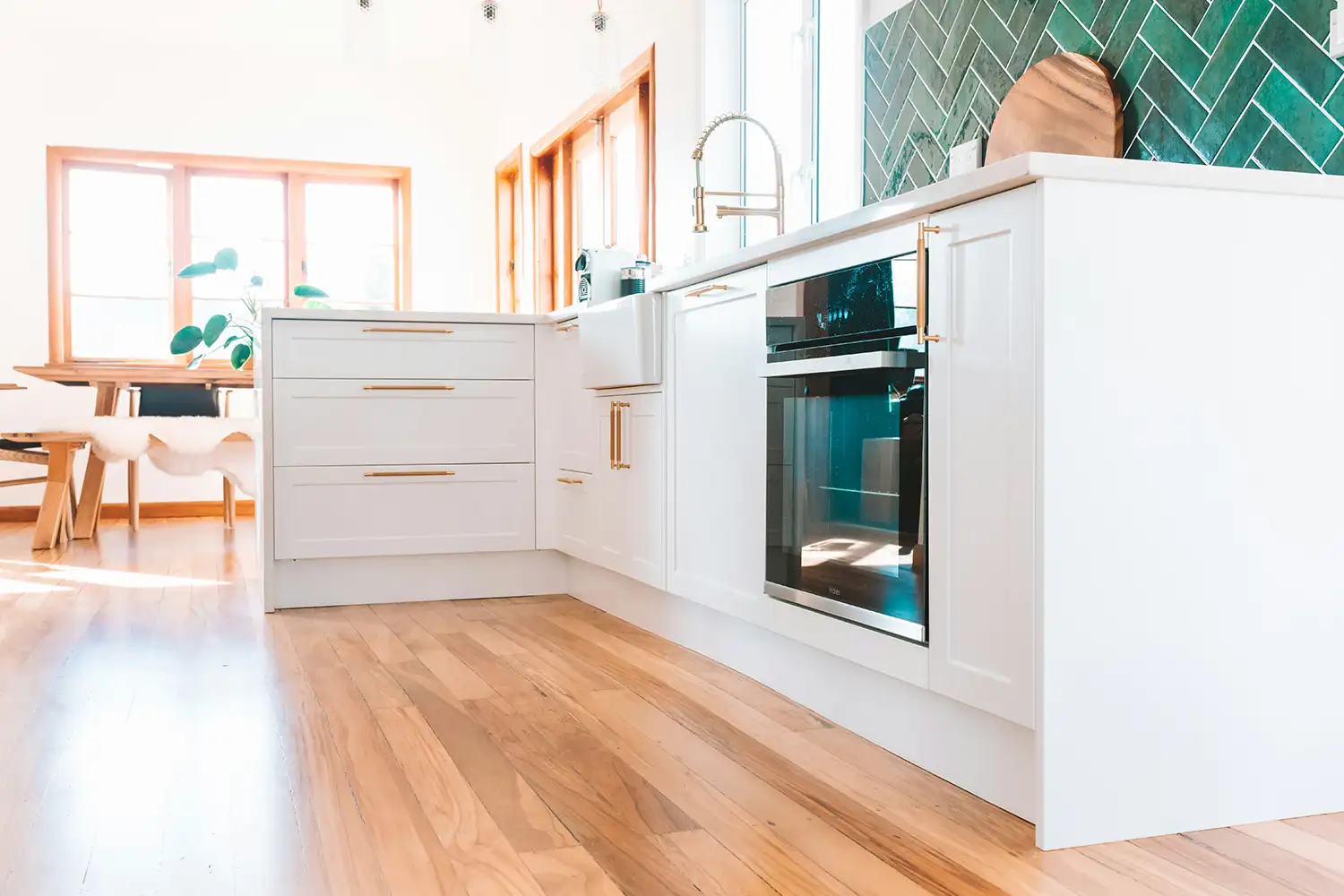
Finding the right cabinet maker in Whangārei can make a real difference to how your home looks, functions, and holds its value. Whether you are planning a new kitchen, a bathroom renovation, built-in wardrobes, or a commercial fit-out, the quality of the cabinetry and joinery will be something you live with every day. This page covers what to look for, what questions to ask, and what to watch out for when choosing a cabinet maker in Whangārei.
Featured Cabinetmakers

Choose the Business + SEO package to List your Joinery Business here
What Does a Cabinet Maker Do?
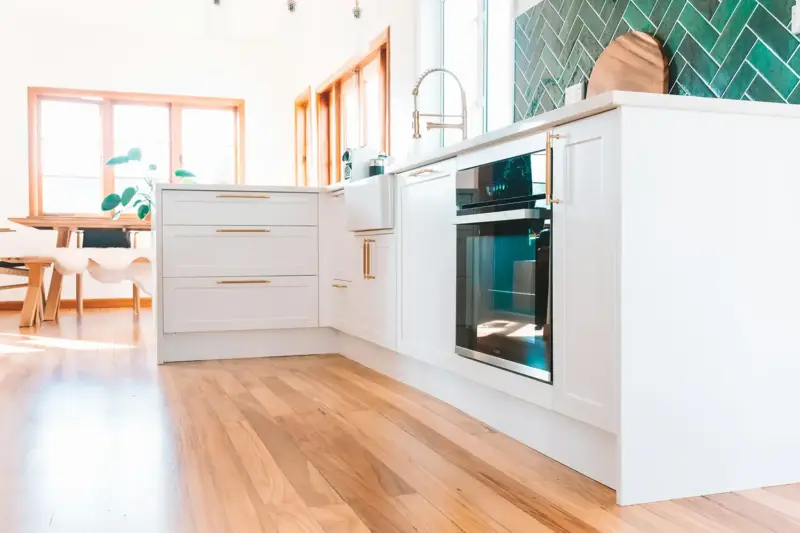
Cabinet makers are skilled tradespeople who design, build, and install custom and semi-custom cabinetry and joinery. The work goes well beyond kitchens, though that is often what people think of first. A good cabinet maker can handle a wide range of projects across your home or business.
Common cabinet making services include kitchen design and installation, bathroom vanities and storage, laundry cabinetry, built-in wardrobes and bedroom storage, home office joinery, entertainment units and shelving, custom furniture, commercial fit-outs, bar and hospitality joinery, and renovation work on heritage homes. Some cabinet makers also offer design services, helping you plan layouts, choose materials, and visualise the finished result before any work begins.
The best cabinet makers combine technical skill with an eye for detail. The difference between a cabinet maker who takes pride in their craft and one who treats it as a production line shows up in the quality of joints, the smoothness of drawer action, the consistency of reveals, and how well everything lines up and functions over time.
Qualifications and Training
In New Zealand, the recognised trade qualification for cabinet making is the New Zealand Certificate in Joinery (Cabinet Making) at Level 4. This is completed through a multi-year apprenticeship and covers timber technology, design principles, hand and machine tool skills, finishing, and installation.
Some cabinet makers hold additional qualifications in interior design, kitchen design, or related fields. These are not required, but they indicate someone who has invested in broadening their skills and staying current with trends and materials.
While not all experienced cabinet makers have formal qualifications (particularly older tradespeople who trained before the current framework existed), qualifications do give you confidence that someone has been assessed against a recognised standard. Ask potential cabinet makers about their training and background. Most are happy to talk about how they got into the trade.
Membership in relevant industry associations is less universal in cabinet making than in some other trades, but it can be a sign of professionalism and commitment to industry standards.
Insurance and Liability Protection
Any cabinet maker or joinery company you hire should carry comprehensive insurance. This protects both you and them if something goes wrong during the project.
At minimum, look for adequate public liability insurance. Ask your cabinet maker what level of cover they carry and ensure it is appropriate for the scope of your project. If the cabinet maker has employees or subcontractors on site, they must also have appropriate ACC cover. This is a legal requirement in New Zealand.
For larger projects involving design work, professional indemnity insurance is also worth asking about. This covers errors in design or planning that result in financial loss.
Ask for proof of current insurance before any work begins. A professional will provide this without hesitation. If they seem put out by the question, that is itself useful information.
Design Capability and the Planning Process
For anything beyond a simple replacement job, design capability matters. A cabinet maker with strong design skills will consider how you use the space, what storage you actually need, traffic flow and ergonomics, natural light, material choices and how they will age, and how the cabinetry integrates with the rest of the room.
Some cabinet makers offer 3D design software that lets you see a rendered version of your kitchen or bathroom before anything is built. This is particularly useful for catching problems early and making changes without cost. Others work from hand drawings or mood boards. Either approach can work well, as long as you end up with a clear shared understanding of what is being built.
Design fees vary. Some cabinet makers roll the design cost into the overall project price, while others charge separately. Make sure you understand what you are paying for at each stage, and whether the design is yours to keep if you decide not to proceed with that particular maker.
Materials and Construction Quality
The materials used in your cabinetry make a significant difference to both appearance and longevity. There is a wide spectrum from budget flatpack-style materials through to premium solid timber and high-end hardware, and a professional cabinet maker should be able to explain the options clearly and honestly.
Carcass materials are the structural panels that form the body of the cabinets. Common options include standard MDF, moisture-resistant MDF (particularly important in kitchens and bathrooms), standard particleboard, moisture-resistant particleboard, and plywood. Plywood is generally considered the higher-quality choice due to its strength and superior screw-holding ability, though it comes at a higher cost.
For those wanting something beyond manufactured panels, solid timber and New Zealand native timber offer a level of character and warmth that no engineered product can replicate. Native timbers carry real visual depth, with grain patterns and tonal variation that make every piece genuinely unique. They are also exceptionally durable when worked and finished well, and a piece built from quality solid timber will outlast almost anything built from sheet materials. The practical considerations are worth understanding though. Solid timber moves with changes in humidity, which in Northland’s climate means your cabinet maker needs to account for that movement in how they design and construct the piece. It also requires proper finishing and occasional maintenance to keep it looking its best over time. Done well, solid and native timber cabinetry tends to become something people hold onto for life rather than replace in a renovation.
Door and drawer front materials have a big impact on the look and feel of the finished product. Options range from painted MDF and timber veneer through to solid timber, thermofoil or vinyl wrap, laminate, and acrylic or high-gloss finishes. Each has different characteristics in terms of durability, maintenance requirements, and how they respond to Northland’s humidity.
Hardware matters more than many people realise. Soft-close hinges and drawer runners, quality handles and knobs, and well-engineered pull-out systems make daily use a pleasure and last significantly longer than budget alternatives. Ask about brands. Hettich, Blum, and Hafele are among the better-known hardware suppliers used by quality cabinet makers, among others.
Benchtops are often handled by cabinet makers as part of a kitchen or bathroom project. Common options include laminate, engineered stone (like Caesarstone or Silestone), natural stone, solid timber, and stainless steel. Each has different characteristics in terms of durability, maintenance, and cost. A good cabinet maker will be transparent about what they are using in your project and why, and should be able to explain the trade-offs between different materials honestly rather than defaulting to whatever maximises their margin.
Understanding Northland Conditions
Cabinet making and joinery in Whangārei and Northland comes with some specific considerations that a local professional will understand better than someone from outside the region.
Our high humidity is the main factor. Timber moves with changes in moisture, and in Northland’s humid climate this movement can be significant. A cabinet maker who understands this will use properly kiln-dried timber, allow for movement in solid timber applications, choose moisture-resistant materials where appropriate, and ensure adequate ventilation in enclosed spaces.
Coastal properties from Whangārei Heads to Tūtūkākā face additional challenges. Salt air can affect hardware and finishes over time. A local cabinet maker will know to specify marine-grade or stainless hardware in coastal locations, and to use finishes that hold up to the environment.
Kitchens and bathrooms in particular need materials specified for our conditions. The cheapest particleboard will swell and deteriorate quickly in a Northland kitchen. Cutting corners on carcass materials is a false economy that shows up within a few years.
Kitchen Cabinet Making
Kitchen cabinetry is one of the most significant investments in any home, and getting it right matters. A well-designed kitchen improves daily life in ways that are easy to underestimate until you experience it, and poor-quality cabinetry becomes frustrating within months.
When planning a kitchen, think about how you actually cook and use the space. Consider workflow between the fridge, preparation area, sink, and cooktop. Think about storage needs, whether you need deep drawers for pots, pullout pantries, waste sorting systems, or specific appliance storage. Consider who uses the kitchen and whether bench heights need adjusting.
Layout options include galley, L-shape, U-shape, island, and peninsula configurations. Each suits different spaces and uses. An experienced kitchen cabinet maker will be able to advise on what works best for your particular space.
The kitchen is also where hardware quality really shows up. Drawer runners that are smooth and rated for the weight they carry, hinges that hold doors true after years of use, and properly designed pullout systems make the difference between a kitchen that is a pleasure to use and one that becomes irritating. Do not let a cabinet maker talk you into budget hardware for a kitchen.
Bathroom and Laundry Cabinetry
Bathrooms and laundries present specific challenges for cabinet makers due to constant moisture exposure. Materials and construction methods need to account for steam, water splash, and the possibility of small leaks over time.
For bathroom vanities, look for moisture-resistant carcass materials, properly sealed edges (particularly on any cut edges where particleboard or MDF is exposed), quality hinges and hardware rated for humid environments, and a good seal between the benchtop and splashback.
In laundries, think about storage for cleaning products, linen, and equipment. A well-designed laundry makes a surprising difference to daily household management, yet it is often an afterthought in renovation planning.
Built-in Wardrobes and Bedroom Storage
Built-in wardrobes and bedroom storage are among the most satisfying cabinet making projects. A well-designed wardrobe makes getting dressed easier, keeps clothing in better condition, and uses space far more efficiently than freestanding furniture.
Think about your actual storage needs before the design stage. How much hanging space do you need? Do you fold or hang shirts? Do you need space for long dresses or suits? How many shoes? Is drawer storage important? The more specific you can be about your requirements, the better the result.
Sliding doors versus hinged doors is often a space consideration. Sliding doors work well in tighter spaces but limit access to one section at a time. Hinged doors allow full access but need clear floor space to swing open.
Lighting inside wardrobes is worth considering, particularly in deeper spaces or walk-in configurations. LED strip lighting or motion-activated lights make a significant difference to usability, and are relatively inexpensive to include at the build stage. Retrofitting lighting into finished cabinetry is much harder and more costly, so it is worth raising this with your cabinet maker during the planning process.
Commercial and Office Cabinetry
Commercial fit-outs have different requirements from residential work. Durability is paramount since commercial cabinetry gets far heavier use than anything in a home. Lead times matter because businesses cannot always wait. The ability to work after hours or in stages to minimise disruption is often important.
For commercial projects, look for cabinet makers who have experience with commercial fit-outs, understand commercial construction timelines, can work with building contractors and project managers, specify materials rated for commercial use, and carry appropriate insurance for commercial sites.
Offices, medical and dental practices, hospitality venues, retail stores, and schools all have different requirements. A cabinet maker with relevant commercial experience will understand the specific demands of your industry.
Getting Quotes and Comparing Services
For any significant cabinet making project, get at least three quotes. This helps you understand the market rate and compare different approaches to your project.
A detailed quote should include a clear description of all work to be performed, materials specified by type and brand, hardware brands and models, benchtop specifications if included, timeline for design, manufacturing, and installation, payment schedule, what is included and what is excluded, warranties on workmanship and materials, and site clean-up.
Be very cautious of vague quotes. A one-page price with no material specifications leaves too much room for substitution of cheaper materials after you have signed. You want to know exactly what you are getting.
When comparing quotes, do not focus only on the bottom line. Consider the quality of materials specified, the level of detail in the quote, the experience and portfolio of the cabinet maker, communication and responsiveness during the quoting process, and references from past clients.
Payment terms for cabinet making often involve a deposit at the start to cover materials, a progress payment when manufacturing is complete, and a final payment on installation. Ask upfront what the payment schedule looks like and get it in writing before work begins.
Questions to Ask Potential Cabinet Makers
Before hiring anyone, ask:
- What are your qualifications and how long have you been in the trade?
- Do you have a showroom or workshop I can visit?
- Can I see examples of similar projects you have completed?
- Can you provide references from recent clients?
- Do you have public liability insurance? Can I see proof?
- What carcass materials do you use, and why?
- What hardware brands do you specify?
- Do you manufacture in-house or use an external manufacturer?
- Who will manage and carry out the installation?
- How do you handle moisture-prone areas like kitchens and bathrooms?
- What warranty do you offer on workmanship?
- What is your lead time from deposit to installation?
- How do you handle damage or defects discovered after installation?
- Will you obtain any required consents, or is that my responsibility?
For design-led projects, also ask to see examples of previous designs, whether design fees are separate or included, what software or tools they use for design, and how many revisions are included.
Red Flags to Watch For
Avoid cabinet makers who:
- Cannot provide proof of current insurance
- Are unwilling to specify materials in writing
- Cannot show you a portfolio of completed work
- Give very vague quotes with no material detail
- Ask for full payment upfront
- Pressure you to sign quickly
- Cannot provide references
- Have no physical workshop or premises
- Seem dismissive of questions about quality or materials
- Offer prices significantly below every other quote without explanation
Also be cautious if a cabinet maker is reluctant to put anything in writing. Everything from materials and hardware to timelines and warranties should be documented before work begins.
Checking References and Past Work
Always ask for references and follow through on contacting them. Questions worth asking previous clients include:
- Were you happy with the finished result?
- Did the project stay on budget?
- Was it completed on time?
- How was communication throughout the project?
- Were there any problems? How were they handled?
- Has the cabinetry held up well over time?
- Are drawers and doors still functioning properly?
- Would you hire them again?
If possible, visit a completed kitchen or bathroom project that is a few years old. This gives you a realistic sense of how the work ages and whether the materials and hardware have held up.
Understanding Contracts and Documentation
For any significant project, a written contract protects both you and the cabinet maker. A good contract should include a detailed scope of work with material and hardware specifications, timeline with start date and estimated completion, payment schedule, warranty terms, what happens if there are variations to scope, and how disputes are handled.
Read everything carefully before signing. If something is unclear, ask for clarification. Any verbal promises made during the quoting process should be in the written contract. If a cabinet maker is reluctant to put something in writing, that is a warning sign.
Whangarei District Council Requirements
Most cabinet making and joinery work does not require building consent. However, there are situations where consent may be needed, including structural changes associated with a renovation, plumbing relocations as part of a kitchen or bathroom remodel, and some electrical work. A professional cabinet maker will be upfront about when other trades or consents are required as part of your project, and can often coordinate with builders, plumbers, and electricians on your behalf.
If your renovation involves changes to the building structure, drainage, or electrical systems, check with Whangārei District Council or a qualified builder before work begins.
What Good Cabinet Making Looks Like
When the work is complete, you should see:
- Doors and drawer fronts that are square, level, and consistently gapped
- Smooth, quiet drawer action with soft-close functioning properly
- Hinges adjusted so doors hang true with no binding
- Clean, precise joins at corners and intersections
- Consistent reveals between doors and drawer fronts
- Benchtops properly supported with no flex or movement
- Neat scribing where cabinetry meets walls or ceilings that are not perfectly straight
- No visible fasteners on exposed surfaces
- Clean finishing around handles and hardware
- A tidy site with all waste and packaging removed
Quality workmanship is visible in the details. Corners that are not quite square, doors that sag after six months, or drawer runners that stick are signs of shortcuts taken during manufacture or installation.
Maintenance and Care
Good cabinetry is built to last, but some care helps it stay that way. For painted and lacquered surfaces, clean with a damp cloth and mild detergent, avoid abrasive cleaners, and touch up any chips promptly to prevent moisture getting into the substrate. For timber veneer, avoid excess moisture and clean gently. For solid timber, occasional oiling or waxing depending on the finish keeps the timber healthy and looking good.
In kitchens and bathrooms, wipe up spills and splashes promptly, particularly around the base of cabinets where water can pool. Ensure rangehood extraction is adequate to manage steam and cooking fumes, which can deteriorate cabinet finishes over time.
Check hinges and drawer runners periodically. Most quality hinges are adjustable and can be tweaked if a door drops slightly over time. Soft-close mechanisms occasionally need replacement after heavy use but are generally straightforward and inexpensive to fix.
Making Your Decision
After gathering quotes and information, choose a cabinet maker who communicates clearly and professionally, demonstrates knowledge of materials and construction methods, has relevant experience and a portfolio you can see, provides detailed and transparent quotes, carries appropriate insurance, comes recommended by past clients, and makes you feel confident in their abilities.
Trust your instincts from the first interaction. A cabinet maker who listens carefully to what you want, asks good questions, and communicates clearly during the quoting process is likely to manage the project the same way. The relationship matters because you will be working together for weeks, and decisions will need to be made along the way.
Custom cabinetry is a significant investment, and the quality of the work will be visible every day. Taking the time upfront to find someone with the right skills, the right materials knowledge, and the right approach to communication is time well spent.



Leave a Reply
You must be logged in to post a comment.