Our guide to finding the Best Landscaping Companies in Whangārei explains garden design to hardscaping, discusses important considerations like SiteWise accreditation and insurance, and highlights the value of local climate expertise. We also suggest questions to help choose a landscaper and how to request a detailed quote for your outdoor project.
Featured Landscaping Companies
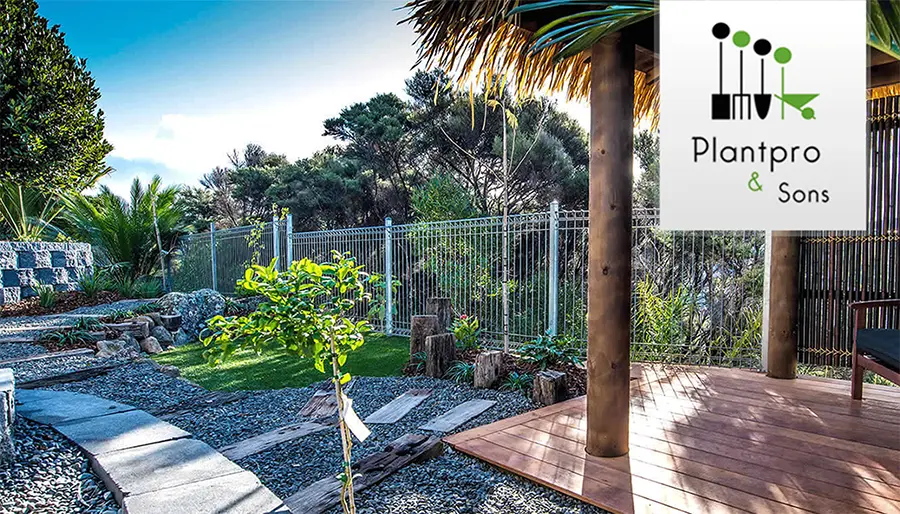
Choose the Business + SEO package to List your Landscaping Company here
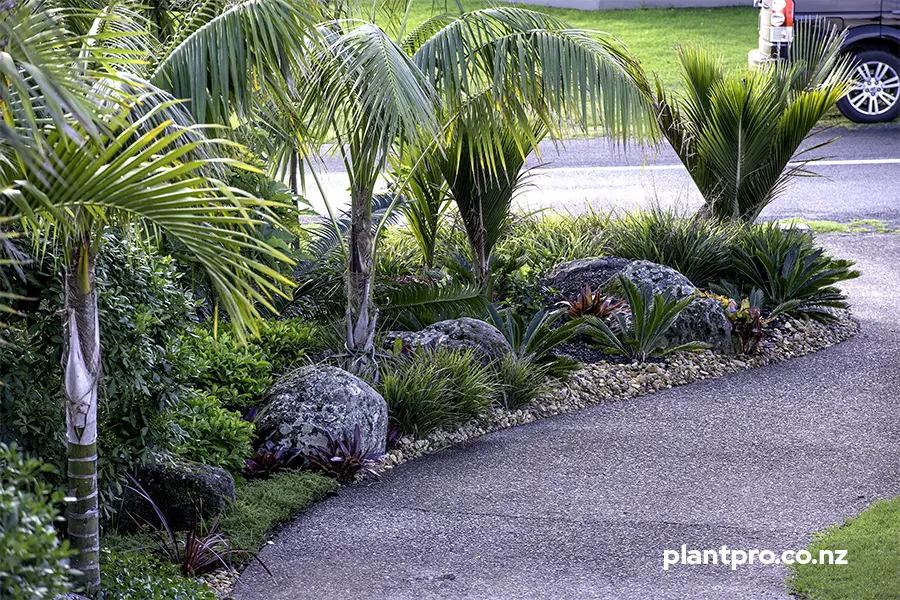
A well-designed and maintained outdoor space can transform your property, adding value, creating usable living areas, and simply making your home more enjoyable. But landscaping is more than just planting a few shrubs or laying some paving. It requires knowledge of plants suited to our climate, understanding of drainage and soil conditions, practical construction skills, and an eye for design. Finding the right landscaping company in Whangārei makes all the difference between a garden you’re proud of and one that becomes a maintenance headache or doesn’t quite work as you’d hoped.
What Does a Landscaping Company Do?
Landscaping companies offer a range of services, from design through to construction and ongoing maintenance. Some specialise in certain areas, while others provide comprehensive services. Common landscaping services include landscape design and planning, hard landscaping (paving, retaining walls, decks, paths, driveways, outdoor structures), soft landscaping (planting, lawns, garden beds, mulching), irrigation systems, drainage solutions, outdoor lighting, fencing and gates, water features and ponds, swimming pool surrounds, garden maintenance, hedge trimming, and land clearing.
The best companies work with you to understand what you want from your outdoor space, consider the practical aspects like sun, drainage, and soil quality, and create something that suits both your vision and your budget.
Qualifications and Training
In New Zealand, formal qualifications for landscaping include the New Zealand Certificate in Horticulture at Level 3 with a strand in Landscape Construction, and the New Zealand Certificate in Horticulture Services at Level 4 with strands in Landscape Design or Landscape Construction. Level 3 covers practical landscaping skills including planting, paving, building retaining walls, and basic project work. Level 4 is more advanced, covering design principles, project management, and supervision.
While not all good landscapers have formal qualifications (many learn through extensive on-the-job experience), qualifications do indicate someone has been trained in proper techniques, understands plant biology and soil science, and knows how to work safely. Ask potential landscapers about their training and experience.
Membership in professional organisations like the Landscape Industries Association isn’t universal in New Zealand, but it can be a good sign that a company is committed to professional standards and ongoing development.
Insurance and Liability Protection
Any landscaping company you hire must have comprehensive insurance. This protects both you and them if something goes wrong. At minimum, a professional landscaping company should have public liability insurance of at least $2 million. This covers damage to your property or neighbouring properties, injury to people, and other accidents that might occur during the work.
If the company has employees, they must have ACC cover for those employees. This is a legal requirement in New Zealand. Ask for proof of insurance and ACC registration before work begins. A professional company will provide this without hesitation.
Some larger companies may also carry contractors’ insurance that covers their equipment and tools, and professional indemnity insurance if they provide design services. While these aren’t essential, they show a company is well-established and takes their business seriously.
Design Capability
If you need more than basic garden maintenance or straightforward construction work, design capability matters. A good landscape designer considers sun and shade patterns throughout the day and seasons, drainage and how water moves through the property, soil types and what will grow well, wind exposure, privacy and screening, how you want to use the space, maintenance requirements, and your budget.
Some companies have in-house designers, while others work with landscape architects or designers on a contract basis. Either approach can work well. What matters is that the designer takes time to understand your needs, visits the site to assess conditions, and produces a design that’s both beautiful and practical.
For simple projects, you might not need formal design plans. But for complex work involving multiple elements, retaining walls, drainage, or significant planting, having proper plans helps ensure everything works together and meets any necessary building consent requirements.
Understanding Northland Conditions
Landscaping in Whangārei and Northland requires specific knowledge. Our subtropical climate means:
High rainfall and humidity – Good drainage is essential. Plants prone to fungal diseases can struggle. Outdoor timber needs proper treatment and maintenance.
Warm temperatures – A wider range of plants will thrive here than in cooler parts of New Zealand, including subtropical and even some tropical species. But summer heat stress can affect some plants, especially newly planted ones.
Clay soils – Common in many Whangārei properties, clay has poor drainage but can be improved with proper preparation. A landscaper familiar with local conditions knows how to work with clay soil.
Coastal influences – Salt-laden winds affect coastal properties from Whangārei Heads to Tūtūkākā, Ngunguru to Pataua. Plant selection needs to account for salt tolerance. Metal structures and fittings need careful specification to avoid corrosion.
Intense UV – New Zealand’s high UV levels mean exposed timber, decks, and fences need proper protection. Some plants may need partial shade during the hottest part of the day.
A local landscaping company with experience in Northland understands these conditions and knows which plants, materials, and construction methods work best here.
Hard Landscaping Skills
Hard landscaping includes all the built elements of your outdoor space. This requires different skills from soft landscaping. Look for companies with demonstrated experience in:
Paving and paths – Proper base preparation is critical. Inadequate compaction or drainage leads to sinking, cracking, or movement. The finished surface should be level (or properly graded for drainage) with tight, even joints.
Retaining walls – These require engineering knowledge, especially for walls over 1.5m (5 feet) high. Poor drainage behind retaining walls causes failure. Building consent may be required depending on height and location. A good landscaper knows when to involve a structural engineer.
Decking – Building a deck that will last in Northland’s climate requires proper timber selection or composite materials, correct fixing and spacing, adequate ventilation underneath, and proper waterproofing where the deck joins the house.
Fencing – Different fence types suit different purposes. A landscaper should be able to build or arrange various fence styles to the required standard.
Outdoor structures – Pergolas, gazebos, and shade structures need to be built to withstand our winds and weather. Council consent may be required for some structures.
Poor hard landscaping can be expensive to fix. It’s worth hiring someone with proven skills in construction work.
Soft Landscaping Knowledge
Soft landscaping is about the living elements: plants, lawns, and gardens. A knowledgeable landscaper understands which plants will thrive in your specific conditions, how plants will grow and change over time, appropriate spacing for mature plant size, when to plant for best establishment, soil preparation and improvement, irrigation needs, pest and disease issues common in Northland, and native plant species and their growing requirements.
Some landscapers are better with hard landscaping than plants, and vice versa. If your project involves significant planting, make sure the company has strong horticultural knowledge, not just construction skills.
Project Management and Communication
Good project management makes the difference between a smooth, enjoyable project and a stressful experience. Look for companies that provide clear, detailed written quotes, realistic timelines, regular communication about progress, coordination of any required consents or engineering, management of subcontractors if needed, proper site management and clean up, and prompt response to questions or concerns.
Poor communication causes most customer dissatisfaction with contractors. A company that returns calls, keeps you informed, and addresses issues promptly is worth their weight in gold.
Getting Quotes and Comparing Services
For any significant landscaping work, get at least three quotes. This helps you understand the market rate and compare different approaches.
A detailed quote should include description of all work to be done, materials specified (type, quality, quantities), timeline for completion, payment schedule, what’s included in the price, what’s excluded, warranties on workmanship and materials, clean up and waste removal, and any ongoing maintenance advice.
Be wary of vague quotes with little detail. You want to know exactly what you’re getting for your money. Similarly, extremely low quotes compared to others might mean the company is cutting corners on materials, preparation, or doesn’t fully understand the scope of work.
Price isn’t everything. Consider also the company’s experience with similar projects, their communication and professionalism, references from past clients, insurance coverage, design capability if needed, and your comfort level working with them.
Questions to Ask Potential Landscaping Companies
Before hiring anyone, ask:
- How long have you been in business?
- What are your qualifications and training?
- Do you have public liability insurance? Can I see proof?
- Are you registered for ACC if you have employees?
- Have you done similar projects to mine?
- Can you provide references from recent clients?
- Will you handle all aspects of the project or use subcontractors?
- Who will be managing the day-to-day work?
- How do you handle changes to the scope of work?
- What happens if there are delays due to weather or other issues?
- Do you provide any warranty on your work? For how long?
- Will you obtain any necessary consents or is that my responsibility?
- What’s your payment schedule?
- How do you leave the site at the end of each day?
For design work, also ask to see examples of previous designs, whether design fees are separate or included in the quote, how many revisions are included, and whether you’ll receive formal plans you can use for consent if needed.
Whangarei District Council Requirements
Some landscaping work requires building consent from Whangarei District Council, including retaining walls over 1.5m (5 feet) high, decks over 1.5m (5 feet) above ground, structures like pergolas or gazebos, significant earthworks, and work that affects drainage or natural water courses.
A good landscaping company will know when consent is needed and can advise you on the process. Some will handle consent applications as part of their service, while others will leave this to you or recommend a building consultant.
Resource consent may also be required in some areas, particularly if work affects trees, water, or land that’s subject to overlays or protections. Check with the council before starting major work.
Red Flags to Watch For
Avoid landscaping companies that:
- Can’t provide proof of current insurance
- Pressure you to decide immediately, especially with “today only” discounts
- Ask for large upfront payments (more than 20-30% deposit is unusual)
- Can’t provide references or examples of previous work
- Are vague about timelines and what’s included
- Don’t put everything in writing
- Seem to lack knowledge about plants or construction techniques
- Don’t discuss site conditions like drainage or soil quality
- Promise results that seem unrealistic
Also be cautious of landscapers who suggest unnecessary work or push you toward expensive options when simpler solutions would work just as well.
Checking References and Past Work
Always ask for references and actually contact them. Questions to ask previous clients:
- Were you happy with the finished result?
- Did the project stay on budget?
- Was it completed on time?
- How was communication during the project?
- Were there any problems? How were they handled?
- Was the site kept tidy?
- How has the landscaping held up over time?
- Would you hire them again?
If possible, visit sites the company has completed, especially if they’re a few years old. This shows how the work has weathered and whether plants have established well.
The Design Process
For projects requiring design, the process typically includes:
- Initial consultation – The designer visits your property, discusses your needs and vision, assesses site conditions, takes measurements and photos
- Concept design – First draft showing overall layout and major elements. This is usually quite preliminary
- Revised design – Based on your feedback, the designer develops the concept further with more detail
- Final design – Complete plans showing all elements, plant specifications, materials, and any technical details
- Quote and timeline – Detailed pricing based on the final design
Design fees vary but might be $500-$2000+ depending on the project’s complexity and size. Some companies offer a free initial consultation and concept, then charge if you want detailed plans. Others charge from the beginning. Both approaches are legitimate.
Understanding Contracts
For significant projects, you should have a written contract. This protects both you and the landscaping company. A good contract includes detailed scope of work, materials and specifications, timeline with start and completion dates, payment schedule, warranties, what happens if there are changes or delays, insurance details, responsibility for obtaining consents, and clean up and site restoration.
Read the contract carefully before signing. If anything is unclear, ask for clarification. Don’t be pressured to sign something you don’t fully understand.
What Good Landscaping Work Looks Like
When the work is complete, you should see:
- Level, stable paving with proper drainage and no movement
- Straight, secure retaining walls with adequate drainage behind them
- Well-prepared planting beds with good soil and proper plant spacing
- Healthy, well-established plants appropriate to the location
- Neat, even lawns with good coverage (if instant lawn) or germination (if seeded)
- Solid, well-constructed fences, decks, or structures
- Proper finishing details like edging, mulch, and clean lines
- Tidy site with all waste removed
- No damage to existing structures, plants, or services
Quality workmanship is obvious. Corners cut during construction become problems later.
Maintenance Considerations
Different landscaping styles require different levels of maintenance. An honest landscaping company will discuss this upfront so you know what you’re committing to. Low-maintenance landscaping typically uses hardy, appropriate plants, mulch to suppress weeds, automated irrigation, larger plant spacing, and hard surfaces rather than large lawn areas. High-maintenance landscaping might include extensive lawns, formal hedges and topiary, annual flowers requiring replanting, pristine edges and borders, and high-density planting.
Neither approach is wrong, but you need to be realistic about how much time and money you want to spend on maintenance. A good landscaper will design to your maintenance commitment, not their ideal garden.
Many landscaping companies also offer maintenance services, which can be helpful if you want professional care but don’t have the time or inclination yourself.
Sustainable and Eco-Friendly Options
More people are interested in sustainable landscaping. This might include using native plants that support local birds and insects, water-wise plants and efficient irrigation, permeable paving to reduce runoff, composting and mulching, avoiding chemical pesticides and fertilisers, using recycled or locally-sourced materials, and designing for food production with fruit trees, vegetables, and herbs.
Some landscaping companies specialise in sustainable approaches, while others incorporate these elements on request. If this is important to you, discuss it early in the planning process.
Swimming Pool and Spa Surrounds
Landscaping around pools and spas has specific requirements. Plants need to tolerate chlorinated water splash, avoid dropping leaves or flowers into the pool, provide shade without dropping branches, and not have invasive roots that could damage pool structures. Hard landscaping needs to be non-slip when wet, handle wet conditions without deterioration, provide adequate drainage, and meet council requirements for pool fencing and safety.
If your project includes a pool or spa, make sure the landscaping company has experience with these specific requirements.
Costs and Budgeting
Landscaping costs vary enormously depending on site conditions, materials chosen, complexity of work, and size of the project. As a very rough guide, basic lawn and simple garden beds might cost $50-100 per square metre, paving and hard landscaping $150-400+ per square metre, comprehensive landscaping with multiple elements $200-500+ per square metre, and high-end landscapes with pool, extensive paving, structures $500-1000+ per square metre.
These are indicative only. Get detailed quotes for your specific project. Also budget for ongoing maintenance, which might be $50-150+ per visit for professional services, depending on the size of your property and what’s required.
Making Your Decision
After gathering quotes and information, choose a landscaping company that communicates clearly and professionally, demonstrates knowledge of local conditions, has relevant experience and skills, provides detailed, transparent quotes, carries appropriate insurance, comes recommended by others, shows creativity and problem-solving in their approach, and makes you feel confident in their abilities.
Trust your instincts. You’re going to work closely with this company for weeks or months. Choose someone you feel comfortable with and who understands your vision for your outdoor space.
Enjoying Your New Landscape
Once the work is complete, enjoy your transformed outdoor space. Follow any care instructions for new plants or lawns, keep up with agreed maintenance, address any warranty issues promptly if they arise, and consider having the landscaping company back for seasonal maintenance or future projects.
A well-designed and constructed landscape should give you years of pleasure and increase your property’s value. Taking the time to find the right landscaping company is an investment that pays off every time you step outside.


Leave a Reply
You must be logged in to post a comment.