Profile
For two days each November, Northland’s gravel roads become a motorsport battleground. The International Rally of Whangārei, often serving as the final round of the New Zealand Rally Championship (NZRC), brings the country’s best rally drivers and their teams to tackle some of the most challenging and scenic rally stages in New Zealand. Over 280 kilometers of competitive driving through closed gravel roads in Whangārei and Kaipara districts tests driver skill, navigator precision, team preparation and car reliability in one of the Southern Hemisphere’s most respected rally events.
Started in 2007 to replace the International Rally of Rotorua as New Zealand’s round of the Asia Pacific Rally Championship, the event has evolved into a cornerstone of the national championship calendar. The rally attracts top New Zealand competitors driving high-performance Rally2 cars, along with entries from international drivers and a field of historic, classic and modified production vehicles competing in various championship classes. For motorsport enthusiasts, it’s unmissable. For casual spectators, it’s an introduction to a sport that combines speed, precision and bravery in equal measure.
The event base operates from Whangārei, with stages spreading north, south and west across varied terrain. Tight, technical forest sections demand precise car control. Fast, flowing farmland stages reward courage and commitment. Coastal roads provide spectacular backdrops. The diversity challenges competitors while keeping spectators engaged as the rally unfolds across multiple locations and stage types.
The Competition Format
Rally competition differs fundamentally from circuit racing. Instead of multiple cars competing simultaneously on a loop, rally cars race individually against the clock through closed public roads transformed into timed special stages. Competitors start at intervals, typically one or two minutes apart, attacking each stage as fast as possible while navigators read pace notes describing upcoming corners, crests and hazards.
The International Rally of Whangārei typically runs Friday evening through Sunday afternoon. Friday features a ceremonial start in downtown Whangārei, where cars parade through the city center and crews acknowledge crowds before the competition begins. The Pohe Island Super Special Stage often runs Friday evening, a short spectator-friendly stage on sealed surfaces near the Town Basin where fans can watch cars racing in close succession.
Saturday brings the bulk of competitive kilometers, with multiple stages run in the morning, a midday service break where teams work on cars, then afternoon stages often repeating morning routes. Sunday continues with fresh stages or second passes of Saturday routes, building to the final power stage where bonus championship points reward the fastest times. The event concludes with podium celebrations in central Whangārei.
Stage lengths vary from short technical tests of a few kilometers to long endurance stages exceeding 20 kilometers. The variety tests different skills. Short stages demand instant pace without time to settle into rhythm. Long stages require sustained concentration and stamina as fatigue builds across dozens of high-speed corners. The total competitive distance exceeds 280 kilometers, making it the longest Whangārei rally in recent years.
The Route and Stages
Rally routes change year to year as organizers seek new challenges and give overused roads a rest. Recent editions have incorporated roads around Dargaville and Ruawai in Kaipara District, bringing rally to communities that haven’t hosted stages in years. Iconic stages from Rally New Zealand’s past return, reconnecting the event with Northland’s rich rally history.
Stages in the Far North utilize tight, technical forest roads where visibility is limited and unforgiving native bush lines the track. These demand absolute precision, as mistakes mean hitting trees or sliding into ditches. The narrow roads test drivers’ ability to maintain commitment despite claustrophobic conditions.
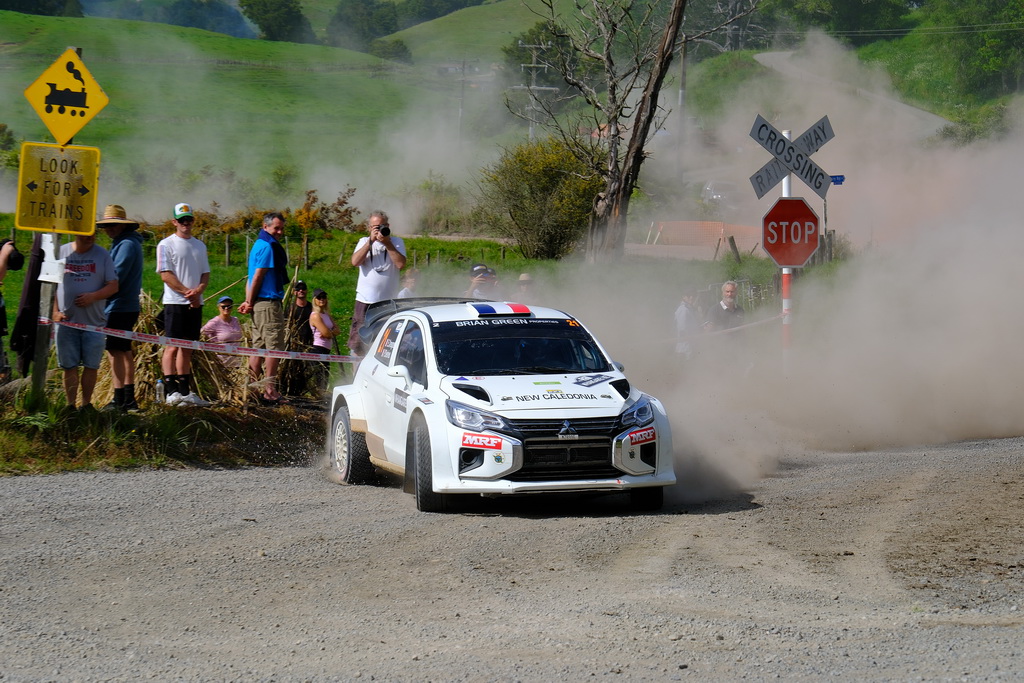
Kaipara stages around Dargaville bring different challenges. Wide, fast gravel highways reward bravery and car speed. The flowing nature allows higher average speeds but punishes mistakes severely. Corners that seem gentle at 80 km/h become terrifying at 150 km/h when the gravel gets loose and the car starts sliding.
Stages east toward Paparoa add technical complexity with elevation changes, off-camber corners and surface variations. These mixed-character stages separate truly skilled drivers from those who excel only in specific conditions. Consistency across all stage types determines overall rally results.
The coastal scenery provides dramatic backdrops. Spectators watching stages near Whangārei Heads or the Kaipara coastline combine motorsport excitement with stunning natural beauty. The visual appeal makes rally accessible to people who might not consider themselves motorsport fans but appreciate the spectacle.
Spectating the Rally
Rally spectating is free and accessible, though requires more effort than turning up at a circuit. Spectator points are designated safe locations along stages where fans can watch cars pass. Rally organizers publish spectator guides showing stage routes, recommended viewing spots and access information. Some locations offer views of multiple corners, letting you watch different driving styles through the same section.
Arriving early secures the best spots, particularly at popular locations. Bring camp chairs, food, water and sun protection for potentially hours of waiting between cars passing. The intervals mean extended periods between action, but experienced spectators appreciate the chance to discuss what they’ve seen and anticipate different approaches to the same corners.
Hearing rally cars approach from hundreds of meters away creates anticipation. The distinctive engine note builds. Then the car appears, sideways through the corner, gravel spraying, suspension working furiously, driver and navigator clearly visible through windows as they hurtle past at speeds that seem impossible on loose gravel. The experience is visceral, loud and thrilling in ways television can’t capture.
The Pohe Island Super Special Stage provides the most accessible spectating. Located near the Town Basin in central Whangārei, it draws large crowds Friday evening. The short sealed stage lets spectators see multiple cars in quick succession, comparing different vehicles and driving styles without the waiting periods of remote gravel stages.
Safety is paramount. Spectators must stay in designated areas. Rally cars can lose control or leave the road. Standing in prohibited locations risks serious injury or death. Marshals enforce spectator restrictions firmly. Following instructions ensures everyone enjoys the event safely.
Service Parks and Parc Fermé
Between stages, rally cars return to designated service parks where teams work frantically to prepare vehicles for the next loop. Watching service operations provides insight into rally’s team sport nature. Mechanics change wheels and tires, adjust suspension settings, repair damage, refuel and perform countless small tasks in precisely allocated time periods, typically 15 to 30 minutes.
The efficiency is remarkable. Four people change wheels, check for damage, clean windscreens and send the car back out in minutes. For major repairs, teams work urgently against service time limits, sometimes completing jobs that would take hours in normal workshops within allocated service windows. The pressure is intense, as mistakes or delays directly impact competitive performance.
Service parks welcome spectators. Walking among team trucks and watching crews work provides access impossible in most motorsport. Teams appreciate interest while maintaining focus on tasks. The informal atmosphere lets fans observe professional motorsport operations up close.
Parc Fermé (French for “closed park”) operates overnight and at the rally end. Cars must remain untouched in secure storage, preventing teams from working outside permitted service times. Scrutineers check compliance with technical regulations. These controls ensure fair competition and prevent teams gaining unfair advantages through excessive modifications or repairs outside service windows.
The Championship Context
The rally often serves as the NZRC season finale, creating dramatic championship showdowns. Points leaders face pressure to secure results while challengers push maximum risk hoping for wins that might overturn points deficits. The final-round tension elevates the event beyond just another rally into potential championship decider.
Various classes within the championship create multiple competitions running simultaneously. The overall championship for top-spec Rally2 cars gets most attention. But 2WD championships, historic categories and various production-based classes all contest their own titles. Some drivers focus on class wins rather than outright performance, creating diverse competition across the entry list.
Bonus points for the power stage add tactical dimensions. Teams must balance securing overall results with pursuing power stage points that could prove crucial for championship outcomes. This creates aggressive final stages where championship contenders push absolute limits despite having otherwise conservative rallies.
The live streaming and television coverage through CRC Motorsport brings the event to wider audiences beyond trackside spectators. Cameras mounted in cars, stage-side cameras and helicopter footage capture the action for broadcast, significantly expanding the rally’s reach and profile.
Economic and Tourism Impact
The rally brings substantial economic benefits to hosting regions. Thousands of spectators travel to Northland for the weekend, filling accommodation, dining at restaurants, shopping at local businesses and purchasing fuel and supplies. Teams and crews book accommodation, hire vehicles, use local services and spend days in the region before and after the event.
Media coverage showcases Northland’s landscapes to national and international audiences. Spectacular stage footage highlights the region’s forests, coastlines and rural beauty, providing tourism promotion that money can’t buy. Rally fans discovering the region often return for holidays, extending economic benefits beyond event weekends.
The volunteer opportunities create community engagement and fundraising potential. Local sports clubs, schools and community groups marshal stages in exchange for donations to their organizations. This volunteer model staffs the event while distributing economic benefit directly into community groups.
The council support from Whangārei District Council and Kaipara District Council reflects recognition of these benefits. Without council cooperation providing road access, the rally couldn’t operate. The partnership demonstrates how major events can align community, economic and sporting interests.
Volunteer Involvement
Running the rally requires hundreds of volunteers. Stage marshals positioned along each stage ensure spectator safety, monitor for incidents and provide immediate response if cars leave the road. Radio controllers coordinate communications. Timekeepers record stage results. First responders provide medical support. Officials scrutinize vehicles and adjudicate disputes.
The event portal at volunteers.rallynewzealand.com coordinates volunteer recruitment. Community groups taking responsibility for entire stages receive donations, turning volunteer work into fundraising opportunities. This model has proven successful, with schools, sports clubs and service organizations returning year after year.
Volunteering provides close access to professional motorsport. Marshals watch cars pass their positions all day. Radio controllers follow the entire rally progression. Officials interact directly with competitors and teams. The experience attracts motorsport enthusiasts who want involvement beyond spectating.
The safety training and certification required for rally marshalling develops transferable skills. Understanding emergency response, communication protocols and incident management has applications beyond motorsport. Some volunteers leverage rally experience into employment with emergency services or event management companies.
The Rally Community
Rally fosters tight-knit communities around shared passion. Competitors who battle fiercely on stages socialize in service parks. Teams share parts and advice when cars break. Spectators discuss the sport with depth and nuance that comes from sustained engagement. This camaraderie distinguishes rally from more commercially focused motorsports.
The accessibility creates connections between fans and competitors. Rally drivers are approachable. They chat with spectators, sign autographs and explain technical details. This openness builds loyal followings and makes the sport feel inclusive rather than exclusive.
The historic and classic vehicle entries connect contemporary rally with its heritage. Seeing Escorts, Porsches and other classic rally cars competing alongside modern machinery provides living history lessons. Older competitors share stories of earlier rally eras while young drivers represent the sport’s future. The intergenerational mix enriches the community.
Social media extends community beyond event weekends. Rally enthusiasts share photos, debate performances and maintain connections year-round. The engaged fanbase ensures rallies remain viable despite the significant costs and organizational challenges involved.
Planning Your Rally Experience
For spectators, preparation enhances the experience. Study the route map and identify stages you want to watch. Consider stage character when choosing locations. Technical forest stages showcase car control. Fast stages display raw speed. Longer stages test endurance as cars pass with battle damage accumulated over hundreds of competitive kilometers.
Transportation to spectator points requires planning. Some locations are accessible by conventional vehicles. Others require four-wheel drive or significant walking. Carpooling helps, as parking at popular spots fills quickly. Arriving early ensures access before roads close for the rally.
Appropriate clothing and supplies matter. Northland November weather varies from hot sun to cool rain. Layers, waterproofs and sun protection cover contingencies. Bringing food and water prevents leaving great spectator spots to find refreshments. Comfortable footwear suits potentially uneven terrain at viewing points.
Hearing protection helps at close spectator points. Rally cars are loud, and extended exposure can damage hearing. Earplugs allow enjoying the experience without risking hearing damage, particularly important for children.
Following live timing online or through rally apps lets you track overall positions between physical sightings. Understanding stage times, penalties and retirements provides context for what you’re watching and makes the competition progression clearer.
Experience Rally in Northland
The International Rally of Whangārei offers unmatched motorsport spectacle in stunning settings. The combination of world-class competition, accessible spectating, free entry and Northland’s natural beauty creates an event that works for dedicated rally fans and curious newcomers alike. The two-day format allows deep engagement or casual attendance, accommodating different levels of interest and commitment.
For motorsport enthusiasts, the rally delivers top-tier national championship competition with potential international entries. For families, it provides unique entertainment and education about a sport requiring teamwork, precision and bravery. For the community, it demonstrates Northland’s capacity to host major sporting events while delivering economic benefits across the region.
Whether watching from designated spectator points, experiencing the atmosphere in service parks, attending the ceremonial start in downtown Whangārei or following the action through live timing and social media, the rally provides numerous ways to participate. The accessibility and community atmosphere ensure everyone feels welcome regardless of motorsport knowledge or previous rally experience.
For event dates, stage maps, spectator information and volunteer opportunities, visit www.rallywhangarei.co.nz or follow the International Rally of Whangārei on social media.
Map
Sorry, no records were found. Please adjust your search criteria and try again.
Sorry, unable to load the Maps API.