Profile
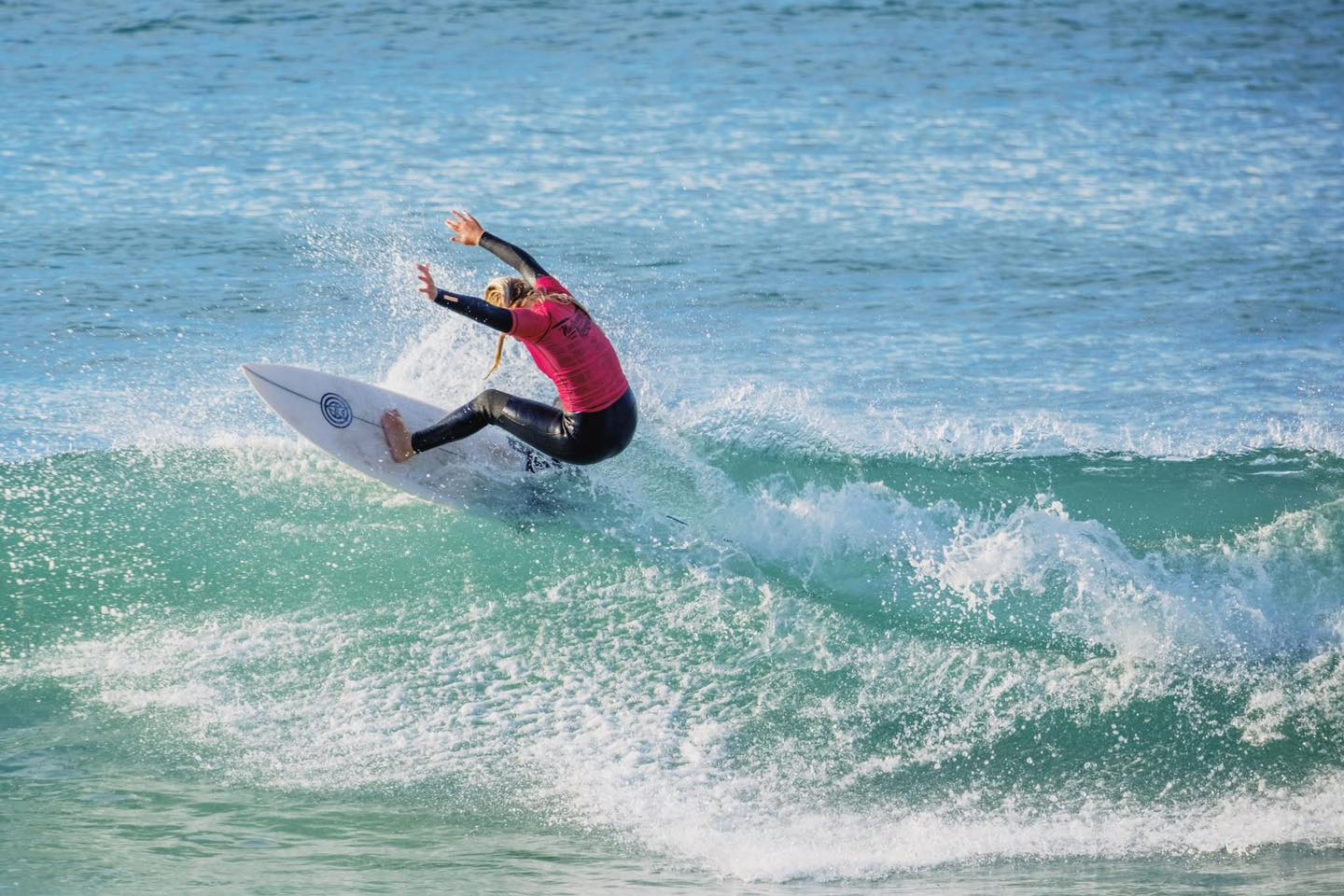
Every August for over 40 years, surfers have gathered at Sandy Bay for the Polar Bear Surf Classic. The name captures the spirit perfectly. Winter surfing in Northland requires commitment. Water temperatures drop. Mornings are cold. But the waves are often excellent and the competition fierce. For many Northland surfers, getting their name on the Polar Bear trophy represents a career highlight, validation of skill and dedication to a sport that demands both.
Organized by North Coast Boardriders (NCB), the event typically draws around 70 competitors across multiple divisions. Micro-groms (under 10s) paddle out alongside competitors in their 60s. Longboarders share the lineup with shortboard specialists. Open men and women compete for $1,000 first prizes, while other divisions battle for their own honors and prize money. The two-day weekend format allows heats to run efficiently while giving competitors multiple opportunities to show their best surfing.
Sandy Bay, locally known as The Scunge Pit due to summer algae in the water, transforms in winter into clean, user-friendly surf. The bay catches swell consistently, creating waves that work for all skill levels. The protected location means conditions rarely become unmanageable, though August can deliver anything from small clean waves to solid winter swell. Competition directors monitor forecasts closely, choosing the weekend when conditions look most favorable within the holding period.
A Competition Legacy
The Polar Bear Surf Classic dates back to the early 1980s, making it one of the oldest continuous surf competitions in New Zealand. Over four decades, it’s built a reputation that extends well beyond Northland. Surfers from across the country travel to compete, recognizing the event’s prestige and the genuine community spirit that makes it special. Winning the Polar Bear means something. Your name joins a list of champions spanning generations.
The longevity speaks to dedicated organization by North Coast Boardriders and consistent community support. Surf competitions require significant volunteer effort, sponsor backing and competitor enthusiasm. That the Polar Bear has run annually for over 40 years demonstrates all three elements aligning reliably. Even Covid disruptions only delayed rather than cancelled the event, with organizers finding safe ways to continue the tradition.
Past winners include Eli Jacobs, who dominated the open men’s division multiple years and donated his $1,000 prize money back to NCB’s youth development fund, embodying the community-focused spirit that defines the event. John Gisby has won the masters division repeatedly, demonstrating how skill and wave knowledge can compensate for aging bodies. Alice Westerkamp shone in open women’s competition, showcasing the depth of female surfing talent in Northland.
The competition serves as important development pathway for young surfers. Success at the Polar Bear can lead to regional and national recognition. For aspiring professionals, it’s a stepping stone toward higher-level competitions. For recreational surfers, it’s simply a chance to test themselves against peers in a supportive environment.
Competition Divisions
The Polar Bear welcomes all ages and skill levels through carefully structured divisions. Micro-groms (under 10) represent the youngest competitors, many participating in their first organized surf event. These kids are learning contest strategy while still mastering basic surfing skills. Watching them navigate heat structures, priority rules and judges’ scoring teaches valuable lessons beyond just riding waves.
Junior divisions (typically 12 and under, 14 and under, 16 and under, 18 and under) provide age-appropriate competition as skills develop. Young surfers progress through divisions as they grow, building experience and confidence. The structured pathway keeps them engaged in competitive surfing while ensuring fair matchups against similar-aged opponents.
Open men’s and open women’s divisions showcase the highest performance levels, with the best surfers regardless of age competing for the top prizes. These heats feature aggressive surfing, advanced maneuvers and strategic heat management. The $1,000 first prizes (typically sponsored by major sponsors like Mammoth Modern Insulation, Oasis Surf or Schnappa Rock) add financial incentive to complement competitive pride.
Longboard divisions celebrate a different surfing style. Traditional longboarding emphasizes flow, grace and connection with the wave rather than explosive maneuvers. Competitors range from teenagers to retirees, united by their love of single-fin gliding and nose rides. Some surfers compete in both shortboard and longboard divisions, demonstrating versatility.
Masters divisions (typically 35+, sometimes 45+) give older surfers their own competition arena. Age brings experience and wave knowledge that can compensate for reduced physical performance. Masters heats often feature former open division champions who’ve aged into the category, creating consistently high-quality surfing.
The Sandy Bay Setting
Understanding the Polar Bear requires understanding Sandy Bay. This beach, about 30 minutes northeast of Whangārei on the Tutukaka Coast, offers reliable surf in a stunning setting. The bay faces northeast, catching most swells that travel down from the tropics or across the Tasman. The relatively protected position means it rarely closes out, even when larger swells shut down more exposed breaks.
The waves at Sandy Bay are described as user-friendly. They’re not the most powerful or hollow waves in Northland, but they’re consistent and forgiving. Competitors can actually surf rather than just surviving conditions. The predictable nature allows judges to assess surfing ability rather than wave selection luck. For a competition venue, these characteristics matter enormously.
Summer’s algae problem disappears in winter, leaving clean water and good visibility. The colder temperatures (around 15-16°C) require wetsuits but aren’t prohibitively cold. Most competitors wear 3/2mm spring suits or full 4/3mm wetsuits depending on personal cold tolerance and heat durations in the water.
The beach community supports the event enthusiastically. Local residents attend as spectators. Schnappa Rock, the iconic restaurant and bar at Tutukaka, has sponsored multiple years. Tutukaka Surf Company provides consistent backing. This local business support ensures the event can offer substantial prize money and quality organization.
Event Weekend Experience
Competition weekends typically run Saturday and Sunday, with first heats starting around 8am or 9am. Surfers check in, receive colored competition vests and learn their heat draws. The first competitors paddle out while others watch from the beach, analyzing conditions and observing competitors they might face in later rounds.
Heat durations vary by division but typically run 15-20 minutes. Each surfer aims to catch their best waves, with judges scoring on criteria including degree of difficulty, innovation, variety and combinations of major maneuvers. The highest two or four wave scores count, depending on heat format. Top scorers advance while others are eliminated or drop to consolation rounds.
Between heats, competitors free surf, socialize and watch other divisions. The atmosphere balances competition seriousness with camaraderie. These people surf together throughout the year. They know each other’s strengths and styles. The competition provides focus and structure to friendly rivalries and mutual respect.
Spectators gather on the beach and headlands, watching heats while enjoying winter sun. Families support young competitors. Friends cheer from shore. Photography opportunities abound, with local media and surf photographers capturing action. The visual setting of Sandy Bay’s bush-clad headlands, clean winter water and surfers dropping into waves creates images that define Northland surfing.
Awards ceremonies typically happen after final heats conclude on Sunday. Winners receive trophies, prize money and sponsor products. Special mentions recognize notable performances, sportsmanship or longevity. The community celebration aspect matters as much as competitive results.
Sponsor Support
The Polar Bear relies on sponsor backing to provide prize money, trophies and event infrastructure. Major sponsors have included Mammoth Modern Insulation, Oasis Surf, Schnappa Rock and various surf industry brands. These businesses understand that supporting grassroots surf competitions builds community goodwill while connecting them to the surfing demographic.
Oasis Surf’s sponsorship in 2023 carried special meaning, honoring founder Derek Vujcich who passed away before seeing his first year of surf shop ownership complete. His wife Rachelle continued supporting the event, ensuring Derek’s legacy lived on through the Polar Bear. These personal connections between sponsors and community create depth beyond typical commercial relationships.
Local businesses contribute through product sponsorship, providing wetsuits, surfboards, wax, sunglasses, clothing and other prizes that fill out the prize pool beyond cash awards. Spooked Kooks, Mega Surf, Sexwax, Insight Tattoo, Carve Sunglasses, Coastal Construction, Dawny Adventure Club and Tawapou Coastal Natives have all supported the event, demonstrating broad business community investment.
North Coast Boardriders reinvests sponsor support and entry fees into running quality events, maintaining equipment and developing youth surfing programmes. The model sustains itself through careful financial management and community support, ensuring the Polar Bear can continue for another 40 years.
Navigating Postponements
Like all surf competitions, the Polar Bear faces scheduling challenges. Surf forecasts become accurate only days in advance. Organizers must balance holding the event when conditions are optimal against practical considerations like venue availability and competitor schedules. Sometimes the originally planned weekend doesn’t deliver waves, requiring postponement.
The 2020 event demonstrated these challenges dramatically. Poor swell forecasts, Covid-19 restrictions and clashes with other surf competitions forced multiple postponements, pushing the Polar Bear from August into October. Despite the delays and the fairly small surf when it finally ran, the event succeeded with 70 entrants and quality competition. The patience and flexibility required from all involved showed the deep commitment to maintaining the tradition.
Modern communications help. Social media and email allow organizers to update competitors quickly about postponements and new dates. The surfing community understands these realities and adapts. It’s frustrating but accepted as part of organizing events dependent on natural conditions beyond anyone’s control.
Youth Development
The Polar Bear serves important youth development functions beyond just providing competition. North Coast Boardriders uses the event and its fundraising capacity to support young surfers through equipment subsidies, coaching and access to higher-level competitions. Donations like Eli Jacobs’ prize money returns directly fund these programmes.
Young surfers learn more than just competition skills. They develop organizational abilities through helping run events. They understand the volunteer effort required to sustain community activities. They build relationships with older surfers who mentor informally through example and conversation. The intergenerational mixing at Polar Bear events creates knowledge transfer that formal coaching can’t replicate.
For young women in particular, seeing female role models competing and succeeding matters enormously. The open women’s division showcases the skill and commitment of female surfers, challenging outdated stereotypes about who belongs in the water. Young girls watching Alice Westerkamp or other women ripping waves understand that surfing welcomes them fully.
Experience the Polar Bear
The Polar Bear Surf Classic offers something different depending on your relationship with surfing. For competitors, it’s a chance to test skills against quality opposition in one of Northland’s longest-running events. For spectators, it’s free entertainment watching talented surfers in a beautiful setting. For the community, it’s annual tradition that brings people together and celebrates surfing culture.
Spectating requires no special access or tickets. Show up at Sandy Bay during competition days and watch from the beach. Parking is available along McAuslin Road. Bring warm clothing for winter weather, sun protection for clear days and something to sit on. The relaxed atmosphere welcomes everyone.
The event usually happens mid to late August, though exact dates depend on swell forecasts and are confirmed closer to the time. Following North Coast Boardriders on social media provides updates on dates, postponements and final results. The uncertainty around scheduling reflects the reality of surf competitions and adds slight adventure to planning attendance.
For surfers considering competing, entry is typically open to NCB members with memberships available at reasonable cost. Divisions accommodate all ages and abilities. The supportive atmosphere makes it accessible even for first-time competitors. The experience of structured surf competition, regardless of results, builds skills and confidence.
A Northland Tradition
The Polar Bear Surf Classic represents more than surf competition. It’s living tradition connecting generations of Northland surfers. Names on the trophy span decades. Families compete together, with parents who won divisions in the 1990s watching their children compete now. The continuity creates cultural depth that enriches the surfing community.
Sandy Bay remains the consistent venue, creating place-based identity for the event. Surfers associate the Polar Bear with that specific beach, that particular wave, those bush-covered headlands. The location becomes part of the story, shaping how people experience and remember the competition.
As the Polar Bear heads toward its 50th anniversary, the tradition seems secure. New sponsors emerge as older ones change. Young competitors develop into division winners. The core elements remain constant: winter surfing, community celebration and respect for the tradition that preceded today’s competitors.
For anyone interested in Northland surfing culture, experiencing the Polar Bear Surf Classic provides authentic insight. This is grassroots surfing at its best, organized by surfers for surfers, celebrating the sport while building community. The competition continues because people care enough to make it happen year after year, wave after wave, generation after generation.
For event updates, entry information and competition results, follow North Coast Boardriders on social media or check local surf shops along the Tutukaka Coast.
Map
Sorry, no records were found. Please adjust your search criteria and try again.
Sorry, unable to load the Maps API.