Profile
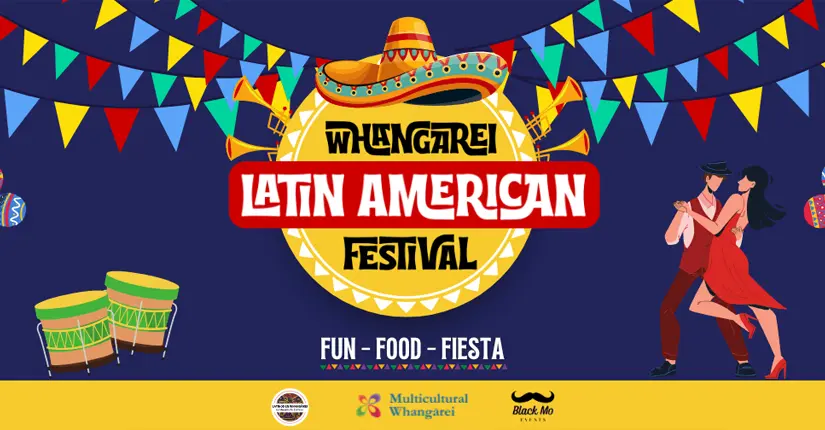
Each September, Forum North transforms. Latin rhythms fill the air. Bold colors dominate the decorations. The smell of empanadas and arepas drifts from food stalls. For one afternoon and evening, Whangārei’s Latin American community takes center stage, sharing music, dance, food and traditions representing some of the world’s most vibrant cultures. It’s exactly what you’d expect from a Latin celebration: loud, energetic, colorful and welcoming.
The festival emerged from Whangārei’s growing Latin American population. People from Mexico, Venezuela, Colombia, Argentina, Chile, Brazil, Peru and other nations have settled throughout the district over recent years. Some came as international students who stayed. Others arrived through skilled migration. Some are former refugees. Still others married New Zealanders and relocated here. The festival creates space where this community can celebrate their heritage while introducing the wider Whangārei population to cultures they might know little about.
Organized by Latinos en Whangārei with support from Multicultural Whangārei, Whangārei District Council and the Ethnic Communities Development Fund, the event runs from early afternoon into evening (roughly 2pm to 8pm). Entry costs $10 for adults, with children under 16 free. The alcohol-free, smoke-free and vape-free environment keeps it genuinely family-friendly despite the party vibe Latin celebrations are famous for.
Live Music and Dance
Music forms the festival’s beating heart. Multiple live performances throughout the day showcase different Latin musical traditions. Salsa bands bring Cuban rhythms. Tango musicians evoke Buenos Aires. Cumbia represents Colombian sounds. Bachata carries Dominican flavor. Mariachi groups deliver Mexican traditions. The variety demonstrates how diverse Latin America actually is, with each region contributing distinctive musical styles.
Local Latin musicians feature prominently, many playing in bands specifically for this festival. The growing Latin population includes professional musicians who’ve found work in various sectors but maintain their musical practice. The festival provides rare opportunity for them to perform their own cultural music for appreciative audiences rather than covering popular Anglo music at commercial venues.
Dance performances punctuate the music. Professional dance groups perform choreographed pieces. Community groups showcase folk dances from specific countries. Couples demonstrate ballroom styles like salsa, bachata or tango. The performances educate while entertaining, showing the technical skill and cultural depth behind dances often reduced to simplified club versions.
The festival usually includes dance lessons for audience members. Free classes teach basic salsa, bachata or other popular styles, inviting everyone to participate rather than just watch. These lessons break down the intimidation factor preventing people from trying Latin dancing. The relaxed instruction and patient teachers create safe environment for beginners attempting something new.
Food and Flavors
Food vendors selling traditional Latin American dishes provide authentic culinary experiences. The range spans the continent’s diversity. Mexican tacos and quesadillas. Venezuelan arepas. Argentinian empanadas. Chilean completos. Brazilian barbecue. Peruvian ceviche. Spanish churros. Each vendor represents specific national cuisine, allowing taste-based exploration of Latin America.
The food differs from typical restaurant adaptations. These are dishes made by people from those countries, using traditional techniques and authentic ingredients where possible. The spicing, preparation methods and presentations reflect home cooking and street food traditions rather than westernized versions designed for cautious palates. This authenticity matters both to Latin community members wanting tastes from home and curious diners seeking genuine cultural experiences.
Vegetarian and vegan options increasingly appear, reflecting dietary preferences within Latin communities and accommodating diverse festival attendees. Traditional Latin cuisines include substantial vegetarian dishes beyond meat-focused stereotypes, from plantain-based dishes to bean preparations to fresh ceviches using alternative proteins.
The communal eating atmosphere encourages trying multiple dishes and sharing. Small portions allow sampling widely without overcommitting to one cuisine. The festival environment makes food exploration natural, with everyone trying new things and comparing favorites.
Cultural Demonstrations
Beyond music and food, the festival includes cultural demonstrations and displays. Craft demonstrations might show traditional textile techniques, pottery methods or artwork styles specific to particular regions. Information displays explain cultural practices, historical contexts and contemporary life in various Latin American countries.
These educational elements serve multiple audiences. For Latin community members, especially younger people born in New Zealand or who arrived as children, the displays connect them to cultural heritage that daily life in Whangārei might not reinforce. For non-Latin attendees, the information builds understanding about cultures they encounter in neighbors, coworkers or classmates but might not deeply understand.
Some festivals include art exhibitions featuring work by Latin American artists living in Northland. Paintings, photography, sculptures or mixed media pieces explore themes of identity, migration, memory and cultural fusion. These visual arts complement the performing arts and food, creating fuller cultural experience.
Children’s activities ensure families can attend comfortably. Face painting using vibrant colors. Craft activities making masks, decorations or simple musical instruments. Games traditional to various Latin American countries. Story time featuring Latin American folktales. These activities entertain children while introducing cultural elements in age-appropriate ways.
The Latin Community in Whangārei
The festival both reflects and strengthens Whangārei’s growing Latin American community. This diversity within the Latin community matters. Latin America isn’t homogeneous. Countries differ dramatically in culture, music, food, dialects and traditions. Someone from Mexico and someone from Argentina share some cultural similarities but also significant differences. The festival acknowledges this diversity while creating space where broader Latin identity can unite people from various national backgrounds.
For Latin community members, the festival provides connection and validation. Living in Whangārei as a minority means often adapting to dominant Māori and Pākehā cultures. The festival creates time and space where being Latin is centered and celebrated. Speaking Spanish or Portuguese. Dancing to familiar music. Eating familiar food. Connecting with others who share cultural references and experiences. These moments of cultural comfort matter enormously for wellbeing and sense of belonging.
Community Organization
Latinos en Whangārei, the community organization behind the festival, operates year-round supporting Latin community members and building connections with wider Whangārei. They provide informal settlement support, cultural celebration opportunities, Spanish language maintenance for children and advocacy around issues affecting Latin communities.
The partnership with Multicultural Whangārei connects Latin community organizing with broader multicultural community work. This collaboration ensures Latin voices participate in discussions about welcoming communities, multicultural policy and cultural celebration. It also provides practical support around event organization, funding applications and navigating council processes.
Funding from the Ethnic Communities Development Fund demonstrates government recognition of value in supporting cultural community organizations. This national fund helps ethnic communities celebrate culture, strengthen identity and participate fully in New Zealand society. The Latin American Festival represents exactly the kind of community-building activity the fund aims to support.
Whangārei District Council’s backing, both financially and through venue provision at Forum North, reflects the district’s Welcoming Communities commitment. Supporting cultural festivals for diverse communities sends clear message that Whangārei values contributions of people from all backgrounds and wants them to maintain cultural identity while participating in community life.
The Forum North Setting
Forum North provides excellent festival venue. The large indoor spaces accommodate crowds comfortably regardless of weather. The stage infrastructure suits live performances. Kitchen facilities support food vendors. The central Whangārei location makes access easy for district residents. Parking is available, though can fill during popular events.
The venue’s accessibility matters. Forum North meets accessibility standards for people with mobility challenges. Accessible bathrooms, wheelchair access throughout and good sight lines from seated positions ensure everyone can fully participate. The Hāpai Access Card programme acknowledges these accessibility features, giving cardholders and support person free entry.
Indoor venues create different atmosphere than outdoor festivals but offer advantages for community cultural celebrations. Climate control ensures comfort. Sound systems provide quality audio. Weather never threatens to cancel or disrupt events. These practical benefits make indoor festivals reliable options for organizations with limited resources to manage outdoor event contingencies.
Timing Considerations
The festival typically happens in September, as spring arrives and weather begins warming. The timing works well for families, falling outside school holiday periods but early enough in spring that outdoor evening activities remain comfortable. September also avoids the busy summer festival season, giving the Latin American Festival its own clear space in the events calendar.
Weekend timing in September suits family attendance and people who work weekdays. The afternoon start accommodates families with young children who might not manage late evening events. The extension into evening allows the party atmosphere to develop for adults wanting fuller Latin celebration experience beyond family-friendly afternoon programming. September’s mild spring weather means the walk to and from Forum North is pleasant, and the early spring timing creates festive atmosphere as the season changes.
Planning Your Visit
Tickets are available at the door or sometimes online in advance through Eventfinda or similar platforms. The $10 adult entry with free child admission makes family attendance affordable. Cash and card payment are typically accepted at entry, though confirming payment methods beforehand prevents issues.
Parking around Forum North includes street parking and public carparks. Arriving slightly before the official start time ensures easier parking and allows choosing good viewing positions before crowds arrive. The central city location also makes walking or cycling feasible for anyone staying in central Whangārei.
Comfortable clothing suits the festival atmosphere. While some people dress up in colorful outfits celebrating Latin aesthetic, others wear casual everyday clothes. The emphasis is on participation and enjoyment rather than formality or specific dress codes. Dancing and movement are encouraged, so clothing and footwear that allow comfortable movement enhance the experience.
Bringing some cash helps with food purchases, as not all vendors may accept cards. While electronic payments are increasingly common, cash transactions move faster when queues form at popular food stalls.
Map
Sorry, no records were found. Please adjust your search criteria and try again.
Sorry, unable to load the Maps API.