Profile
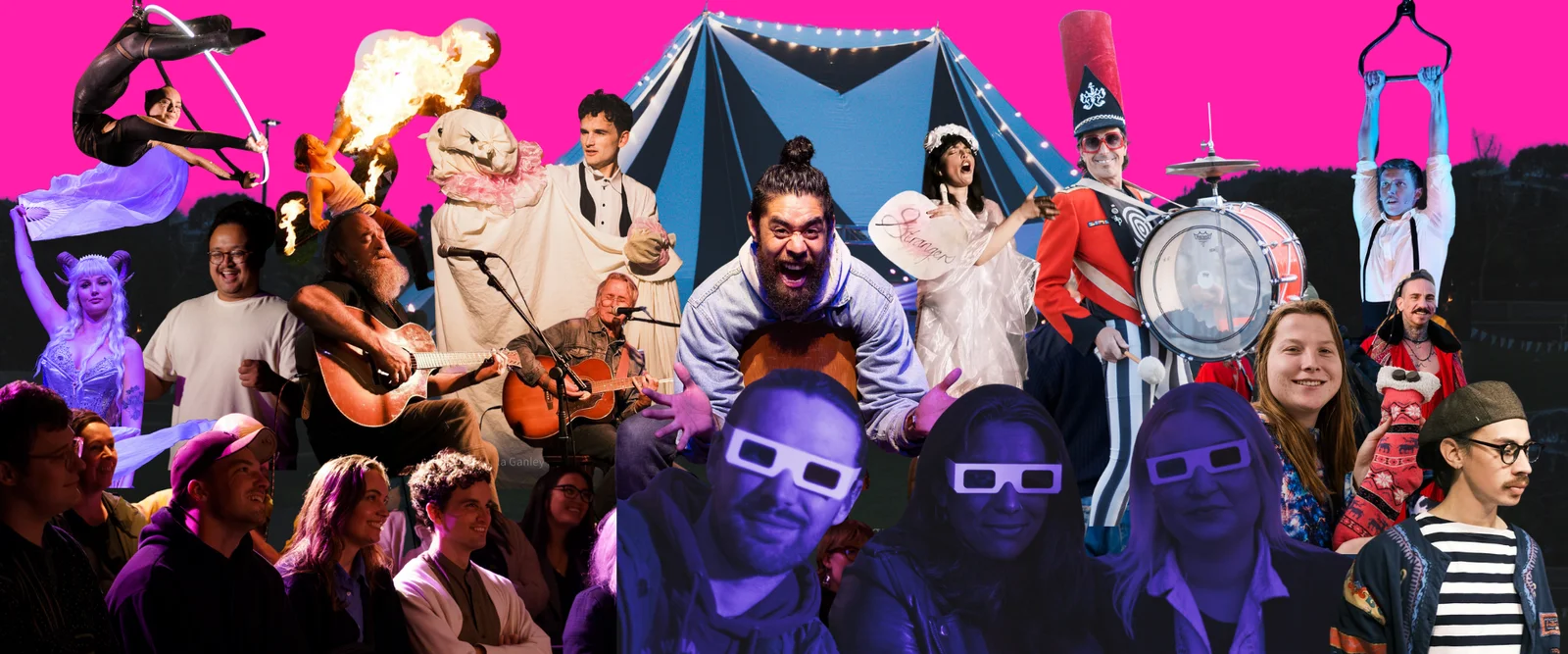
For 17 days each year, usually late September through mid-October, Whangārei gets weird. The Fringe Festival fills over 25 venues across the city with performances, exhibitions, workshops and experiences that push boundaries, challenge expectations and celebrate creativity in all its forms. Theatre happens in unexpected spaces. Comedy shows pack bars. Circus performers take over parks. Visual artists transform empty shops. Music spills from venues into streets. The whole city becomes a stage for experimental arts and accessible entertainment.
After a successful debut in 2020, followed by an encore in 2022, the Whangārei Fringe established itself as a biennial event before transitioning to annual programming. The most recent festival in 2024 featured 116 events with 169 shows across the 17-day run, involving 450 participants and drawing audiences from across Northland and beyond. For 2026, the festival promises to return bigger and weirder, continuing its mission to be a platform for local voices, experimental work and community celebration.
Fringe festivals worldwide operate on open access principles. Anyone can participate by registering their event, paying modest fees and meeting basic technical and safety requirements. This democratic approach means the programming reflects what artists want to create and audiences want to see rather than what curators think should happen. The result is gloriously diverse, occasionally bewildering and often brilliant.
The Programme Diversity
Walking through a Whangārei Fringe programme reveals the breadth of contemporary arts practice. Theatre productions range from polished professional shows to experimental works receiving their world premieres. Comedy spans stand-up to sketch to improvisation. Music includes acoustic performances, electronic experiments, jazz, rock, experimental noise and everything between. Dance presents contemporary choreography, traditional forms and audience participation events.
Circus and physical performance feature prominently, with the 2024 festival bringing a full circus tent to Pūtahi Park housing cabaret, burlesque and acrobatic performances. Family-friendly circus shows during daytime give way to adult-oriented late night entertainment once children are home in bed. Circus workshops let people try skills like juggling, aerial work or acrobatics under professional instruction.
Visual arts exhibitions appear throughout venues, from established galleries like Hiku Gallery in Hikurangi to pop-up spaces like the Tiny Street Art Exhibition that hid miniature artworks around central Whangārei for people to discover using Instagram clues. The integration of visual arts with performing arts creates fuller festival experience than either alone could provide.
Workshops teach everything from printmaking to puppetry, bookbinding to circus skills. These participatory events recognize that some people want to make art as much as view it. The hands-on learning builds skills while demystifying creative processes that can seem inaccessible from outside.
Digital and interactive experiences reflect contemporary arts practice. Virtual reality installations. Interactive sound experiences. Technology-enhanced performances. These cutting-edge works demonstrate how artists use new tools while maintaining focus on human connection and creative expression.
Local and Visiting Artists
Over half the Fringe programme typically features local artists from Te Tai Tokerau. This strong regional representation matters enormously. Professional artists living in Northland gain performance opportunities and audience exposure that commercial venues might not provide. Amateur and emerging artists access supportive environment where experimentation is expected and failure is acceptable. The festival validates local creativity while demonstrating the depth of artistic talent that exists outside major urban centers.
Visiting artists from around New Zealand bring different perspectives, professional polish and cross-pollination of ideas. National touring acts might include Billy T Award-winning comedians like Kura Forrester, established theatre companies, recognized musicians and performers building national reputations. Their presence elevates the festival’s profile while giving local audiences access to work they’d otherwise need to travel to Auckland or Wellington to experience.
The balance between local and visiting artists creates productive tension. Local work stays rooted in place and community while visiting artists challenge assumptions and introduce different approaches. Audiences benefit from both, experiencing work that reflects their own community alongside perspectives from elsewhere.
Venues Across the City
The Fringe operates across 25 or more venues, transforming the city into a festival site rather than concentrating in single location. Established arts venues like The Quarry Arts Centre, Reyburn House Gallery and Old Library host events perfectly suited to their spaces. Bars and restaurants become performance venues, with shows in spaces like Schnappa Rock or purpose-built comedy venues in empty shops on John Street.
Parks and outdoor spaces host free community events. Pūtahi Park becomes a festival hub, particularly when the circus tent appears. The Canopy Bridge provides dramatic setting for performances. Walking trails and public spaces incorporate interactive installations and performances. This geographic spread means encountering art becomes part of moving through the city rather than requiring special trips to designated cultural venues.
Unexpected venues add surprise and delight. Elevators in CBD buildings become touring music venues. Garden tunnels at The Quarry provide unique acoustic spaces for experimental sound performances. Empty retail spaces transform into galleries or performance venues for the festival duration. These non-traditional settings challenge both artists and audiences to reconsider what performance spaces can be.
The venue diversity ensures accessibility. Some spaces are fully accessible for wheelchairs and mobility aids. Others present challenges. The festival provides accessibility information for each venue, helping people with specific needs plan their attendance. The range of locations also means most Whangārei residents live near at least some venues, reducing travel barriers to participation.
Pricing and Accessibility
The Fringe emphasizes accessibility through pricing. Many events are free or operate on koha (donation) basis. Low-cost tickets (often $10 to $20) make most shows affordable. Higher-priced events typically reflect professional production values or visiting performers’ fees, but these sit alongside budget-friendly options. The pricing structure ensures economic circumstances don’t prevent participation.
Tickets are available through Eventfinda and during the festival at a dedicated box office (typically at ONEONESIX, 116 Bank Street, operating 10am to 1pm Tuesday through Friday). The physical box office provides alternative for people preferring in-person transactions or needing assistance with online booking.
The festival website allows searching by genre, date, venue or price, making it easier to find events matching interests, schedules and budgets. This filtering functionality helps navigate a programme with over 100 events across 17 days without overwhelming users.
Some events sell out, particularly popular comedy shows, intimate performances with limited seating or special one-off experiences. Booking ahead for high-interest events prevents disappointment while allowing spontaneous attendance at events with remaining capacity.
Community Events
Free community events anchor the festival, ensuring everyone can participate regardless of economic circumstances. “Light the City with Northpower” at Pūtahi Park has become a festival highlight, featuring fire dancers, vibrant music, performances and treats on the Canopy Bridge. These large-scale free events create shared experiences bringing diverse audiences together.
Interactive trails and walking events invite participation through movement and exploration rather than passive viewing. The Tiny Street Art Exhibition turns the city into treasure hunt. Walking performances take audiences through spaces they know in new ways. These peripatetic events suit Whangārei’s walkable central city while creating democratic art experiences that happen in public space.
Children’s programming ensures families can attend together. Family-friendly shows during school holidays and weekends provide entertainment while introducing young people to live performance. Shows like “The Ice Cream is Melting,” a circus performance about climate change, combine entertainment with education in age-appropriate formats.
The Human Library at Whangārei Central Library exemplifies the festival’s community focus. This participatory event lets people “check out” other humans for conversations, learning personal stories and perspectives through direct dialogue. The format builds empathy and understanding while fitting perfectly with the library’s role as community connector.
World Premieres and New Work
Fringe festivals globally function as incubators for new work. The Whangārei Fringe typically includes multiple world premieres, showing audiences experimental pieces receiving their first performances. For artists, this provides essential development opportunities. Works can be tested, refined and developed before larger productions or national tours.
The 2024 festival included 17 world premieres, demonstrating how actively the festival supports new creation. These premieres range from solo performances to ensemble pieces, from comedy shows to theatre productions, from music performances to multidisciplinary works. The variety shows how diverse artistic practices are developing in and around Whangārei.
The supportive environment for experimental work matters enormously. Commercial venues require proven success and guaranteed audiences. Fringe festivals accept risk as part of their mandate. This permission to experiment and potentially fail creates space for innovation that drives arts forward. Many successful works received their first performances at fringe festivals before developing into touring productions or commercial successes.
Organization and Volunteers
The festival operates through a small professional core supported by large volunteer team. Co-founders and producers Laurel Devenie and Josh McGrath lead organizational efforts with support from dedicated staff handling logistics, marketing, artist liaison and countless operational details that make a 17-day, multi-venue festival possible.
Volunteers handle venue management, ticketing, front-of-house operations, technical support and audience assistance. The volunteer commitment reflects community investment in the festival and keeps operational costs down. Many volunteers are themselves artists, creating supportive community where everyone contributes to collective success.
Funding comes from multiple sources including Creative New Zealand, Foundation North, Whangārei District Council, local business sponsorship (like Northpower’s long-standing support) and ticket sales. The mixed funding model provides stability while ensuring the festival maintains artistic independence and can take creative risks that purely commercial operations couldn’t afford.
Sponsors like Northpower, Northpower Fibre and various local businesses provide essential financial support alongside council and trust funding. These partnerships demonstrate business community recognition of the festival’s cultural and economic value. The festival brings visitors to the district, fills accommodation and hospitality venues, and showcases Whangārei as a creative, vibrant city.
The Fringe Spirit
What makes something “fringe?” The term originated with Edinburgh Festival Fringe, where shows not part of the official Edinburgh International Festival happened on the “fringe” of that major event. Over decades, fringe festivals developed distinct character: open access programming, experimental work, accessible pricing, non-traditional venues and celebration of creativity over commercial success.
Whangārei Fringe embraces this spirit. The eclectic programming reflects what artists want to create rather than commercial calculations about what will sell. The pricing keeps arts accessible. The open access model means anyone can participate. The venues span traditional and unexpected spaces. The atmosphere encourages experimentation and celebrates diversity.
The “weird and wonderful” ethos appears throughout festival marketing and community conversations. Fringe isn’t trying to be respectable or mainstream. It celebrates the unconventional, the experimental, the voices and visions that don’t fit elsewhere. This permission to be weird creates freedom for artists and audiences to explore beyond familiar territory.
Planning Your Festival Experience
With over 100 events across 17 days, nobody sees everything. Strategic planning helps. The festival website allows browsing full programme and creating personalized schedules. Identify must-see events and book early. Leave space for spontaneous discoveries and word-of-mouth recommendations during the festival.
Consider variety when planning. Mix ticketed professional productions with free community events. Attend familiar genres and try something completely new. See local artists and visiting performers. The festival’s strength lies in diversity, which rewards varied programming choices.
Weekend schedules typically pack more events than weekdays, suiting visitors traveling to Whangārei specifically for the festival. Weekday programming allows locals to participate without competing with weekend crowds. The 17-day run spanning two weekends provides flexibility for different attendance patterns.
Accommodation books up during the festival, particularly if other events coincide. Early booking ensures availability and sometimes better rates. Central Whangārei accommodation allows walking to most venues, while options in surrounding areas work well for those comfortable driving and parking for evening events.
Experience the Fringe
The Whangārei Fringe Festival offers something genuinely different from other Northland events. This isn’t heritage celebration, sporting competition or seasonal festival. It’s concentrated explosion of contemporary arts practice, experimental creativity and community celebration through performance, visual arts and participation.
For artists, it provides platform and audience. For audiences, it offers access to work they wouldn’t otherwise experience. For the community, it demonstrates Whangārei’s creative vitality and positions the city as more than regional service center or tourist stopover. For 17 days, Whangārei becomes creative hub celebrating what makes the district unique while connecting to broader national and international arts movements.
Whether you’re devoted arts enthusiast or simply curious about what “fringe” means, the festival welcomes you. The accessible pricing, diverse programming and city-wide presence make participation easy. The emphasis on local work means supporting creative community members. The experimental character means potentially discovering something remarkable before it tours nationally or internationally.
For full programme details, ticket information and festival updates, visit whangareifringe.co.nz or follow Whangārei Fringe on social media.
Map
Sorry, no records were found. Please adjust your search criteria and try again.
Sorry, unable to load the Maps API.