Profile
Every September, usually the first Saturday, Whangārei Central Library hosts something special. For two hours, the library fills with colors, sounds, food and performances representing the dozens of cultures that call the district home. Multicultural Day brings together communities from across the globe, creating space where everyone celebrates the diversity that defines contemporary Whangārei. It’s free, welcoming and genuinely inclusive in ways that formal multiculturalism events sometimes aren’t.
Organized by Multicultural Whangārei with support from Whangārei District Council, the event is part of Welcoming Week. This annual national initiative runs September 6 to 15 (dates vary slightly year to year), celebrating diversity and welcoming newcomers to communities across New Zealand. Whangārei’s Multicultural Day represents the district’s flagship Welcoming Week event, drawing hundreds of people who might not otherwise cross paths in their daily lives.
The library setting matters. Throughout surveys of newcomers to Whangārei, the Central Library consistently ranks as the most welcoming public space in the district. People describe it as safe, inclusive and culturally appropriate. It provides language resources, hosts diverse community events and creates neutral ground where everyone feels comfortable. Holding Multicultural Day here amplifies those strengths while demonstrating the library’s role as community hub beyond just books and computers.
Cultural Performances
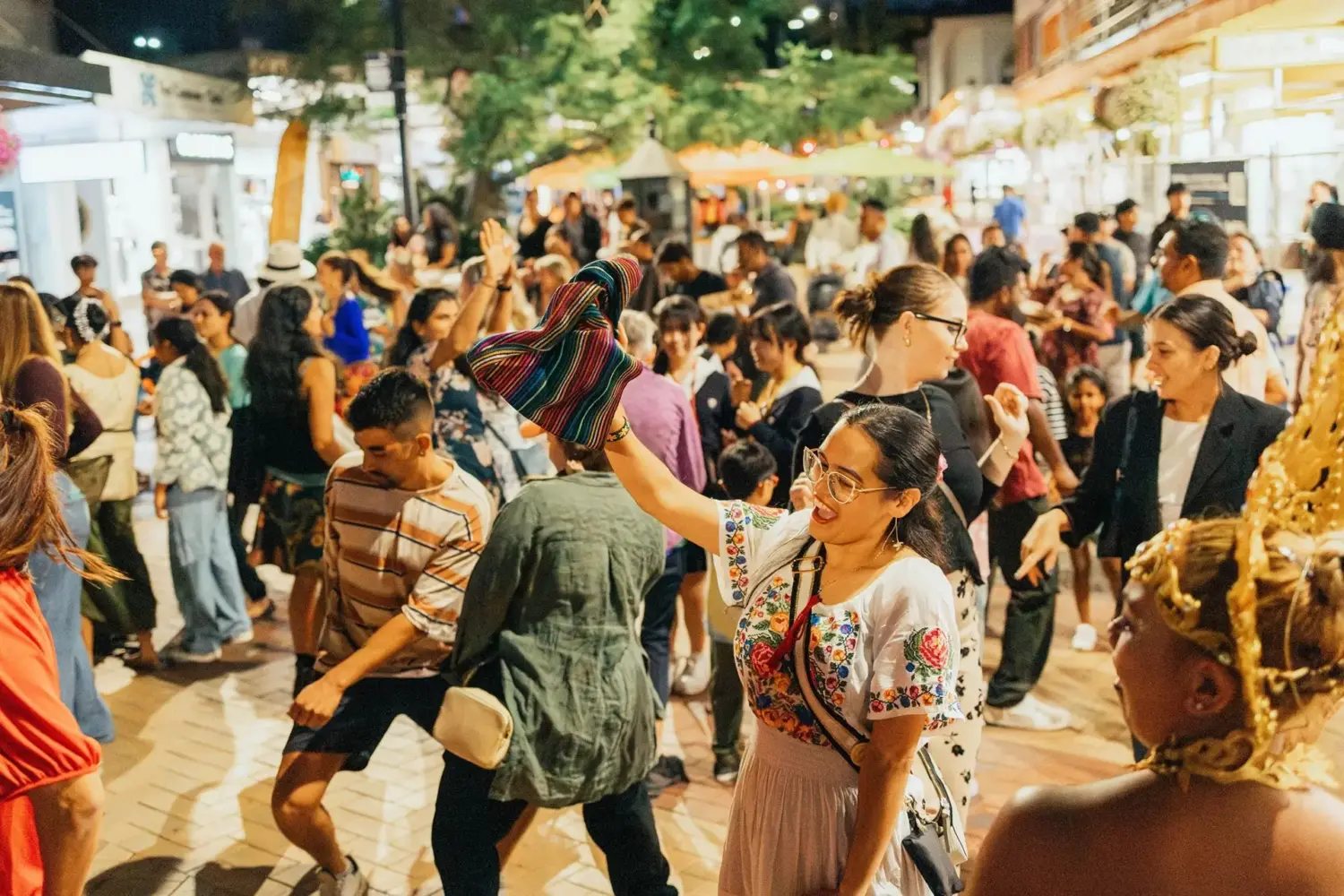
The morning centers on continuous performances showcasing different cultural traditions. Music and dance from various communities take turns on stage. Indian classical dance. Pacific Island drumming and movement. Filipino cultural performances. Chinese traditional music. Middle Eastern dance. African drumming. The variety demonstrates the breadth of cultures represented in Whangārei and provides entertainment that’s educational and enjoyable.
These aren’t professional touring acts. They’re community members, often amateur performers, sharing traditions that matter to them. The authenticity creates connection that polished professional entertainment sometimes lacks. Watching your neighbor from two streets over performing traditional dance from their home country creates understanding and appreciation that abstract multiculturalism doesn’t achieve.
Children feature prominently. Young people performing dances learned from parents or grandparents. Kids demonstrating cultural practices that connect them to heritage. The intergenerational aspect matters, showing how cultural traditions pass forward while adapting to New Zealand context.
The performances create atmosphere throughout the two-hour event. There’s always something happening on stage, providing focal point and entertainment while people browse displays, sample food and socialize. The continuous programming keeps energy high and gives families with children structured entertainment that holds attention.
Cultural Displays and Information
Various cultural and community organizations set up information displays and interactive exhibits. Countries represented might include India, Philippines, China, various Pacific Island nations, Middle Eastern countries, African nations, European countries and more. Each display reflects the community’s character, priorities and what they want to share about their culture.
Some displays focus on traditional artifacts, clothing and cultural items that visitors can examine and ask questions about. Others emphasize contemporary community life, showing how cultural groups organize, what services they provide and how people can connect with specific communities. The range ensures both cultural education and practical community information.
Language learning materials often feature, with simple phrases written in various languages. This small gesture acknowledges linguistic diversity while providing accessible entry point for people curious about languages spoken in their community. Children particularly enjoy learning greetings and basic words in different languages.
Religious and spiritual diversity receives representation through respectful displays explaining various faith traditions present in Whangārei. This education helps counter misunderstanding and stereotypes while building interfaith awareness and respect.
The displays create conversation opportunities. Representatives from each community stand ready to answer questions, share stories and make connections. These informal interactions build relationships and understanding that formal presentations can’t replicate.
Food and Flavors
Traditional food represents a major attraction. Various cultural groups prepare and share dishes representing their cuisines. Sampling becomes a form of cultural education, introducing flavors, ingredients and cooking techniques from around the world. The food provides accessible entry point for people who might hesitate to engage with unfamiliar cultural performances or displays.
The emphasis is on sharing rather than selling. Small portions let people sample widely without filling up on one cuisine. This generosity reflects the event’s spirit of cultural exchange and welcome rather than commercial transaction. Communities donate food and preparation time, demonstrating commitment to building understanding through shared meals.
For people from particular cultural backgrounds, finding their traditional food at a community event validates their presence and contributions to the district. For others, tasting authentic dishes cooked by people from those cultures provides education that restaurants sometimes can’t match, as home cooking often differs from commercial adaptations.
Dietary considerations receive attention, with vegetarian, vegan and halal options typically available. The inclusive approach ensures everyone can participate in the food sharing regardless of dietary restrictions or preferences.
Activities for Children and Families
The event consciously welcomes families, recognizing that building inclusive communities requires engaging children alongside adults. Activities designed for young people appear throughout the space. Craft activities using traditional techniques or materials. Face painting incorporating cultural designs. Games from different countries. Story time featuring multicultural books.
These child-focused activities serve multiple purposes. They keep children entertained, making the event accessible for parents. They introduce young people to diverse cultures during formative years when openness to difference comes naturally. They create positive associations between cultural diversity and enjoyable experiences.
The family-friendly emphasis appears in timing (Saturday morning suits families), format (drop-in rather than requiring extended attention) and atmosphere (relaxed, welcoming, forgiving of children being children). Parents consistently cite this accessibility when explaining why they attend Multicultural Day rather than other cultural events.
The Welcoming Week Context
Multicultural Day anchors a broader week of events celebrating diversity and welcoming newcomers. Welcoming Week is a national initiative coordinated by Immigration New Zealand, the Human Rights Commission and the Ministry for Ethnic Communities. Communities across New Zealand participate, creating concentrated period where diversity and inclusion receive focused attention and celebration.
Whangārei’s Welcoming Week programming extends beyond Multicultural Day to include various library events, presentations and workshops throughout the September 6 to 15 period. Artist talks. Workshops exploring specific cultural practices. Presentations about community initiatives supporting newcomers. Film screenings. Each event contributes to the broader goal of building welcoming, inclusive community.
The library hosts most Welcoming Week events, leveraging its reputation as the district’s most welcoming public space. The concentration makes participation convenient, as people can attend multiple events without traveling to different venues. It also creates synergy, with people attending one event discovering others they didn’t know about.
The Welcoming Communities Programme
Multicultural Day and Welcoming Week connect to Whangārei District’s participation in the Welcoming Communities Programme. The district officially joined in 2023 and achieved Committed Welcoming Community status (the first of four accreditation levels) on May 17, 2024. This achievement reflects collaboration between council, hapū, multicultural organizations, police and central government agencies.
The programme recognizes that welcoming newcomers requires intentional, coordinated effort. It’s not enough to simply not discriminate. Communities must actively create conditions where people from anywhere can settle successfully and feel they belong. Events like Multicultural Day represent visible manifestations of this commitment.
The Welcoming Communities Stocktake Report, based on surveys of 285 newcomers to Whangārei, informed the district’s approach. The overwhelmingly positive responses (nearly 90% said public spaces reflect community diversity) validated efforts while identifying areas for improvement. The library’s consistent recognition as the most welcoming space influenced decisions to center Welcoming Week programming there.
For the district, achieving Welcoming Community status represents more than symbolic recognition. It signals to potential migrants, former refugees and international students that Whangārei actively welcomes them. In competitive environments where people choose between multiple settlement locations, this reputation matters for attracting and retaining diverse populations that bring economic, social and cultural benefits.
Community Organization
Multicultural Whangārei coordinates the event with support from Whangārei District Council. This partnership model combines community knowledge and connections with council resources and infrastructure. Multicultural Whangārei understands the communities they serve, what cultural groups exist in the district and what forms of celebration resonate with different populations. The council provides venue access, promotional support, insurance coverage and administrative assistance.
The volunteer nature of organization matters. People planning and running Multicultural Day do so because they care about building inclusive community, not for payment or professional recognition. This grassroots character keeps the event authentic and connected to actual community needs rather than what organizers imagine those needs might be.
Preparation begins months before September, with outreach to various cultural communities encouraging participation. Not every group participates every year, and new groups sometimes join. The fluid participation reflects the organic nature of community organization while ensuring the event stays current with Whangārei’s changing demographics.
Evolving Demographics
Whangārei District’s cultural diversity has increased significantly in recent decades. What was once predominantly Māori and Pākehā has become genuinely multicultural. Migrants from India, China, Philippines, Pacific Islands, Middle East, Africa and Europe have settled throughout the district. Former refugees have made Whangārei home. International students study at NorthTec. This demographic shift creates both opportunities and challenges for community cohesion.
Multicultural Day responds to these changes by creating regular opportunity for interaction and celebration across cultural lines. For established residents, the event provides education about changing community demographics and what these changes mean. For newcomers, it offers connection to others from their backgrounds while introducing them to different cultures also present in the district.
The event also addresses isolation that migrants and former refugees sometimes experience. Finding others who speak your language, understand your cultural references and share your background reduces isolation while building support networks. Multicultural Day facilitates these connections, with people often exchanging contact information and forming relationships that extend beyond the event.
The Library’s Role
The library’s central role in both Multicultural Day and broader multicultural community building deserves recognition. Public libraries increasingly function as social infrastructure supporting diverse communities. They provide internet access, computer training, literacy support, English language learning resources and neutral spaces where everyone belongs.
Whangārei Central Library takes this role seriously. The collections include books in multiple languages. Programmes serve diverse populations. Staff receive cultural competency training. The space accommodates cultural and religious practices requiring specific environments. These ongoing commitments create foundation that makes Multicultural Day successful.
Survey respondents consistently praise the library for cultural appropriateness, inclusion and accessibility. One newcomer from Los Angeles described it as their safest space and easiest way to make friends. These testimonials validate the library’s approach while demonstrating how physical infrastructure combined with welcoming attitudes creates genuinely inclusive public spaces.
Planning Your Visit
Multicultural Day runs 10am to 12pm on Saturday during Welcoming Week, typically the first Saturday in September. The two-hour format provides substantial programming while fitting into weekend morning schedules. Arriving at opening ensures experiencing the full range of performances, displays and food offerings before items run out.
Entry is free and no registration required. Simply show up during the event hours. The drop-in format removes barriers while allowing flexibility in how long you stay and what you engage with. Families with young children particularly appreciate this flexibility, as they can leave if kids get restless without feeling they’ve wasted tickets or commitments.
Parking around the library in central Whangārei includes street parking and public carpark options. Weekend morning typically offers better availability than weekday business hours. The library is accessible by walking or cycling from much of central Whangārei, providing alternatives to driving.
The event welcomes everyone regardless of cultural background. This isn’t exclusive celebration for migrants and former refugees but inclusive celebration for entire community. The explicit welcome matters for people uncertain whether they belong at multicultural events.
Beyond One Day
While Multicultural Day represents highly visible annual celebration, the work of building welcoming community happens year-round. Multicultural Whangārei provides ongoing support, advocacy and programming for diverse communities. WINGS (Whangārei Intercultural Network Group Services) offers settlement support. English Language Partners provides language learning assistance. Various cultural and religious organizations serve their specific communities.
The council’s commitment to Welcoming Communities Programme means continued policy development, infrastructure investment and programming that supports diversity. Multicultural Day both reflects and drives this broader work, creating annual focal point that reminds everyone why inclusive communities matter.
Experience Whangārei’s Diversity
Multicultural Day offers opportunity to experience Whangārei’s cultural diversity in concentrated, accessible format. Two hours at the library provides performances you won’t see elsewhere, food you might not otherwise taste and interactions with communities you might not regularly encounter. Whether you’re curious about different cultures, wanting to connect with your own cultural community or simply looking for interesting free entertainment on a Saturday morning, Multicultural Day welcomes you.
The event demonstrates what inclusive communities can achieve when organizations, government and individuals commit to welcoming everyone. It’s imperfect, evolving and sometimes messy, like all genuine community efforts. But it’s real, authentic and increasingly important as Whangārei becomes more diverse.
For event details, Welcoming Week programming and information about Whangārei’s Welcoming Communities initiative, visit www.wdc.govt.nz/WelcomingCommunities or contact Multicultural Whangārei through their website or social media.
Map
Sorry, no records were found. Please adjust your search criteria and try again.
Sorry, unable to load the Maps API.