Profile
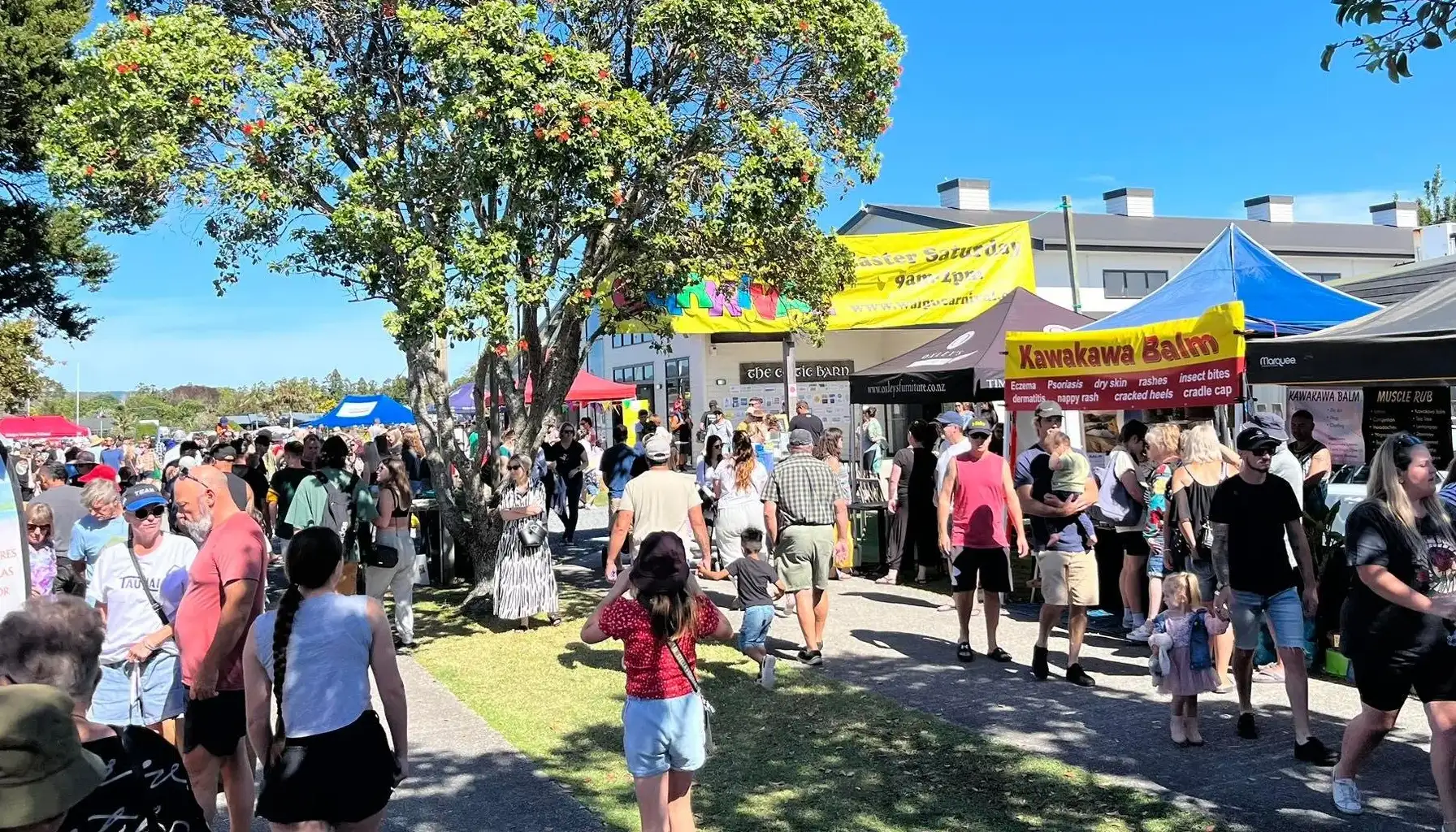
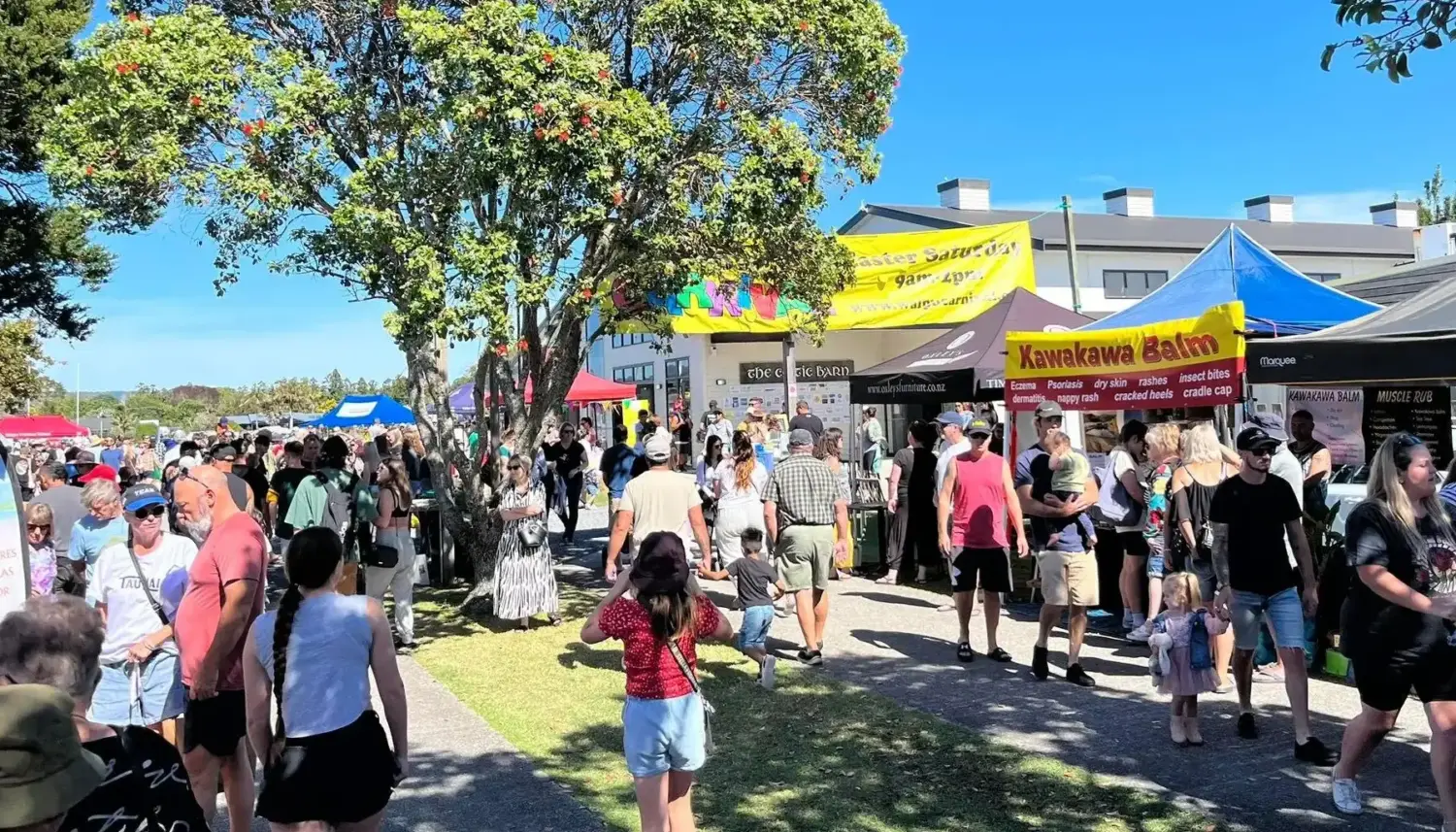
Easter Saturday morning in Waipū means one thing. The carnival. At 9am, Caledonian Park opens for five hours of rides, games, food, entertainment and the kind of old-fashioned family fun that feels increasingly rare. Bouncy castles. Pony rides. Face painting. White Elephant bargain hunting. Quick fire raffles. Live music on stage. Tractor rides through the park. A petting zoo. It’s relentlessly wholesome and thoroughly enjoyable.
The carnival started in 2010 when Waipū Primary School decided to consolidate multiple small fundraisers throughout the year into one major event. That first carnival proved successful enough that it’s now a fixture on both the school calendar and the wider Waipū summer events schedule. Thousands of people attend each year, mixing locals with Easter holiday visitors who discover the carnival while exploring the coastal settlement famous for its Scottish heritage.
Entry is by koha (donation). You decide what to give when you arrive, with all proceeds supporting the school. Once inside, activities and entertainment continue non-stop from opening until close. The carnival captures that last blast of summer holiday energy before school and routine resume. Families make the most of the long weekend. Kids run around with friends. Parents catch up with neighbors. The whole thing radiates community spirit that comes from everyone participating in an event that directly benefits local children.
Rides and Games
Traditional carnival rides and activities form the backbone of the entertainment. Bouncy castles of various sizes give children somewhere to burn energy. The bigger ones accommodate older kids while smaller versions suit toddlers. Inflatable obstacle courses test agility and speed. Some years feature giant slides. Others include bungee trampolines where kids strap in and bounce impossibly high.
Pony rides around a designated track let children experience riding without the commitment of lessons or ownership. Patient ponies plod along well-worn circuits while volunteers ensure safety and keep things moving. For many children, particularly those from urban areas, these brief rides represent rare direct animal contact.
The petting zoo brings farm animals up close. Goats, sheep, rabbits, chickens and other friendly creatures allow gentle interaction under supervision. Children learn basic animal behavior and handling while parents appreciate the educational element wrapped in entertainment.
Tractor rides tour the park, giving families chance to experience the grounds from a different perspective. The slow pace suits all ages and the novelty of riding on farm equipment appeals to both children who’ve never seen a tractor up close and adults nostalgic for rural childhoods.
Traditional carnival games test skill and luck. Ring toss. Hoopla. Miniature golf. Bean bag throwing. These low-tech activities provide entertainment without requiring expensive infrastructure or complex setup. Small prizes reward winners while the real prize is participating in familiar games that have entertained generations.
Entertainment and Performance
Live entertainment runs continuously from a dedicated stage. Local musicians and performers feature prominently, showcasing Waipū’s creative community while providing professional entertainment. Past years have included notable acts like Anika Moa performing acoustic sets, though most programming focuses on local talent.
Basin City Big Band, a local jazz ensemble, often performs. The Panimals Steel Band from Bream Bay College brings youth energy and Caribbean rhythms. Individual musicians, school groups and community performers rotate through the schedule. The variety ensures something appeals to different musical tastes throughout the five-hour event.
Circool, a community circus group, has performed at multiple carnivals. Their juggling, acrobatics and circus skills demonstrations entertain while inspiring children who might want to learn circus arts themselves. The interactive nature of circus performance, where performers engage directly with audiences, suits the carnival’s relaxed family atmosphere.
The entertainment provides anchor points for families planning their day. Arrive early for opening acts. Time your White Elephant visit around a favorite band’s set. Stay late for the final performances. The continuous programming means there’s always something happening on stage, creating atmosphere and giving people reasons to linger.
Food and Market Stalls
Food stalls satisfy the inevitable hunger that comes from five hours of activities. The offerings span familiar carnival fare and local specialties. Burgers and hotdogs. Fish and chips. Asian food options. Baked goods. Ice cream. Coffee. The variety ensures everyone finds something appealing without having to leave the park.
The famous cake and sweet stall represents a carnival highlight. Parents and community members bake and donate items specifically for this stall, creating a selection of homemade treats that disappear quickly. The quality and variety demonstrate the baking talent within the community while offering goods at reasonable prices. People often head straight for this stall at opening, knowing popular items sell out fast.
Market stalls scattered throughout the park bring additional shopping opportunities. Local artisans and craftspeople sell handmade items. The emphasis on local makers connects the carnival to Waipū’s creative community. You might find jewelry, pottery, woodwork, artwork, clothing or other handcrafted items alongside more typical market fare.
The White Elephant stall deserves special mention. This second-hand sale offers donated items at bargain prices, from household goods to toys, books to kitchenware. Serious bargain hunters arrive early. The combination of good deals and treasure hunting appeal creates competition for the best finds. All proceeds support the school, making purchases feel virtuous as well as practical.
Auctions and Raffles
Quick fire raffles throughout the day add elements of chance and excitement. Prizes change regularly, encouraging multiple entries. The rapid turnover keeps energy high and provides regular moments of anticipation as winners are announced. Children particularly enjoy the drama of raffles, hoping their ticket gets called.
Auctions for larger or more valuable items create focal points during the day. Donated goods from local businesses or community members go under the hammer. The public auction format generates competitive bidding while highlighting the generosity of donors. These auctions often raise significant funds quickly.
Both raffles and auctions demonstrate community support for the school. Local businesses donate prizes. Families buy tickets. Winners celebrate. The financial model works because everyone participates, creating collective investment in the school’s success.
Additional Activities
Beyond the main attractions, various zones and activities provide options for different interests. An Art Zone has featured in past years, offering craft activities where children create take-home projects. The hands-on nature appeals to kids who prefer making things to riding rides or playing games.
Smash Alley lets people vent frustrations by smashing donated crockery. This cathartic activity appeals to stressed parents and teenagers looking for something different from typical carnival entertainment. The controlled destruction provides safe outlet for energy while being genuinely fun.
Virtual reality setups have appeared at recent carnivals, bringing contemporary technology to the traditional event. These stations introduce children to VR experiences they might not otherwise access while demonstrating how the carnival evolves with changing interests.
Face painting remains perpetually popular despite being a carnival staple for decades. Children line up to have designs painted on cheeks, arms or hands. The transformations from plain faces to butterflies, superheroes or animals represent temporary magic that defines childhood carnival experiences.
The Volunteer Effort
The carnival runs entirely on volunteer labor. Parents, teachers, community members and older students contribute hours planning, setting up, running stalls, managing activities and cleaning up. The scale of volunteer coordination required for an event drawing thousands of people over five hours is substantial.
Planning begins months before Easter. Committees handle different aspects: entertainment booking, stall coordination, volunteer recruitment, marketing, logistics, food vendors and safety. Regular meetings ensure all elements come together smoothly. The organizational structure reflects the school community’s capacity for collective effort.
Setup happens in the days before Easter Saturday, with the final rush on Friday evening and early Saturday morning. Stalls assemble. Rides arrive and get tested. Signage goes up. Sound systems get checked. The transformation of Caledonian Park from quiet green space to bustling carnival requires countless volunteer hours.
During the event itself, volunteers staff every stall, manage every activity and ensure smooth operation. The White Elephant stall alone might need a dozen people rotating through shifts. Food stalls require preparation, serving and cleanup crews. Game operators run activities. Stage managers coordinate entertainment. First aiders provide safety coverage. The whole operation depends on coordinated volunteer effort.
Cleanup after the 2pm close takes hours. Stalls get dismantled. Rubbish gets collected. Borrowed equipment returns to owners. The park must be restored to its usual state. Volunteers who’ve already worked all morning stay to finish the job, ensuring the carnival leaves no lasting mess.
Timing with Street Market
The carnival coincides with Waipū’s famous street market, which usually operates Sunday but shifts to Saturday for Easter weekend. This timing creates a full day’s entertainment in the small settlement. Visit the carnival in the morning, then wander the street market spanning the length of Waipū’s main street. The combined events attract visitors from across Northland, filling the town with activity.
The street market features over 150 stalls selling everything from fresh produce to handmade crafts, art to food. Local artisans display paintings, clothing, photography, metal art and macrame. Food vendors offer diverse cuisines. The sensory experience of wandering between stalls complements the carnival’s more structured entertainment.
For visitors, the dual events provide reason to spend the full day in Waipū. For locals, having both events on one day means concentrated effort that brings economic benefit to the whole town. Cafes fill up. Accommodation books out. Businesses see increased foot traffic. The Easter Saturday becomes a community-wide celebration that benefits everyone.
Community Impact
Beyond the immediate enjoyment, the carnival serves important community functions. As the primary fundraiser for Waipū Primary School, it generates significant funds that support educational programmes, equipment and activities throughout the year. The money raised goes directly to benefiting local children’s education.
The event strengthens community bonds. Neighbors work together organizing and running the carnival. Families attend together, creating shared memories. The collective effort and shared experience reinforce the social fabric that makes small communities like Waipū function well.
For children, seeing their school community come together for this major event demonstrates civic engagement and collective responsibility. They learn that communities support institutions like schools through direct participation and contribution, not just through passive taxation or government funding.
The carnival has grown significantly since 2010. Early editions were smaller, testing what the community could sustain. The proven success and enthusiastic response encouraged expansion. Now firmly established, the carnival attracts visitors from throughout the district and beyond, putting Waipū on calendars alongside the Highland Games as must-attend community events.
Planning Your Visit
The carnival runs 9am to 2pm on Easter Saturday. Arriving early means shorter queues for popular activities and better selection at the White Elephant and cake stalls. The morning tends to be less crowded than late morning through lunch, when attendance peaks.
Bring cash. While some stalls accept electronic payment, cash transactions move faster and some activities remain cash-only. Having smaller denominations helps for koha entry donation and purchases from various stalls. Eftpos availability is limited, so depending on cards risks disappointment.
Parking fills up around Waipū, though organizers note plenty of parking is available around the venue. Arriving early ensures easier parking. Some families choose to walk if they’re staying in the town or nearby, avoiding parking concerns entirely.
The event is dog-free. Despite being outdoors in a park, no dogs are permitted due to safety considerations with crowds, children and activities. Plan alternative care for pets rather than bringing them.
Sun protection matters for the five-hour outdoor event. Hats, sunscreen and water bottles help everyone stay comfortable. Some shade exists but much of the park remains exposed during peak sun hours around midday.
The alcohol-free environment ensures family-friendly atmosphere throughout. This conscious choice maintains the carnival’s character as an event welcoming all ages and families, prioritizing child safety and community inclusiveness.
Easter Weekend in Waipū
The carnival represents one element of a full Easter weekend in Waipū. The Highland Games sometimes coincide with Easter (when Easter falls on New Year period, though typically the Games are on New Year’s Day). The street market runs the same day. The coastal location offers beaches and scenic drives. Cafes and restaurants create dining options.
For visitors, combining the carnival with broader Waipū exploration creates satisfying Easter Saturday. Attend the carnival in the morning. Grab lunch from street market stalls or local cafes. Explore the Waipū Museum to understand the settlement’s Scottish heritage. Drive to Waipū Cove for beach time. The compact area makes multiple activities feasible without excessive travel.
The carnival captures that last summer weekend atmosphere before autumn properly arrives. The relaxed holiday mood, combined with community celebration and old-fashioned family fun, creates memories that bring families back year after year.
Experience Waipū’s Community Spirit
The Waipū Easter Carnival offers something increasingly rare: a genuinely community-driven event where volunteers create entertainment that serves collective good. The absence of commercial operators or corporate sponsors (beyond local business support) keeps the focus on community benefit and authentic connection.
For visitors, the carnival provides insight into how small New Zealand communities function and what they value. The emphasis on supporting local schools, the volunteer effort, the inclusive atmosphere and the blend of traditional entertainment with community creativity all demonstrate the character that makes places like Waipū special.
Whether you’re in Northland for Easter weekend or live locally, the carnival offers five hours of entertainment that works for all ages. Children find endless activities. Parents reconnect with friends. Visitors experience genuine community celebration. And everyone supports Waipū Primary School in the process.
For event updates, volunteer opportunities or sponsorship information, visit www.waipucarnival.com, check Facebook for Waipū Easter Carnival or email waipucarnival@gmail.com.
Map
Sorry, no records were found. Please adjust your search criteria and try again.
Sorry, unable to load the Maps API.