Whale Bay: The Tutukaka Coast’s Hidden Paradise
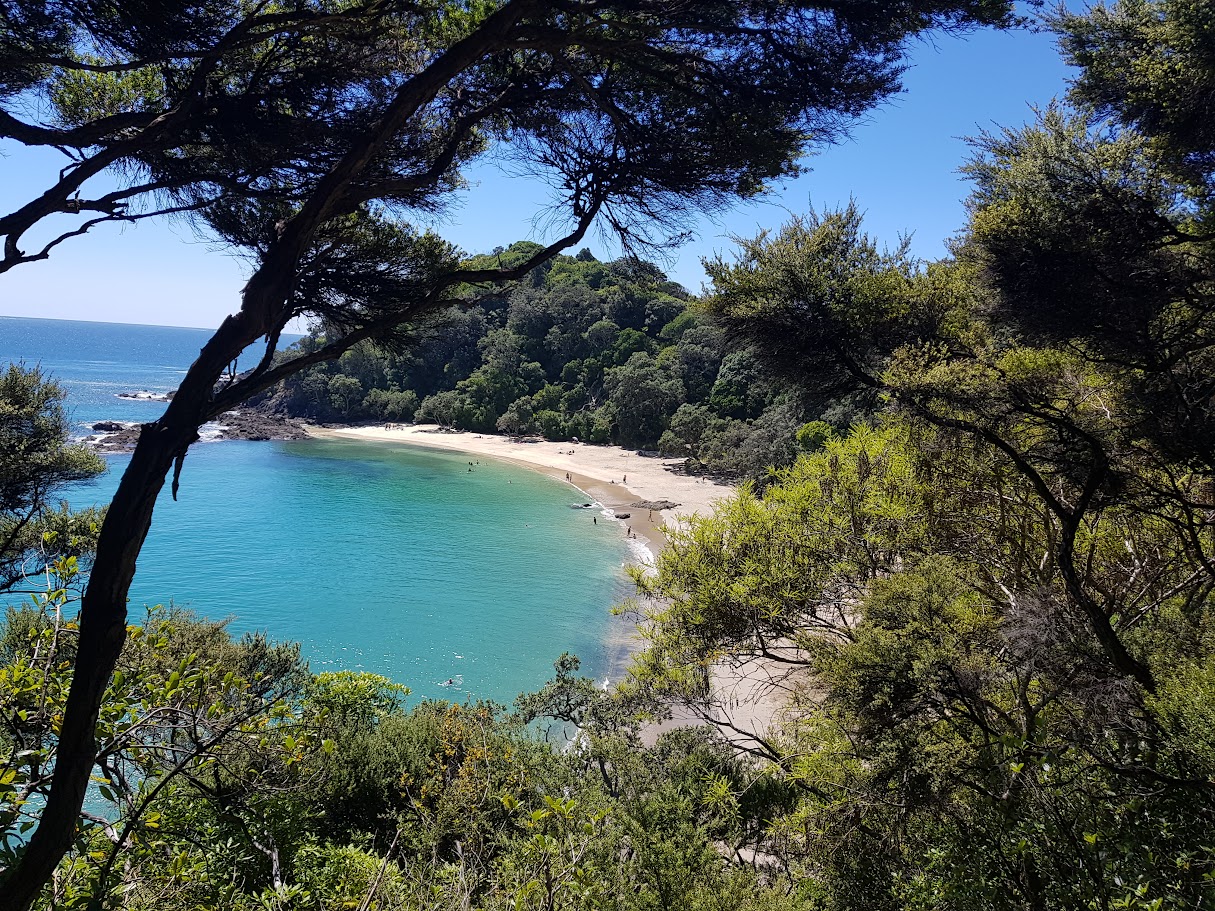
If you ask me to name the most stunning beach on the Tutukaka Coast, Whale Bay wins hands down. This pristine crescent of white sand and turquoise water, tucked between native bush-clad headlands just north of Matapouri, is the kind of place that makes you wonder why anyone bothers flying to tropical islands when we have this right here in Northland. The fact that you can only reach it on foot makes it all the more special – though I’ll admit the 15-minute walk from the car park weeds out the crowds nicely.
Getting There: The Journey is Part of the Magic
Located about 35 minutes from Whangārei on the Tutukaka Coast, Whale Bay sits just north of the beachside settlement of Matapouri. You’ll drive through Tikipunga, following signs for Whangarei Falls and the Tutukaka Coast, passing through the settlements of Ngunguru and Tutukaka before reaching Matapouri. The main car park for Whale Bay is on Matapouri Road, about 2km north of Matapouri Beach—you can’t miss the large gravel area and track entrance on the right hand side. Do ensure that you remove valuables from the car to be safe.
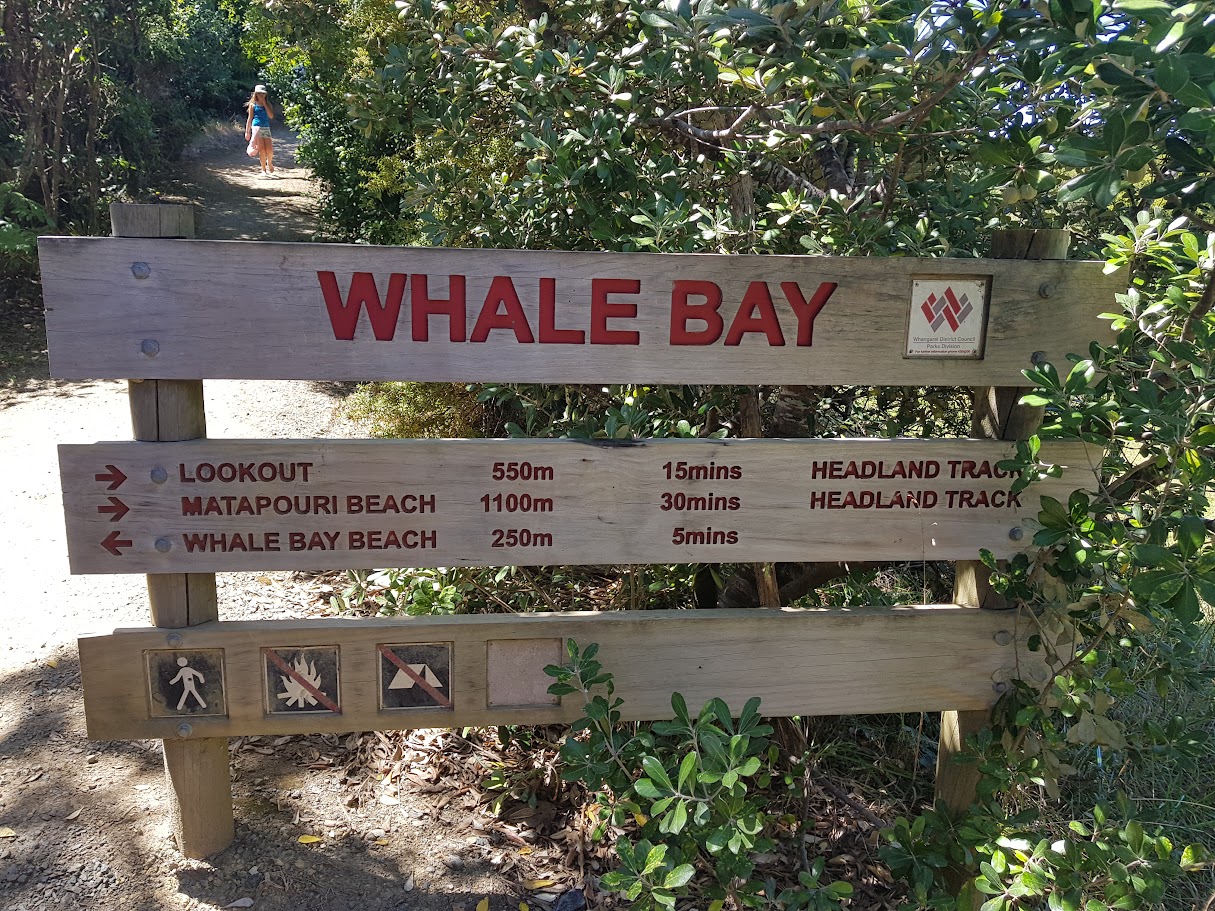
The quickest route to the beach is the well-maintained track from the car park, which takes about 15 minutes downhill through stunning native bush. The canopy of ancient Puriri trees provides welcome shade on hot summer days, and there are several viewpoints along the way where you can catch glimpses of the bay below. The track is well-graded gravel, suitable for most fitness levels, though coming back up will get your heart pumping a bit.
If the main car park is full (which happens during peak summer), you can park at Matapouri Beach and take the Matapouri Headland Track from the northern end of the beach. This scenic coastal route takes about 40 minutes but rewards you with spectacular views across the entire bay and up the coast toward Whananaki and Cape Brett – the panoramic views from the headland are absolutely worth the extra effort.
A Beach That Lives Up to the Hype
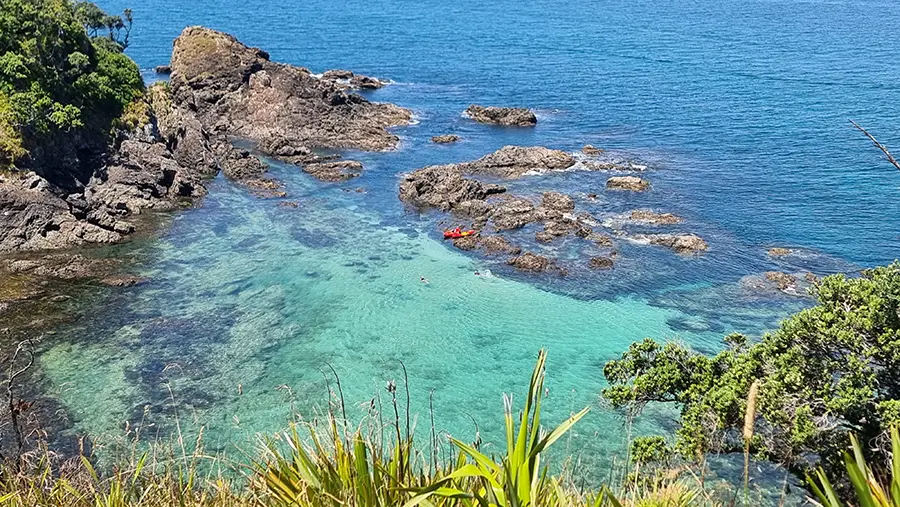
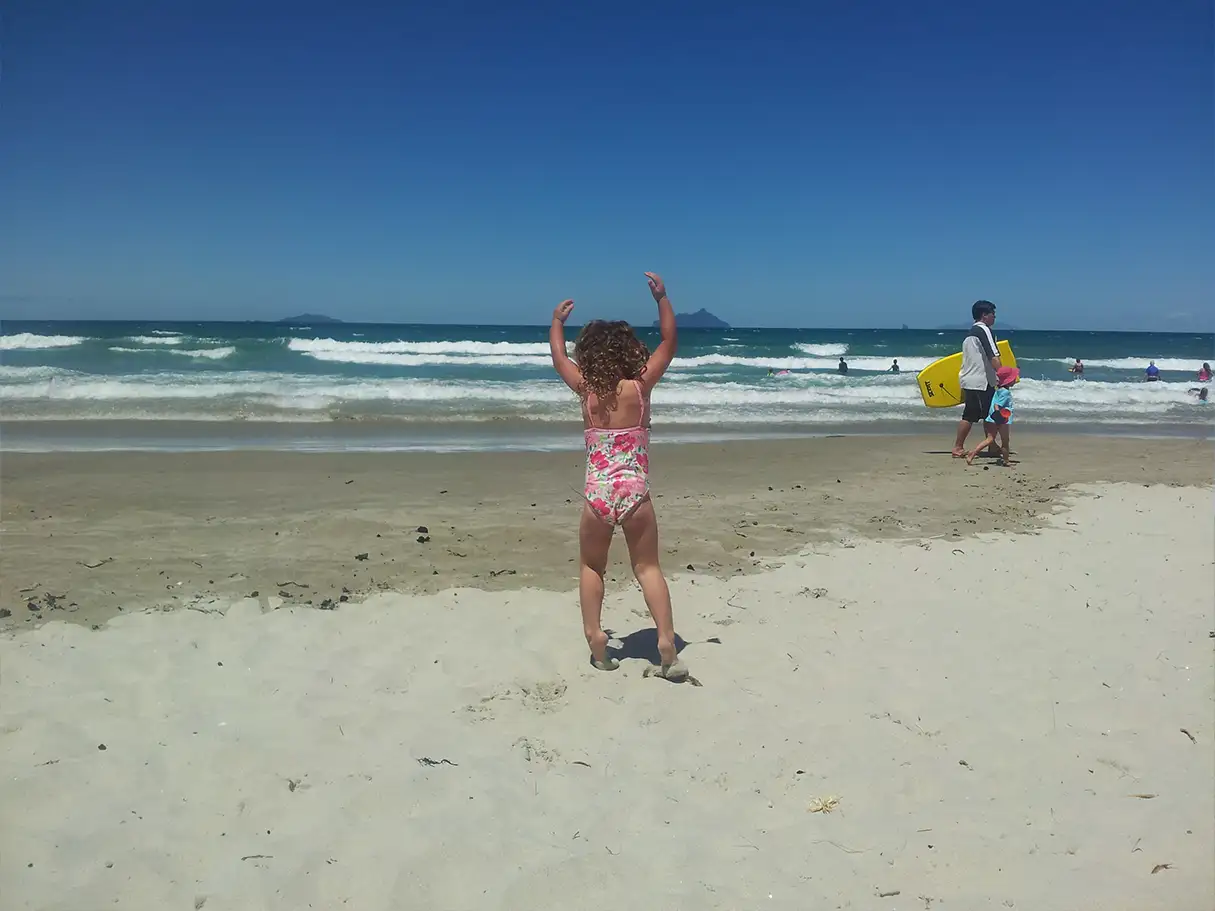
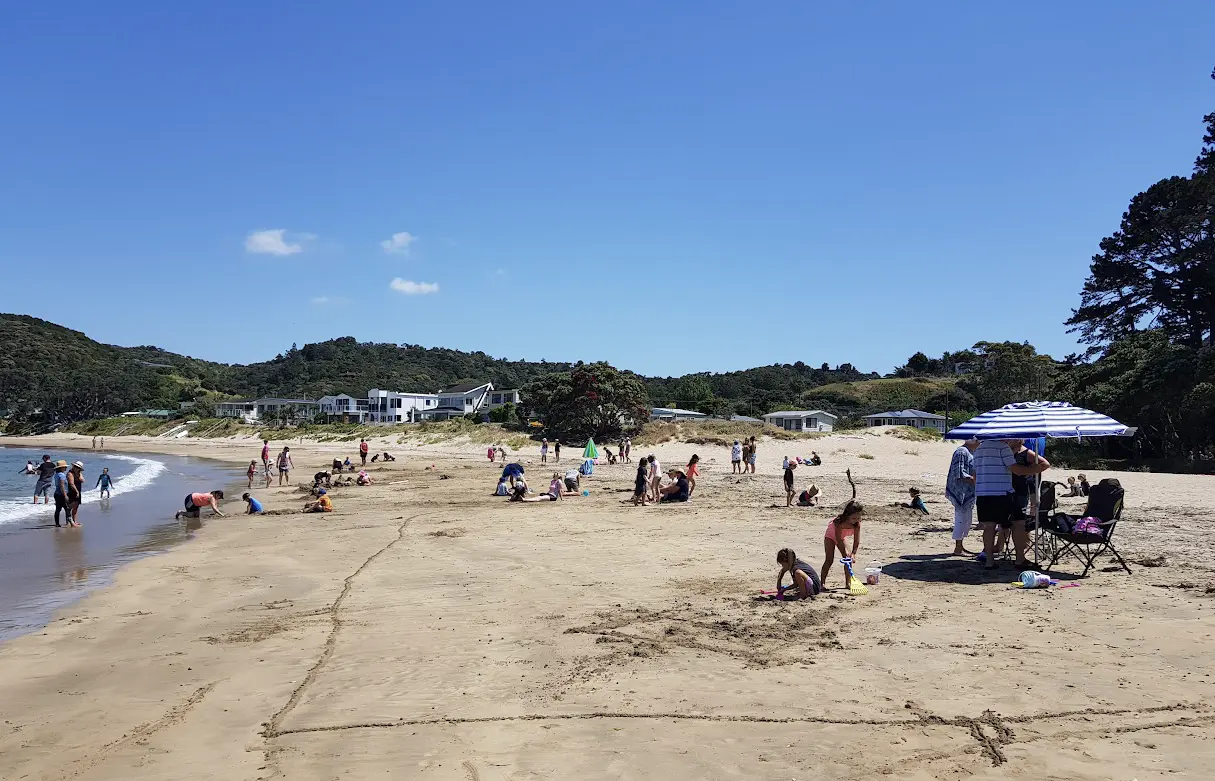
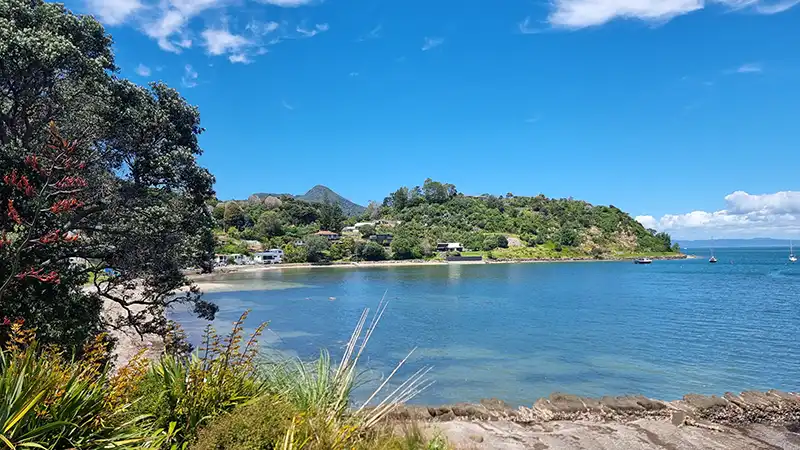
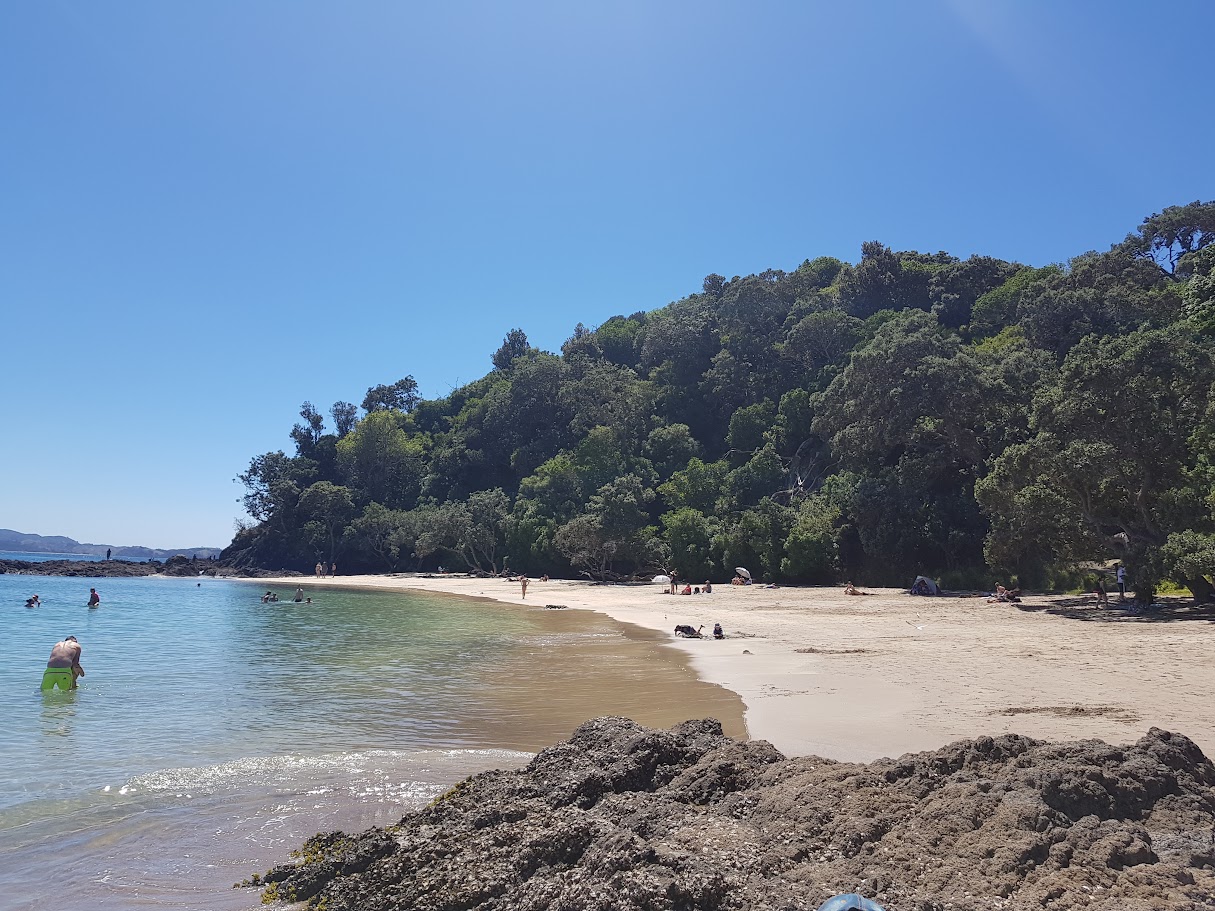
Once you descend to the beach, you’ll understand why Lonely Planet consistently ranks both Whale Bay and neighbouring Matapouri among New Zealand’s most beautiful beaches. The bay forms a perfect arc of soft white sand, backed by magnificent Pohutukawa trees that provide natural shade – essential on those scorching Northland summer days. The water here is remarkably clear, often taking on an almost Caribbean turquoise hue that seems too vibrant to be real.
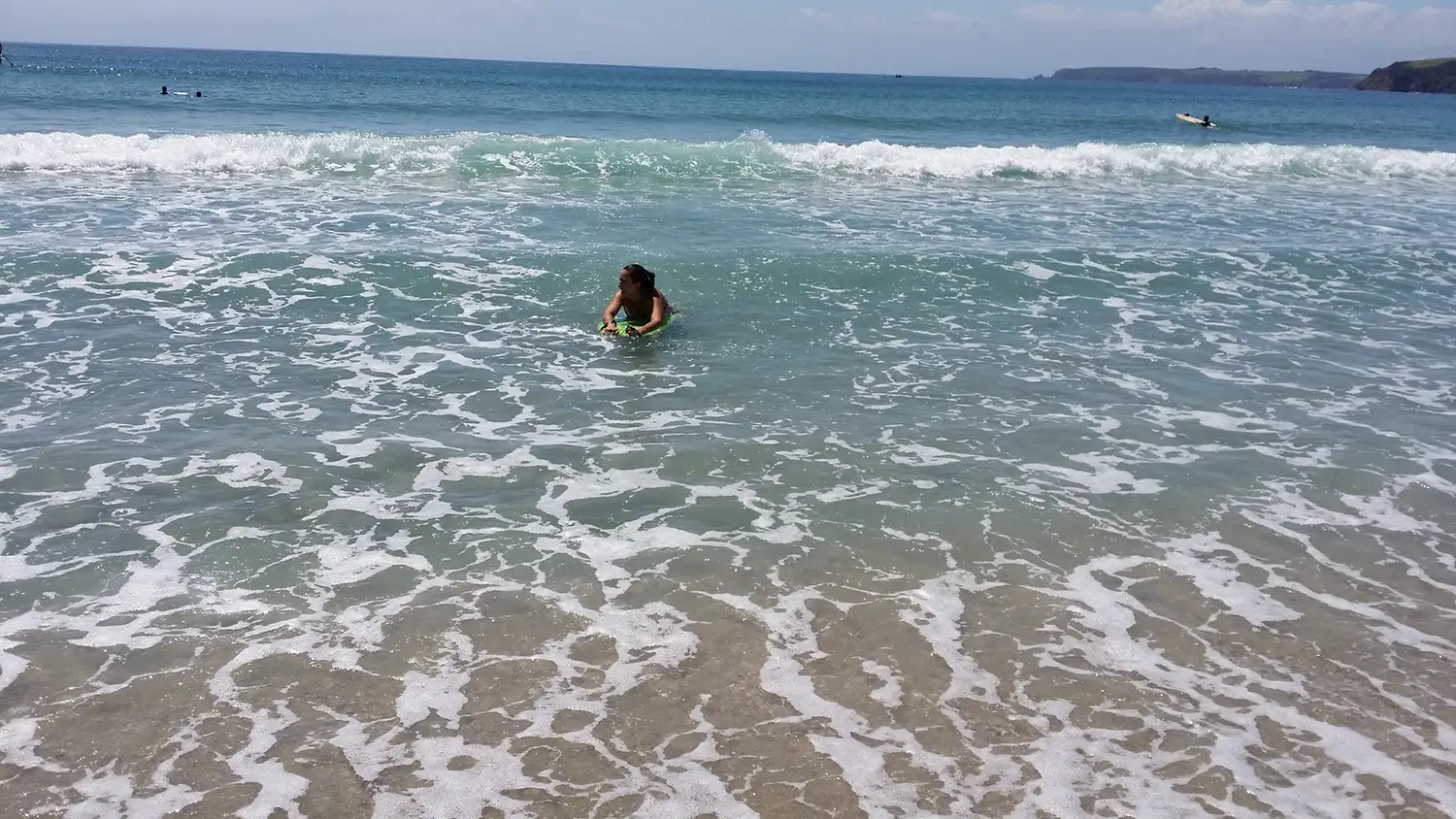
What makes Whale Bay particularly special for families is its sheltered, gentle nature. The bay’s orientation means it’s generally calm and protected from ocean swells, making it ideal for swimming with children. Unlike some of the more exposed beaches along the coast, you don’t have to worry about dangerous rips or large waves here. The water depth increases gradually, and the sandy bottom means no nasty surprises underfoot.
Snorkelling Paradise
The rocky outcrops at both ends of the beach are absolutely brilliant for snorkelling. The water clarity here is exceptional and the calm conditions mean you can get right up close to the rocks to explore the marine life. Bring your snorkelling gear and spend time exploring these areas; you’ll spot schools of small fish, possibly some blue maomao, and if you’re lucky, the occasional eagle ray gliding past in the deeper water.
The best snorkelling is at the right-hand (northern) end of the beach around the rocky areas. The water remains fairly calm here most of the time, making it safe for confident swimmers to explore. Just remember to check the conditions before heading out, and always snorkel with a buddy.
The Story Behind the Name
Whale Bay’s name carries a significant piece of local history. This sheltered bay was used by early Māori as a base for whaling expeditions, taking advantage of the calm waters and strategic location. The whaling history here dates back to the late 18th and early 19th centuries when Māori crews became skilled whalers, often preferred by European captains for their seafaring abilities and work ethic.
According to historical records, Māori from this area were among the first to join European whaling vessels, with some traveling as far as America and Europe. The bay served as an ideal launching point for these missions, its protected waters allowing safe departure and return. While the wholesale slaughter of whales is a dark chapter in our maritime history, today Whale Bay stands as a peaceful reminder of how dramatically our relationship with these magnificent creatures has changed.
Facilities and Practical Information
Whale Bay keeps things simple, which is part of its charm. There are flushing toilets at the far right end of the beach with running water (though this isn’t drinking water, so bring your own). There are no shops, cafes, or picnic tables at the beach itself—you’ll need to set up on the sand or find a spot under the Pohutukawa trees. A few benches are scattered along the walking track if you need a rest on the way down.
This lack of development is deliberate and helps maintain the bay’s pristine nature. Pack everything you need for your visit: food, water, sun protection, and definitely a bag for your rubbish. The “pack it in, pack it out” principle is essential here to keep this special place unspoiled.
The Mermaid Pools Situation
You might have heard about the famous (or infamous) Mermaid Pools near Matapouri Bay. Let me be clear: these are currently under a rāhui (cultural prohibition) placed by the local hapū (Māori sub-tribe), Te Whanau ā Rangiwhakaahu. The pools became severely polluted due to over-tourism, with human waste and sunscreen destroying the delicate ecosystem. The Instagram fame brought thousands of visitors who didn’t respect the environment, turning what was once a pristine natural pool into something quite unpleasant.
Please respect the rāhui and don’t attempt to visit the Mermaid Pools. The good news is that Whale Bay itself offers everything you could want from a beach day without needing to seek out Instagram-famous spots. We have a responsibility to learn from what happened at the Mermaid Pools and ensure we don’t let the same thing happen to other pristine locations along our coast.
Best Times to Visit
Summer (December through February) is obviously peak season, and for good reason – the weather is perfect for swimming and laying in the sun. However, this is also when the car park fills up quickly, especially on weekends and public holidays. If you’re visiting during this period, arrive early (before 10 am) or later in the afternoon.
My favourite time is autumn (March through May) when the water is still warm, the crowds have thinned, and you might have the beach almost to yourself on weekdays. The light during autumn creates spectacular colours on the water, particularly in the late afternoon.
Winter visits have their own charm. While too cold for most people to swim, it’s perfect for beach walks and you’ll likely have complete solitude. Spring (September through November) can be glorious on calm days, though the water takes a while to warm up.
The Wider Walking Network
Whale Bay is part of an excellent network of coastal walks. The full Whale Bay Loop Track is about 4km (2.5 miles) and takes roughly an hour to complete, offering a variety of coastal and bush scenery. The loop connects several tracks:
From Whale Bay, you can continue to the lookout point for panoramic views, then take the Ridge Track back through native bush to either the Whale Bay car park or down to Matapouri via Morrison Reserve. This inland route offers a completely different perspective, winding through regenerating native forest with glimpses of farmland.
The Matapouri Headland Track that connects Matapouri Bay to Whale Bay is one of the most scenic short walks in Northland. At low tide, you can access Pebbly Beach (clearly signposted to distinguish it from the closed Mermaid Pools track), another small cove worth exploring. The entire network is well-maintained with clear signage, making it hard to get lost.
Nearby Attractions and Amenities
Matapouri village, the closest settlement, has a small dairy on the corner of Matapouri Road and Wehiwehi Road that stocks basic supplies, takeaway food, and those essential ice creams for the kids. This is your last chance to grab supplies before heading to Whale Bay.
Tutukaka, about 10 minutes away by car, offers more substantial amenities. The marina there is the departure point for trips to the Poor Knights Islands, one of the world’s top diving destinations. Even if you’re not a diver, the snorkelling trips are spectacular. Tutukaka also has several excellent restaurants. Schnappa Rock at the marina is particularly good for fresh seafood, and the Marina Pizzeria does great wood-fired pizzas.
If you’re making a day of exploring the coast, Sandy Bay (just north of Whale Bay) is one of Northland’s most popular surf beaches, usually offering waves a foot or two higher than other beaches in the area. It’s a complete contrast to the calm waters of Whale Bay.
Conservation and Respect
The pristine condition of Whale Bay is no accident. It’s the result of ongoing conservation efforts and visitors who respect the environment. The Tutukaka Coast has several examples of what happens when tourism overwhelms a natural site – the Mermaid Pools being the most obvious cautionary tale.
When visiting Whale Bay, remember that you’re entering a delicate coastal ecosystem. Stick to marked tracks to prevent erosion, take all rubbish with you (there are no bins at the beach), and avoid disturbing wildlife. The Pohutukawa trees that provide such welcome shade have shallow root systems – please don’t climb them or compact the soil around their bases.
Dogs are prohibited on the walkway and beach to protect native wildlife. This is strictly enforced, so please leave your four-legged friends at home or explore one of the other dog-friendly beaches in the area.
Safety Considerations
While Whale Bay is generally very safe for swimming, basic beach safety still applies. The bay is not patrolled by lifeguards, so you’re swimming at your own risk. Always supervise children, even in the calm waters. After heavy rain, avoid swimming for 2-3 days as runoff can affect water quality. This is standard advice for all Northland beaches.
The walking tracks are well-maintained but can be slippery after rain. Wear appropriate footwear. Jandals (what we call flip-flops) might be fine for the beach, but you’ll want proper shoes for the walk, especially the uphill return journey. The tracks are exposed in places, so sun protection is essential even on the walk.
Lock your car and don’t leave valuables visible. While theft isn’t common, it does occasionally happen at remote car parks. Take your valuables with you or leave them at home.
Why Whale Bay Matters
In an increasingly developed and accessible world, places like Whale Bay become more precious. It’s one of the few easily accessible beaches that still feels remote and unspoiled. The walk-in access naturally limits visitor numbers, maintaining that sense of discovery and solitude that’s increasingly rare at beautiful beaches.
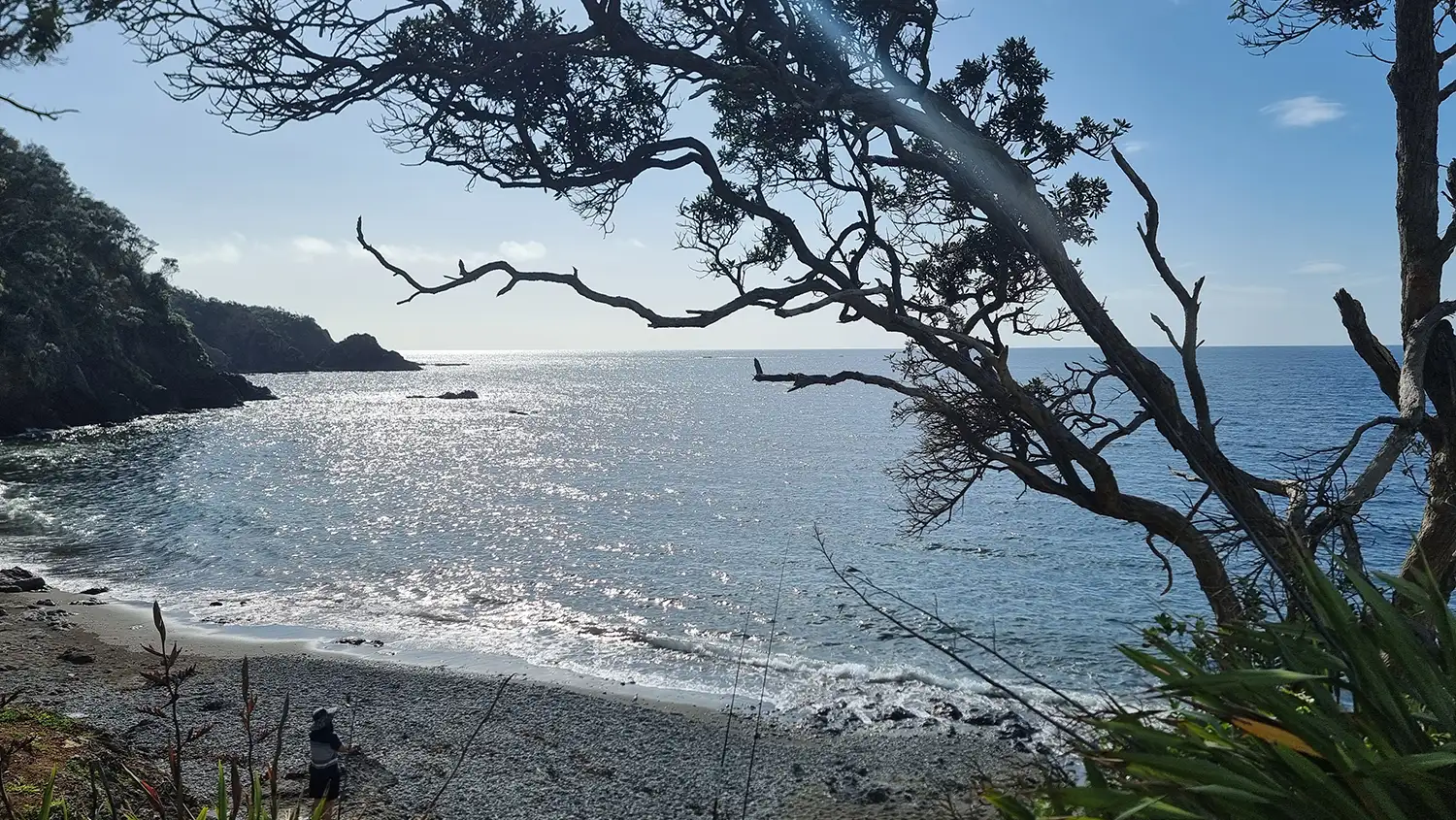
Every time I make that walk down through the bush and catch my first glimpse of the bay through the trees, I’m reminded why we need to protect places like this. It’s not just about preserving a pretty beach, it’s about maintaining those rare spots where nature still dominates, where you can swim in crystal-clear water, where Pohutukawa trees still shade pristine sand, and where the modern world feels pleasantly distant.
Planning Your Visit
Allow at least half a day for a Whale Bay visit. While the walk only takes 15 minutes each way, you’ll want to spend time swimming, snorkelling, and simply soaking up the atmosphere. Bring:
- Plenty of water and food (no shops at the beach)
- Snorkelling gear (the visibility is too good to miss)
- Sun protection (the walk has exposed sections and beach shade is limited)
- Good walking shoes for the track
- Towels and swimming gear
- A bag for your rubbish
If you’re combining Whale Bay with other Tutukaka Coast attractions, start early. You could easily spend a morning at Whale Bay, have lunch in Tutukaka, and explore another beach or take a Poor Knights trip in the afternoon.
Final Thoughts
Whale Bay represents everything that makes the Tutukaka Coast special. It’s beautiful without being overdeveloped, accessible without being overrun, and maintains that quintessentially Kiwi beach character that we’re gradually losing at more popular destinations. The combination of pristine sand, crystal-clear water, native bush, and relative seclusion makes it genuinely special.
Whether you’re a local looking for a perfect beach day, a visitor exploring Northland’s attractions, or a photographer seeking that perfect shot of New Zealand coastal paradise, Whale Bay delivers. Just remember that its pristine state depends on every visitor treating it with respect. Take only photos, leave only footprints, and help ensure that future generations can experience the same sense of wonder when they make that walk down through the native bush to discover this hidden gem of the Tutukaka Coast.