A Tutukaka Coast Family-Friendly Gem
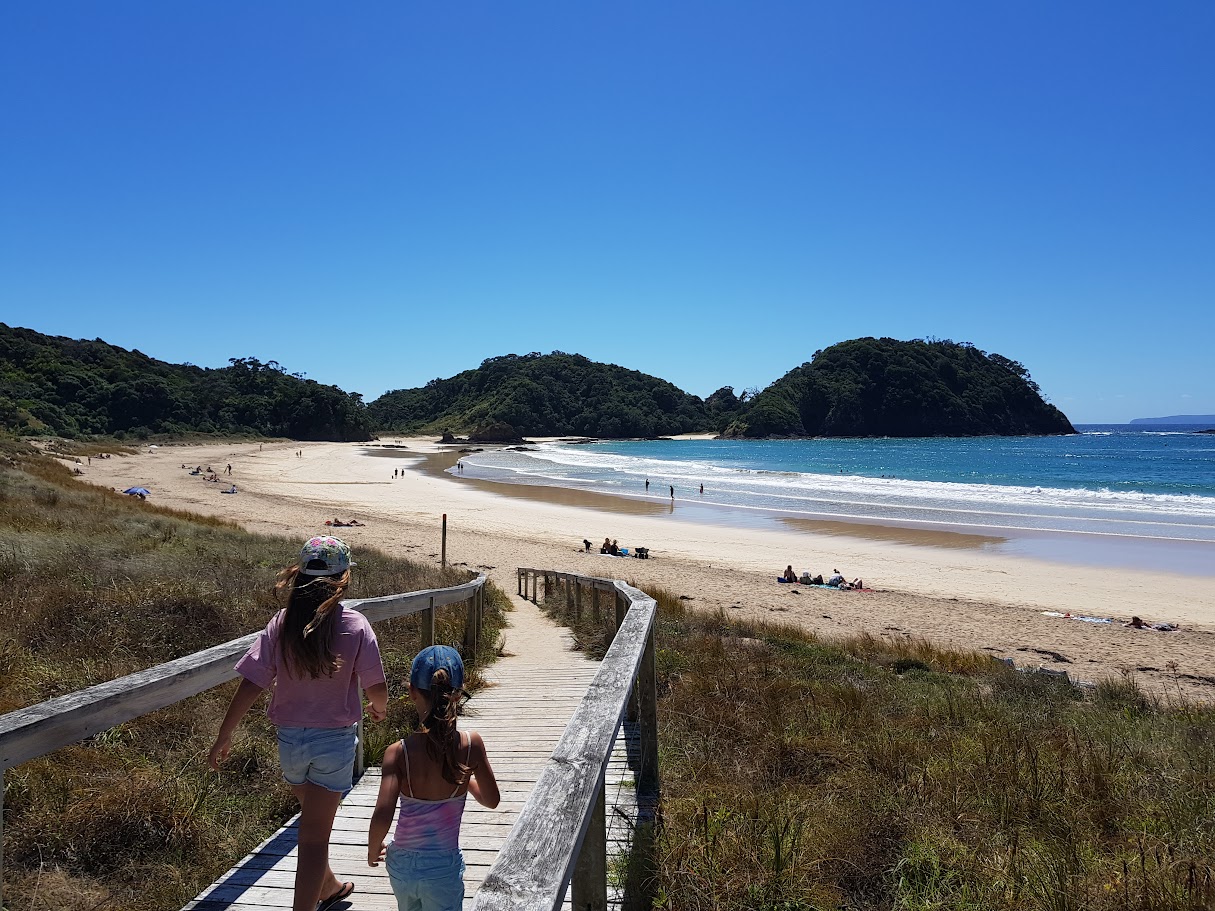
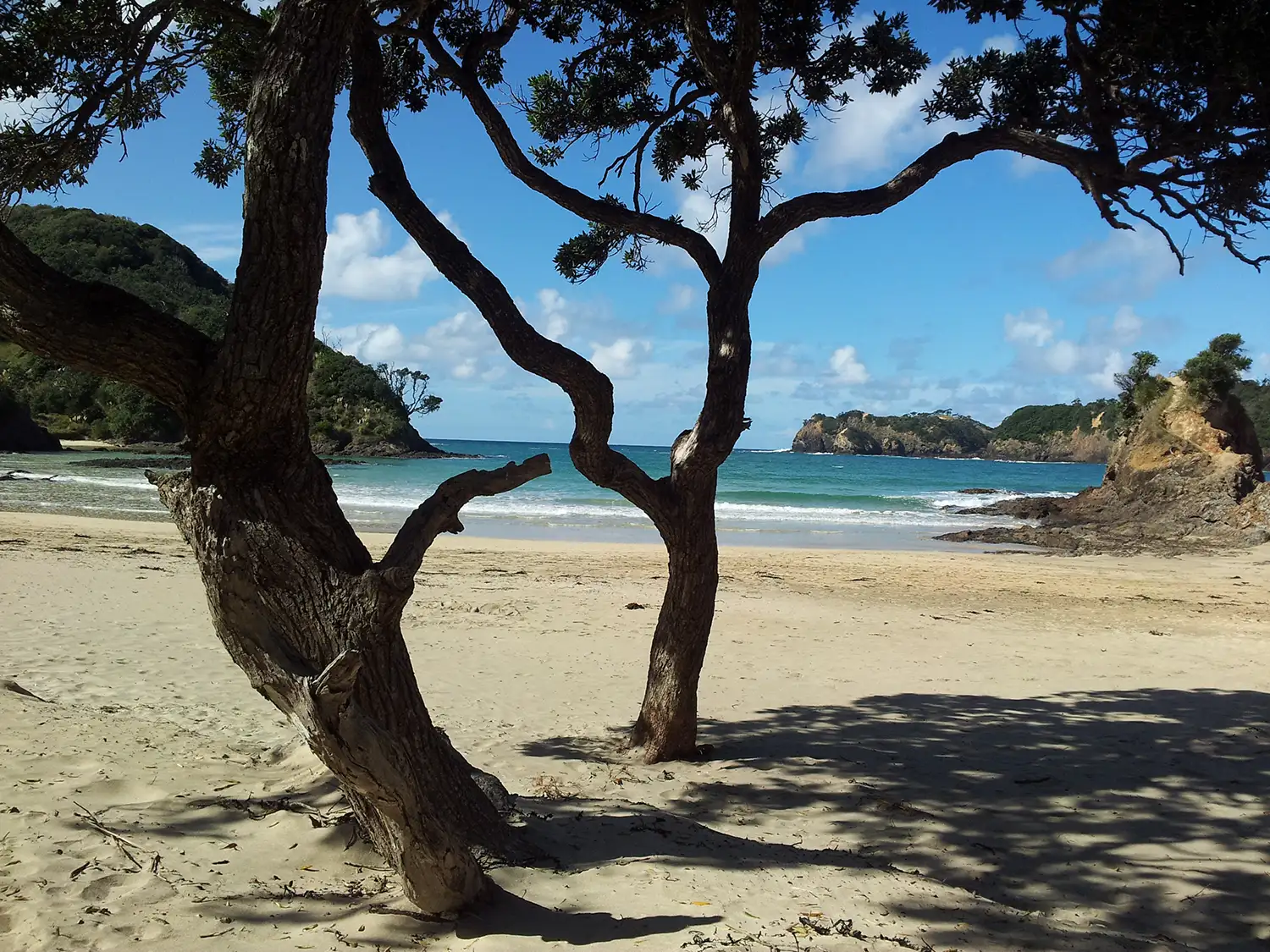
If Whale Bay is the Tutukaka Coast’s hidden treasure, Matapouri Beach is the kind of place that reminds you exactly why Northland summers are legendary. I spent a lot of my childhood here, back when it was a long hot drive on a dusty gravel road without air conditioning! This gorgeous crescent of white sand and turquoise water has been winning over Kiwi families for generations, and despite appearing on countless “Best Beaches in New Zealand” lists, it somehow manages to retain that laid-back bach (holiday home) settlement vibe that makes it feel authentically local rather than overtly touristy.
Getting There: Easy Access with a Remote Feel
Located only 40 minutes northeast of Whangārei, Matapouri sits on the Tutukaka Coast between Ngunguru and Sandy Bay. The drive itself is part of the experience, following the coast road through pockets of native bush and past glimpses of the Pacific that’ll have you reaching for your camera more than once.
From Whangārei, head north through Tikipunga, following the signs for Whangārei Falls and the Tutukaka Coast. The route takes you through Ngunguru (worth a quick stop if you need petrol or supplies) and past Tutukaka Marina before reaching the turnoff to Matapouri. The entire drive is well-signposted, and you’ll know you’re getting close when the road starts winding through rolling coastal hills with the occasional glimpse of brilliant blue water between the Pohutukawa.
Unlike Whale Bay, you can drive right down to Matapouri Beach, with several parking areas available. The main beach access is at the southern end where you’ll find the bulk of the parking and direct beach access. There’s additional parking along Matapouri Road and near the small local dairy. During peak summer (especially January), parking can be tight, so arriving before 10am or after 3pm is a smart move if you want to avoid circling for a spot. The locals get a bit testy about inconsiderate parking, so please don’t block driveways.
The Beach Itself: Picture-Perfect Northland
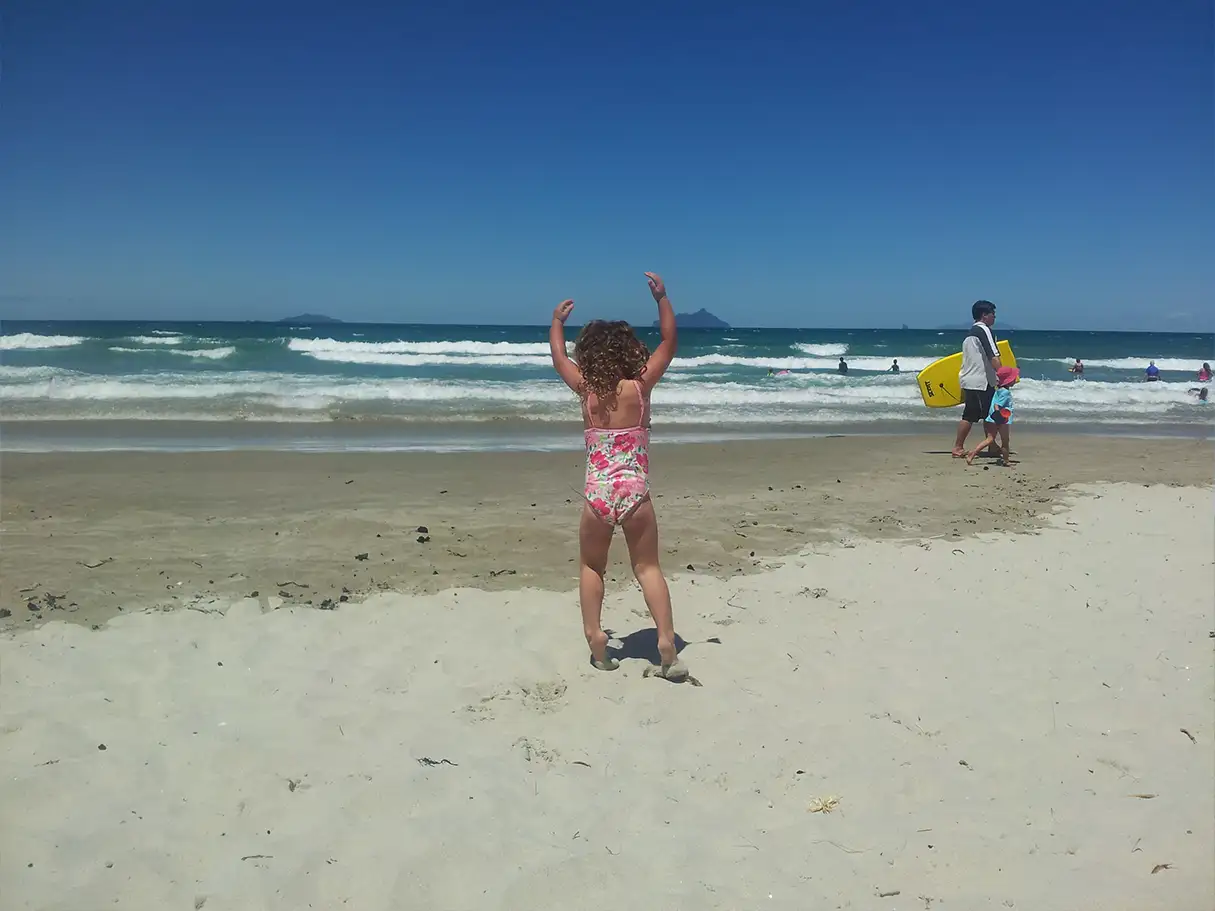
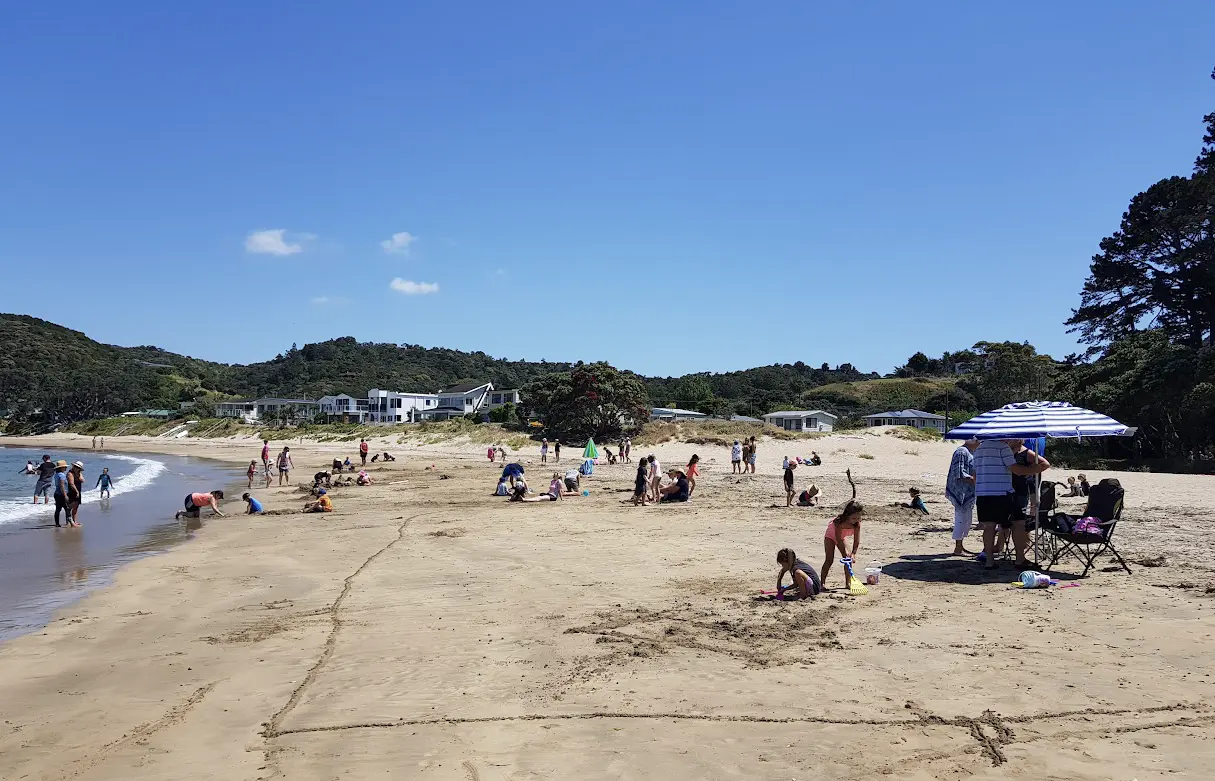
Matapouri Beach stretches for about 1.5 kilometres in a perfect crescent, bookended by rocky headlands that frame the bay beautifully. The sand is that fine, pale variety that squeaks under your feet when it’s dry and doesn’t turn into a gluggy mess when wet – perfect for both sunbathing and the obligatory sandcastle construction that happens when you’ve got kids in tow.
The water here is consistently clear, often taking on that luminous turquoise colour that makes people question whether you’ve edited your photos. The bay’s orientation provides natural shelter from the prevailing winds and swells, creating relatively calm conditions that are ideal for families with young children. The sandy bottom slopes gradually, so there’s no sudden drop-offs, and you can wade out quite a distance before the water gets over your head.
What sets Matapouri apart from some of the more exposed Northland beaches is this sheltered nature. While spots like Sandy Bay (just up the coast) can have decent surf, Matapouri tends to be gentler. Think gentle rollers rather than crashing waves. This makes it brilliant for introducing kids to the ocean, for floating around on inflatable toys, or for those of us who prefer our swimming without the constant battle against waves.
Two Beaches in One: The Sandy Estuary
One of Matapouri’s unique features is the small tidal estuary at the southern end of the main beach. Fed by a small stream, this creates a protected lagoon area that’s particularly popular with families who have very young children. At high tide, it’s deep enough for a proper swim; at low tide, it becomes a shallow paddling area where toddlers can splash about safely while parents relax nearby.
The estuary water is warmer than the ocean (especially later in summer when it’s had months to heat up), and the surrounding grass and trees provide natural shade. You’ll often find families setting up here for the day, letting the kids rotate between the estuary and the main beach depending on their energy levels and bravery.
Activities Beyond Swimming
While most people come to Matapouri primarily to swim and sunbathe, there’s plenty more to keep you occupied if you’re the restless type.
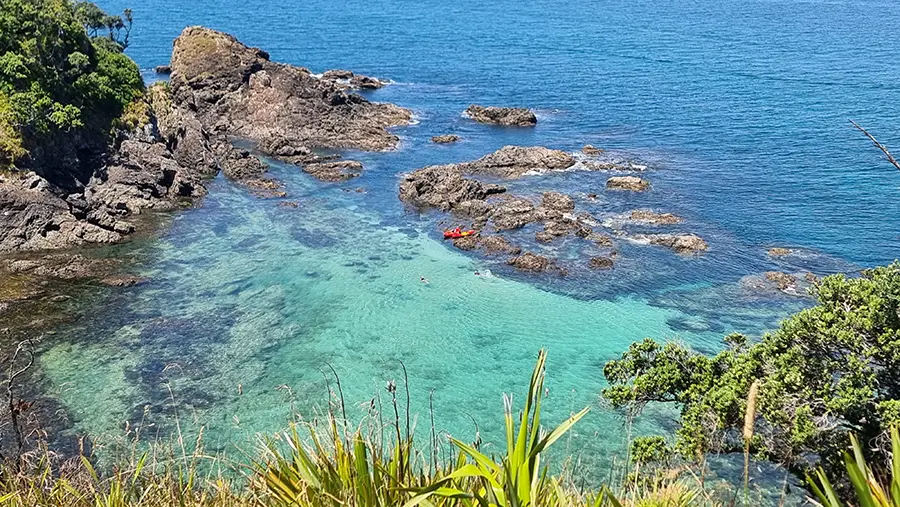
Snorkelling: The rocky areas at both ends of the beach are excellent for snorkelling. The northern end, where the headland track begins, has particularly good spots with decent water clarity and interesting marine life. You’ll spot schools of small fish, the occasional blue maomao, and various sea stars and crabs in the rocky pools. The water clarity here rivals Whale Bay’s, though it’s slightly less calm due to being more exposed.
Rock Scrambling: The rocky outcrops and small headlands around the bay are brilliant for exploring, particularly at low tide. There are numerous rock pools to investigate, and if you’re careful and confident, you can scramble around the rocks to access smaller coves and secluded spots. Just watch the tide! Getting cut off on a rock outcrop is no fun, and the sea rescues that happen here most summers could easily be avoided with a bit of tide awareness.
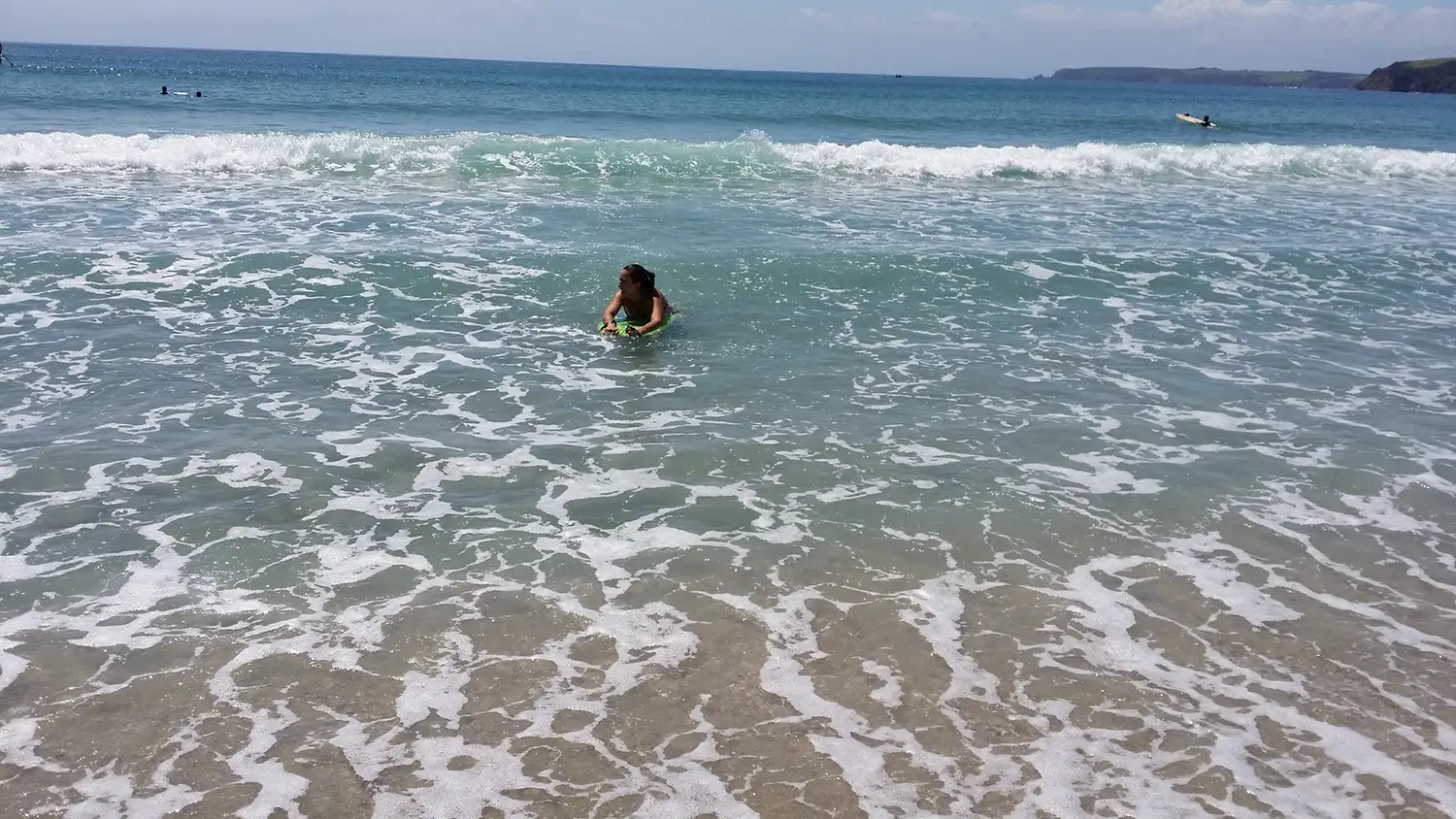
Surfing: While Matapouri isn’t primarily known as a surf beach, you can occasionally catch small waves, particularly at the northern end. If you’re a learner or prefer mellow conditions, this can actually be ideal, with enough wave to have a go without the intimidation factor of the bigger breaks at Sandy Bay. Body boarding is particularly popular here with teenagers.
Beach Walks: The firm sand at Matapouri makes it excellent for long beach walks, particularly at low tide when the beach opens up. Walk the full length and you’ll cover about 3 kilometres return, with constantly changing views of the bay, the offshore islands, and the coastal hills behind the settlement. If you have someone to woo, this is the place!
The Matapouri Headland Track: Link to Whale Bay
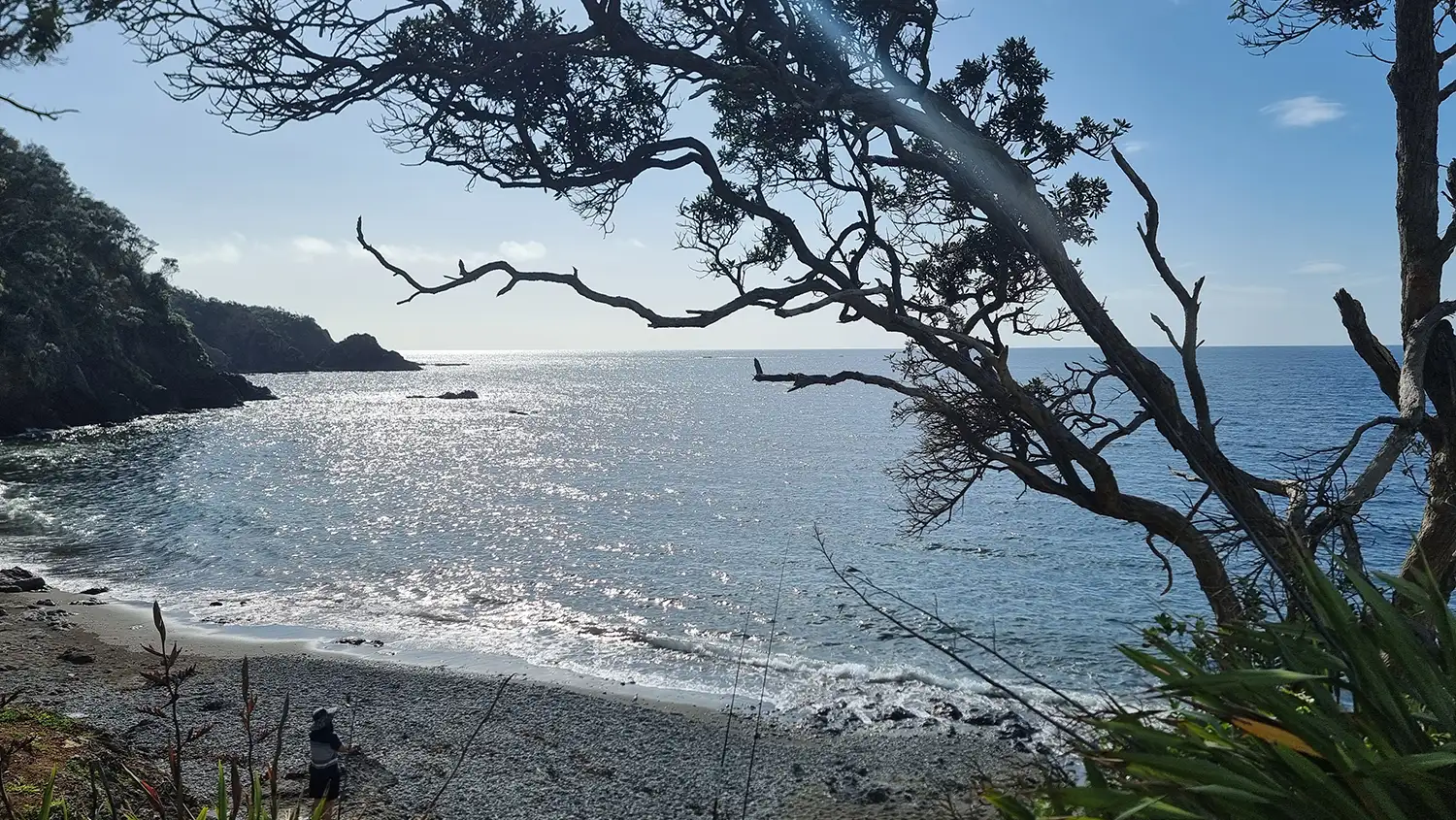
At the northern end of Matapouri Beach, you’ll spot a clearly marked track heading up the headland. This is the start of one of Northland’s most scenic coastal walks, connecting Matapouri to Whale Bay. The full track takes about 40 minutes to Whale Bay (30 minutes if you’re fit and moving well), winding along the clifftops with absolutely spectacular views.
The track is well-maintained and suitable for anyone with reasonable fitness, though it does involve some reasonably steep sections and numerous steps. The payoff is worth every puff. You’ll get panoramic views across Matapouri Bay, out to the Poor Knights Islands on clear days, and eventually down into Whale Bay itself. There are several lookout points along the way where you can stop for photos or just to catch your breath while pretending to admire the view.
If you’re planning to do the full loop (Matapouri to Whale Bay and back via the inland track), allow at least two to three hours and pack water, snacks, and sun protection. The midday sun on these exposed headlands can be brutal in summer. Many people make a day of it, swimming at Matapouri, walking to Whale Bay for another swim, and then returning via either the headland or the inland route through Morrison Reserve.
The Village: Classic Kiwi Bach Settlement
Matapouri village is tiny. We’re talking one shop, one road in, and a collection of holiday homes and permanent residences that define the term “bach settlement.” The local dairy, situated on the corner where you turn toward the beach, is an institution. It stocks everything you need for a beach day: cold drinks, ice creams, fish and chips, basic groceries, newspapers, and all the usual convenience store fare. The fish and chips are actually pretty decent, and there’s something inherently satisfying about eating them on the beach as the sun sets.
The shop also serves as the village’s informal information centre and social hub. The folks behind the counter can tell you about tide times, track conditions, and where the best spots are for whatever you’re planning. They’re also good about warning visitors when parking is getting tight or if weather’s moving in.
Beyond the dairy, Matapouri is mainly residential; a mix of older baches that have been in families for generations and newer holiday homes. There’s no commercial development to speak of, no beachfront cafes or souvenir shops, which is refreshing in an age where every scenic spot seems to sprout tourist infrastructure. The Matapouri community has actively resisted overdevelopment, and long may it continue!
Facilities and Practical Matters
Matapouri is well-equipped for a day at the beach, though don’t expect fancy amenities:
Toilets: Public toilets are located near the main beach access at the end of Wehiwehi Road (turn off where the Dairy is). They were last upgraded in December 2025.
Parking: Multiple parking areas along Matapouri Road and near the beach. Free, but can fill up in summer. You can legally park on the grass along the side of the road.
Shade: There is limited natural shade on the beach itself, though there are some Pohutukawa trees at the southern end and around the estuary. Bring an umbrella or pop-up shelter if you’re planning to spend all day.
Food and Drink: The dairy has you covered for basics, but if you want more substantial food options, Tutukaka (10 minutes away) has several cafes and restaurants.
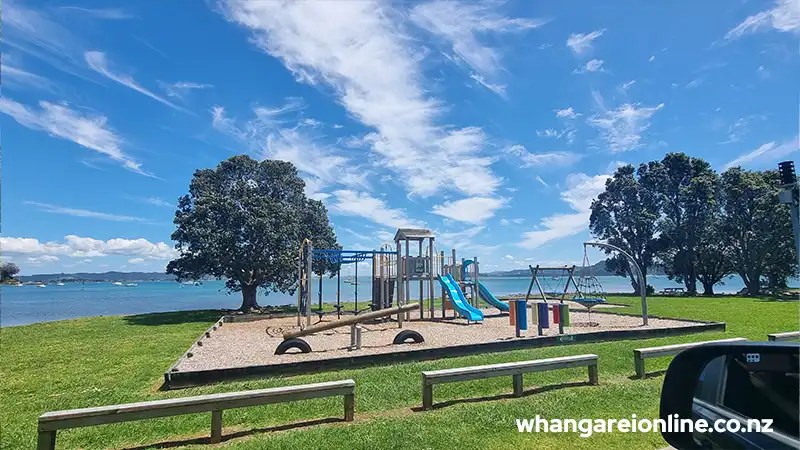
Playground: There’s a small playground near the estuary, basic but functional for younger kids.
Mobile Coverage: Generally good, though signal can be patchy in spots.
Water Quality: Consistently excellent. The council monitors swimming water quality throughout summer, and Matapouri consistently scores well. The stream-fed estuary occasionally gets a temporary advisory after heavy rain, but the main beach is virtually always safe.
Best Times to Visit
Summer (December-February): Peak season, and understandably so. Water temperatures reach their maximum (19-23°C), weather is reliably sunny, and the Pohutukawa trees burst into their brilliant red bloom, creating spectacular photo opportunities. This is family holiday territory, so expect the beach to be well-populated, though it rarely feels crowded given its size. Arrive early for parking.
Autumn (March-May): My personal favourite. The water stays warm well into April, crowds thin considerably after school holidays end, and the light takes on that gorgeous golden quality that makes everything look softer. This is the time for peaceful beach days and having the track to Whale Bay practically to yourself.
Winter (June-August): Too cold for most people to swim (water temps drop to 15-16°C), but brilliant for beach walks. The storms that roll through in winter are dramatic to watch from the safety of the shore, and you’ll have the beach almost entirely to yourself. Bring a thermos of something hot and embrace the windswept, contemplative beach walk vibe.
Spring (September-November): Variable but can be lovely. Early spring is often still too cold for comfortable swimming, but by late October/early November, you can get beautiful calm days with warming water. This is an underrated time to visit – you get decent weather, no crowds, and the native bush along the tracks is alive with bird song.
Nearby Attractions and Activities
Matapouri serves as an excellent base for exploring the wider Tutukaka Coast:
- Tutukaka Marina (10 minutes): The departure point for trips to the Poor Knights Islands, consistently rated as one of the world’s top ten dive sites. Even if you’re not a diver, the snorkelling trips are spectacular. The marina also has several good restaurants – Schnappa Rock does excellent seafood, and The Marina Pizzeria serves up proper wood-fired pizzas.
- Sandy Bay (5 minutes): The coast’s premier surf beach, usually offering slightly bigger waves than other local beaches. Great for watching surfers or having a go yourself if you’re learning.
- Ngunguru (15 minutes): A picturesque coastal village with a beautiful estuary perfect for kayaking and paddleboarding. The village has cafes, a pub, and basic services.
- Whangārei Falls (35 minutes): A stunning 26-metre waterfall in an easy-to-access bush setting. The falls are right in Whangarei and make an excellent addition to a day out.
- Poor Knights Islands: These offshore islands are a marine reserve and absolute paradise for divers and snorkellers. Jacques Cousteau rated them as one of the world’s top diving destinations. Multiple operators run daily trips from Tutukaka.
The Mermaid Pools
The Mermaid Pools is a tricky situation, given they’re technically accessible from Matapouri (though please don’t try). The pools, which became Instagram-famous several years ago, are currently under rāhui (a temporary ritual prohibition) placed by the local hapū, Te Whānau ā Rangiwhakaahu.
The pools were loved to death, essentially. Thousands of visitors descended on them, leaving behind human waste, sunscreen, rubbish, and disrespect. The pools, once pristine, became polluted and damaged. The access track became eroded and dangerous. The local iwi were left dealing with the mess while their sacred places were treated as just another Instagram backdrop.
Please respect the rāhui. Don’t attempt to visit the Mermaid Pools. The track is still technically open as it’s a legal access route to other areas, but using it to access the pools is disrespectful and potentially dangerous (there have been serious injuries and at least one death).
The Mermaid Pools situation should serve as a cautionary tale about loving our natural places responsibly. Matapouri Beach itself offers everything you could want; crystal-clear water, interesting rock pools, snorkelling, and natural beauty, without needing to chase Instagram fame at the expense of cultural respect and environmental protection.
Cultural Significance and History
Matapouri and the surrounding coast have deep significance for local Māori, particularly Ngāti Wai and its hapū. The area has been occupied for centuries, with multiple pā sites on the headlands and evidence of extensive settlement. The name Matapouri itself comes from te reo Māori (the Māori language).
The Matapōuri Marae serves Ngāti Rehua, Ngāti Toki-ki-te-Moananui, and Te Whānau ā Rangiwhakaahu, and includes the Te Tokomanawa o te Aroha meeting house. The marae continues to be an important focal point for the community, hosting cultural events, ceremonies, and gatherings.
European settlement in the area began in earnest in the mid-1800s, with farming and later whaling and flax trading becoming important industries. The modern bach settlement largely developed in the mid-20th century as Whangārei families built simple holiday homes along this stunning stretch of coast.
Understanding and respecting this history is part of being a responsible visitor. When you’re at Matapouri, you’re on ancestral lands that have been cherished and cared for by tangata whenua (local Māori people) for generations. The least we can do is treat these places with the respect they deserve.
Family-Friendly Features
Matapouri genuinely shines as a family beach, and there are several reasons why it’s been a favourite for Kiwi families for decades:
- Safe Swimming: The sheltered bay, gentle gradient, and sandy bottom make it ideal for kids learning to swim or gaining confidence in the ocean.
- The Estuary: The tidal estuary at the southern end provides a protected, warmer alternative for very young children.
- Manageable Size: The beach is large enough not to feel cramped but small enough that you can easily keep an eye on kids.
- Facilities: Public toilets, nearby shop for forgotten items or ice cream emergencies, and a small playground.
- Rock Pools: Endless entertainment for kids who like exploring – there are crabs, sea stars, small fish, and various marine creatures to discover.
- Relatively Calm Water: Far fewer rips and dangerous conditions than more exposed beaches.
- Easy Access: No lengthy walks with all the beach gear – you can park relatively close to the sand.
Practical Tips and Local Knowledge
- Tide Awareness: Check the tide times before you visit. Low tide exposes more beach and makes walking easier, but high tide is better for swimming and creates the best conditions in the estuary. Spring tides can significantly reduce the amount of dry sand available.
- Sun Protection: The Northland sun is brutal. Bring plenty of sunscreen, a hat, and consider a beach umbrella or pop-up shelter. The UV levels in Northland are among the highest in the world during summer.
- Pack Everything: While the dairy covers basics, bring everything you need for a proper beach day: water (bring way more than you think you need), food, towels, snorkelling gear, and a bag for rubbish.
- Snorkelling Gear: Absolutely worth bringing. The clarity and marine life make it worthwhile, and you’ll kick yourself if you don’t have gear when conditions are perfect.
- Water Shoes: Not essential but useful, particularly if you’re exploring the rocky areas where there might be kina (sea urchins).
- Insect Repellent: Sand flies can be a nuisance at dawn and dusk, particularly near the estuary or if there’s been rain.
Conservation and Beach Etiquette
Matapouri’s beauty is maintained through a combination of official conservation efforts and visitor responsibility. Here’s how to do your part:
- Rubbish: Pack out everything you bring in. There are no bins at the beach, and there shouldn’t be – bins attract gulls and vermin and rarely get emptied frequently enough in peak season. If you pack it in, you can pack it out. Be a tidy Kiwi!
- Respect the Dunes: Don’t walk on or climb the dunes. They’re fragile ecosystems that prevent erosion, and trampling them causes damage that takes years to recover from.
- Leave Wildlife Alone: Don’t remove shells, sea stars, crabs, or anything else from rock pools. Look, photograph, and leave everything where you found it.
- Respect Private Property: The settlement has lots of private property near the beach. Don’t use private paths, driveways, or facilities, and don’t peer into people’s homes because you think they have a nice view.
- Dogs: Check current regulations, but generally dogs are prohibited on the beach during peak summer season and must be on leads at other times. This is to protect native wildlife and ensure safety for all beach users.
- Fires: No fires on the beach. Full stop. Fire restrictions are taken seriously for good reason. This is an area of outstanding natural beauty. Imagine if your fire burnt it all down!
- Respect Cultural Sites: If you see any sites marked as culturally significant, stay out and don’t disturb them.
Safety Considerations
While Matapouri is relatively safe compared to more exposed beaches, basic water safety still applies:
- No Lifeguards: This beach is not patrolled. You’re swimming at your own risk. Always supervise children, even in seemingly calm conditions.
- Rips Can Occur: While less common than at surf beaches, rips can develop, particularly when there’s a decent swell or around the high tide. If you get caught in a rip, don’t panic, don’t try to swim directly against it, swim parallel to the beach until you’re out of the current, then swim to shore.
- Check Conditions: If there’s been heavy rain, avoid swimming for 48-72 hours as storm water runoff can affect water quality. This applies to all Northland beaches.
- Rock Scrambling: If you’re exploring the rocky areas, wear appropriate footwear and watch the tide. Getting cut off on an outcrop isn’t fun. And be careful of falling, rocks are unforgiving!
- Sun Exposure: More people get in trouble from sun exposure and dehydration than from water hazards. Bring shade, drink plenty of water, and take breaks out of the sun.
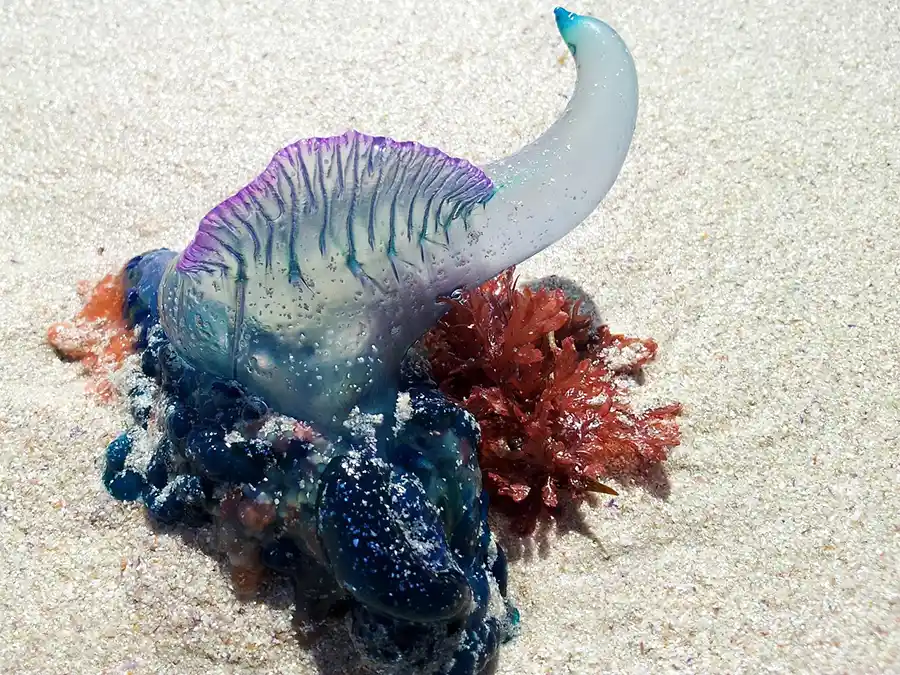
- Marine Life: We don’t (usually) have dangerous sharks or jellyfish at Matapouri, but pay attention to where you’re putting your hands and feet. Kina (sea urchins) spines are painful, and you can occasionally encounter stinging jellyfish. The Bluebottle jellyfish or “Portuguese man o’ war” sometimes wash up and can still sting you. They’re often dehydrated and much less pretty than this one!
Photography Opportunities
Matapouri is exceptionally photogenic, offering multiple photography opportunities:
Dawn: The bay faces roughly northeast, making it excellent for sunrise shots. The water often has a glassy quality early morning, and if you’re lucky, you might catch mist rising off the estuary.
The Headland Lookouts: The track to Whale Bay provides elevated viewpoints looking back over Matapouri Bay that are absolutely stunning. Late afternoon light is particularly beautiful from these vantage points.
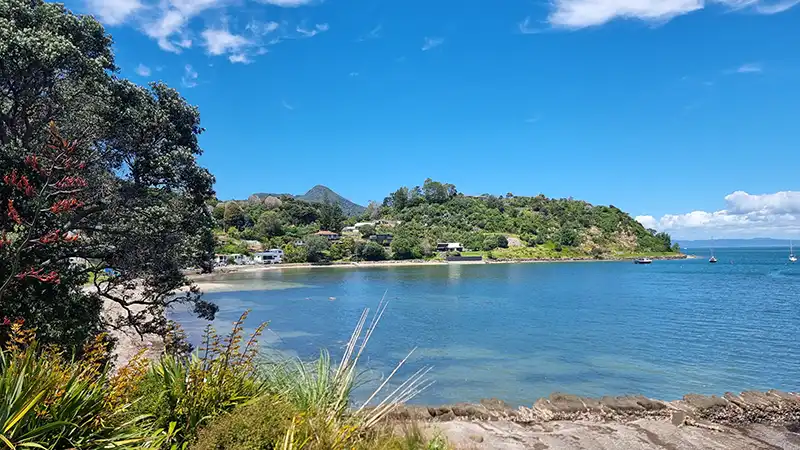
Pohutukawa Season: Late December through January, when the Pohutukawa trees are in bloom, creates spectacular red-against-blue-water compositions.
Rock Pool Details: The rock pools at low tide are full of interesting textures, colours, and small marine life, excellent for macro photography.
Storm Photography: In winter, watching and photographing storms roll in can be dramatic, though be careful of your equipment in the salt spray and wind.
Accommodation near Matapouri
If you want to spend more than a day at Matapouri (and why wouldn’t you?), options include:
Holiday Homes: There are numerous private holiday homes available for rent in the area. These range from basic baches to more upmarket properties.
Nearby Motels and Hotels: Tutukaka has several accommodation options including the Quality Hotel Oceans Tutukaka, which has ocean views and is about 10 minutes away.
Camping: There’s no formal campground at Matapouri itself, though self-contained freedom camping is permitted in designated areas (rules change, so check current regulations with Whangārei District Council).
Further Afield: Whangārei (40 minutes) has a full range of accommodation from budget to luxury if you want to use it as a base for exploring the coast.
Book well ahead if you’re planning to stay over the Christmas-January period, as accommodation in the area gets snapped up quickly by families with regular bookings.
Why Matapouri Matters
In a country blessed with spectacular beaches, Matapouri still manages to stand out. It’s not the wildest, remotest, or most dramatic of Northland’s beaches, but it might just be the most balanced, accessible enough to bring the family for a day trip, beautiful enough to feature in tourism campaigns, safe enough for confident swimming, but still retaining that authentic Kiwi beach character.
The fact that Matapouri has resisted the kind of development that has changed the character of other popular beaches is worth celebrating. There’s no strip of cafes, no jet ski rental operations, no beachfront resort. It’s still a place where families return year after year, where locals swim daily, where the rhythms of the tide matter more than tourist seasons.
Keeping it Kiwi
Matapouri Beach represents what New Zealand beach culture is supposed to be about – beautiful, accessible, unpretentious, and community-focused. It’s a beach that works equally well whether you’re a local popping down for a quick swim after work, a family spending a week in a bach, or a visitor exploring the Tutukaka Coast’s attractions.
The combination of safe swimming, stunning scenery, excellent snorkelling, connection to Whale Bay via the coastal track, and that authentic bach settlement atmosphere makes it genuinely special. Yes, it’s popular, but its size and layout mean it rarely feels genuinely crowded even on busy days.
If you’re planning a trip to Northland, make sure Matapouri Beach is on your list. Spend a few hours swimming and exploring the beach, grab fish and chips from the dairy, walk up to the headland lookout as the sun gets lower, and you’ll understand exactly why this place has been winning over Kiwis for generations. Just remember that its continued beauty depends on every visitor treating it with respect – take your rubbish, follow the rules, respect cultural sites, and help ensure that future generations get to experience the same magic.
Whether you’re making it a quick stop on your way up the coast or settling in for a proper beach holiday, Matapouri delivers everything you could want from a Northland summer. Crystal-clear water, safe swimming, stunning scenery, and that indefinable quality that makes some beaches feel special – Matapouri has it all!