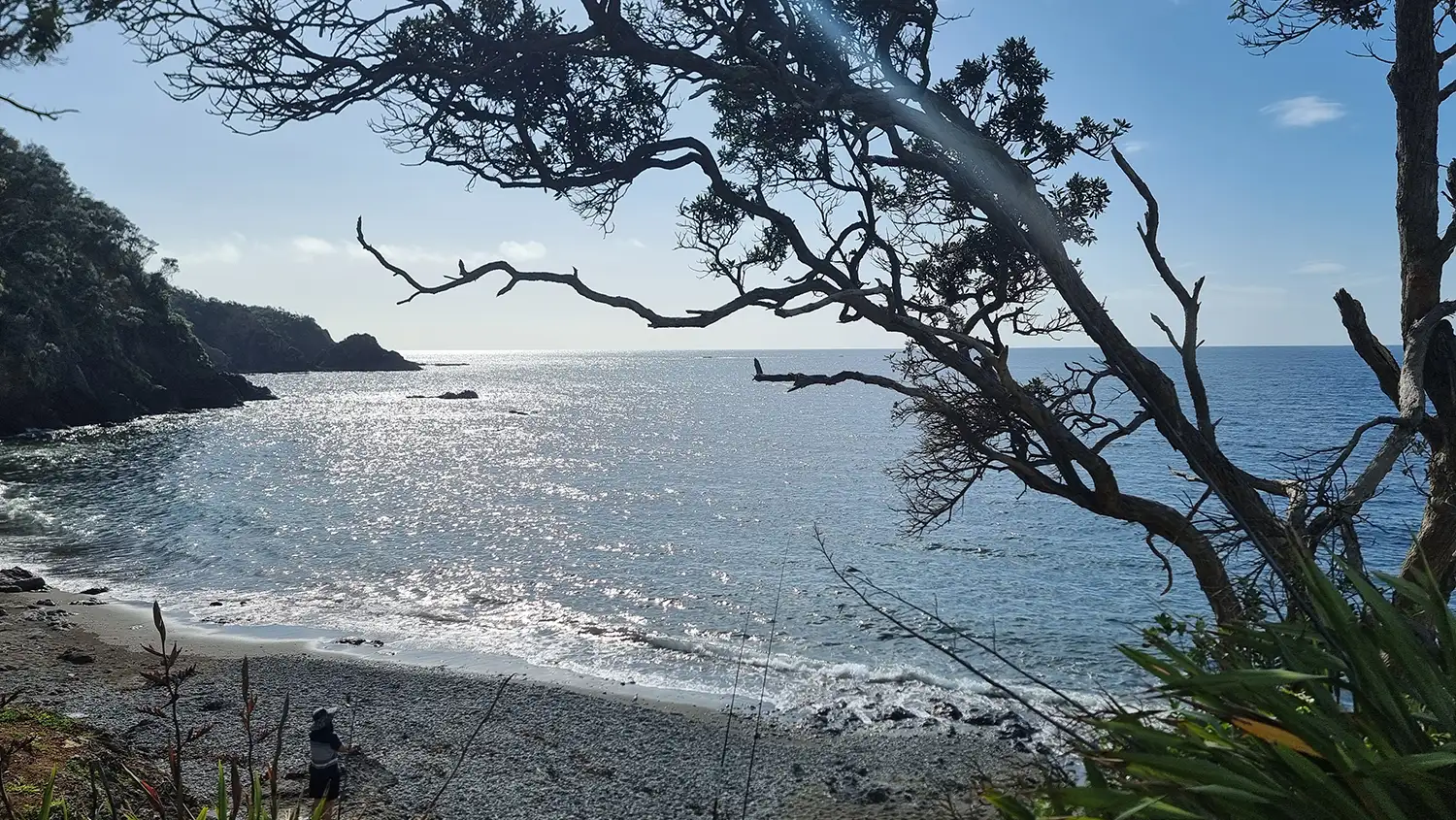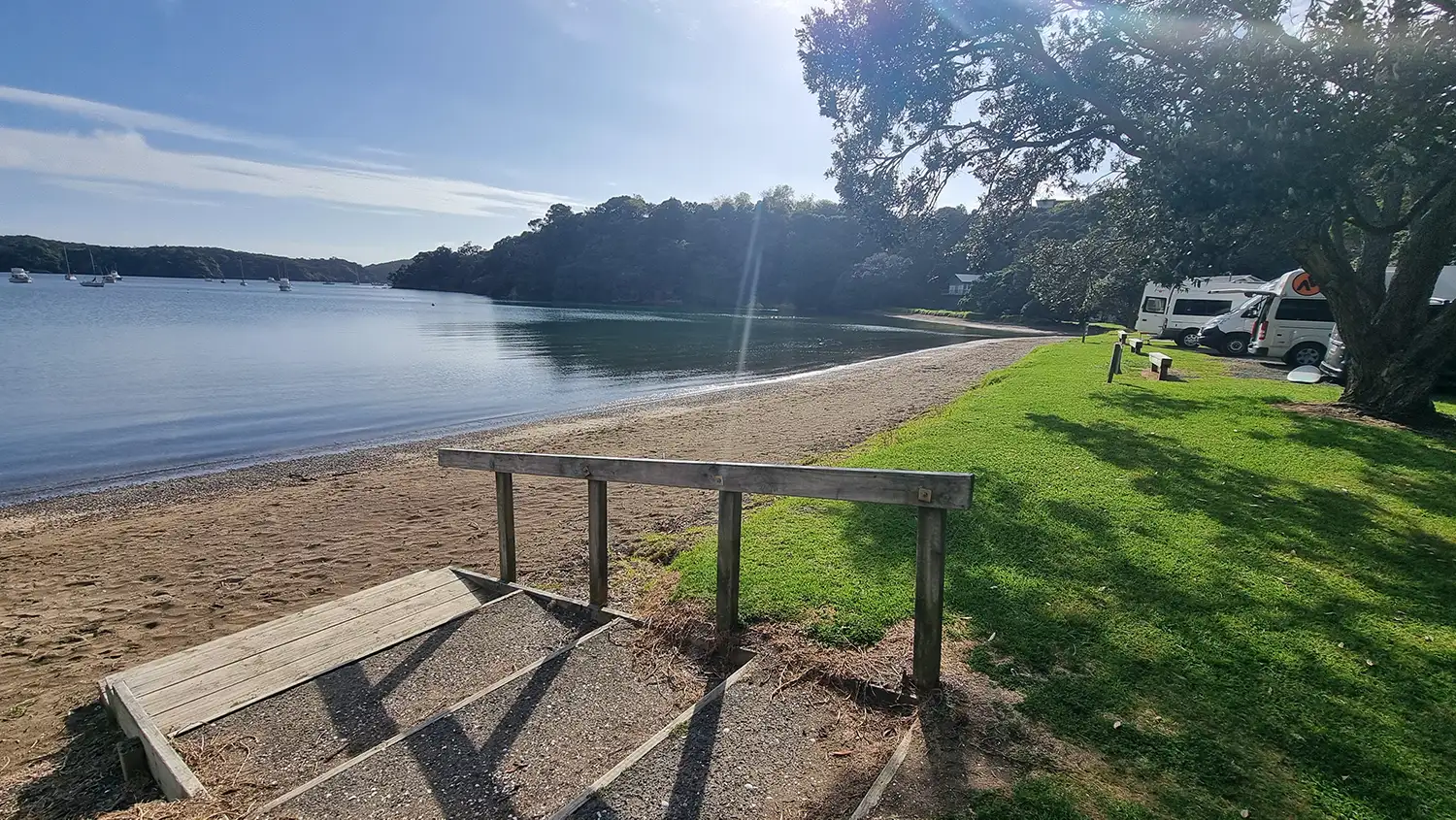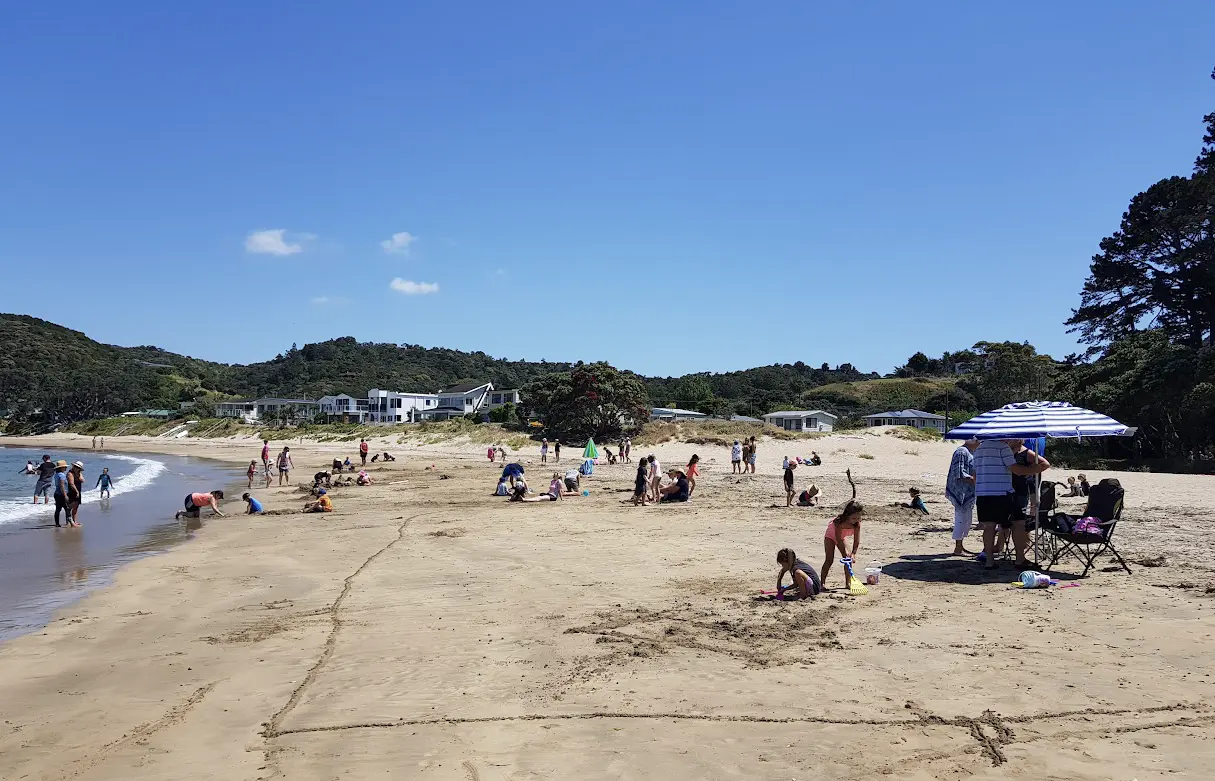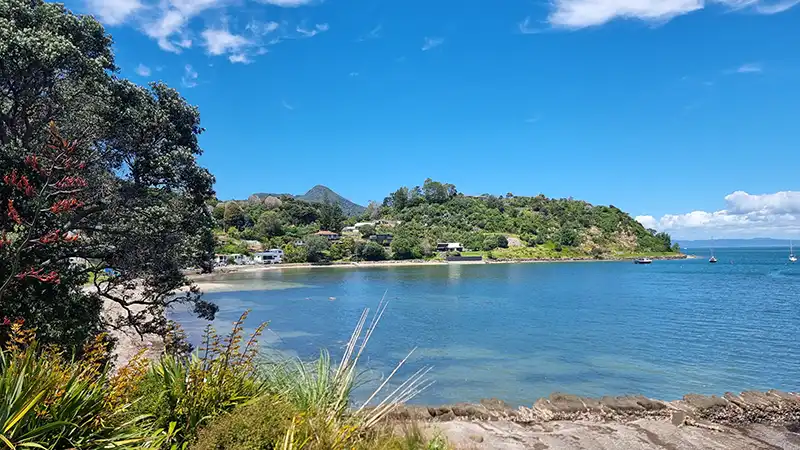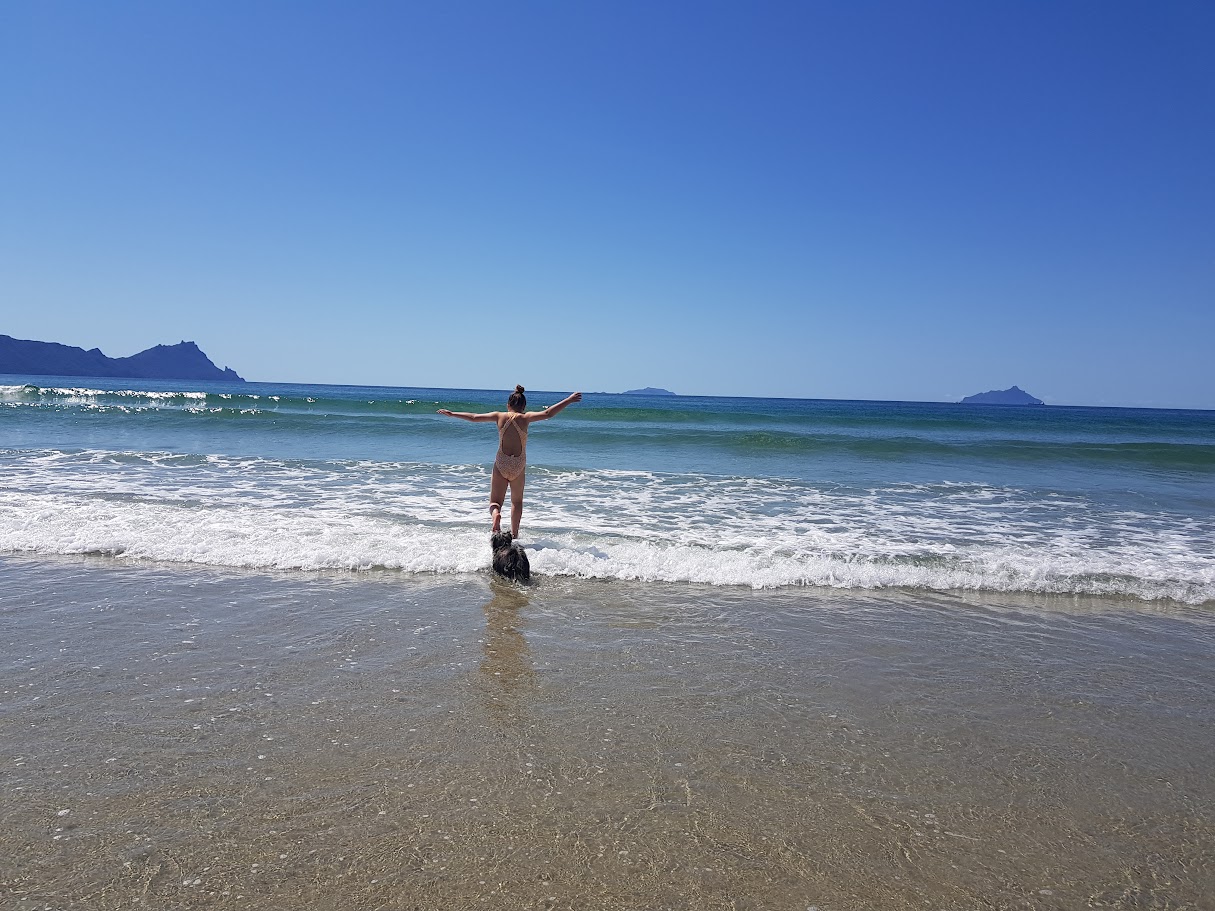
Uretiti Beach is one of Northland’s more peaceful coastal escapes, a 5km (3-mile) stretch of white sand on Bream Bay where you can genuinely find space to yourself. Located 34km (21 miles) south of Whangarei and just 5km (3 miles) north of Waipu, this beach offers something different from the typical Kiwi beach experience. There are no cafes, no surf patrol, no marked carparks with facilities, just a long, beautiful beach backed by dunes and a well-run Department of Conservation campground. Whether you’re after a quiet day walk, a weekend camping trip, or part of the Te Araroa trail, Uretiti delivers an unhurried, back-to-basics beach experience.
Uretiti and Bream Bay
Uretiti Beach is part of Bream Bay, that sweeping 22km (14-mile) expanse of coastline stretching from Marsden Point in the north to Bream Tail near Langs Beach in the south. Captain Cook named Bream Bay in the 1770s, mistaking snapper for bream, a name that stuck despite the fish identification error.
The beach runs for approximately 5km (3 miles) and forms part of a 10km (6-mile) continuous stretch of sand along Bream Bay. At the northern end, there is the ever-popular Ruakākā Beach, while the southern end borders the Waipu Wildlife Refuge, an important habitat for coastal birds.
The name Uretiti predates European settlement. Local belief suggests the area was named after the breeding ground of the titi bird (also known as muttonbird or sooty shearwater), though the exact meaning has been somewhat lost to time.
Uretiti Beach faces almost due east into Bream Bay, which means you get beautiful sunrise views but also exposure to ocean swells. The beach is part of Te Araroa, New Zealand’s 3,000km (1,864-mile) walking trail that runs the length of the country, so you’ll occasionally see long-distance hikers passing through.
The beach sits within the Uretiti Recreation Reserve and Uretiti Scenic Reserve, both managed by the Department of Conservation. The Hen and Chicken Islands lie approximately 25km (16 miles) offshore to the east.
Getting There and Parking
Access to Uretiti Beach is straightforward, with the beach located right off State Highway 1. From Whangarei city centre, it’s about 34km (21 miles) south on SH1, roughly a 30-minute drive. From Auckland, you’re looking at about 2 hours north. From Waipu, it’s just 5km (3 miles) north, a quick 5-minute drive.
Exit State Highway 1 at the clearly signposted Uretiti Beach turnoff (look for the brown DOC signs). Follow Uretiti Road through to the entrance of the DOC campground. The beach access is through the campground.
Parking: The main parking is at the DOC campground entrance. If you’re just visiting for the day rather than camping, you can park in the designated day visitor area near the entrance. Parking is free for day visitors. The campground has ample space for cars, campervans, and trailers.
During the peak summer period, particularly over the Christmas and New Year holidays, the campground fills up and parking can be limited. If you’re planning a day visit during this time, arrive early in the morning.
The Beach Itself: What to Expect
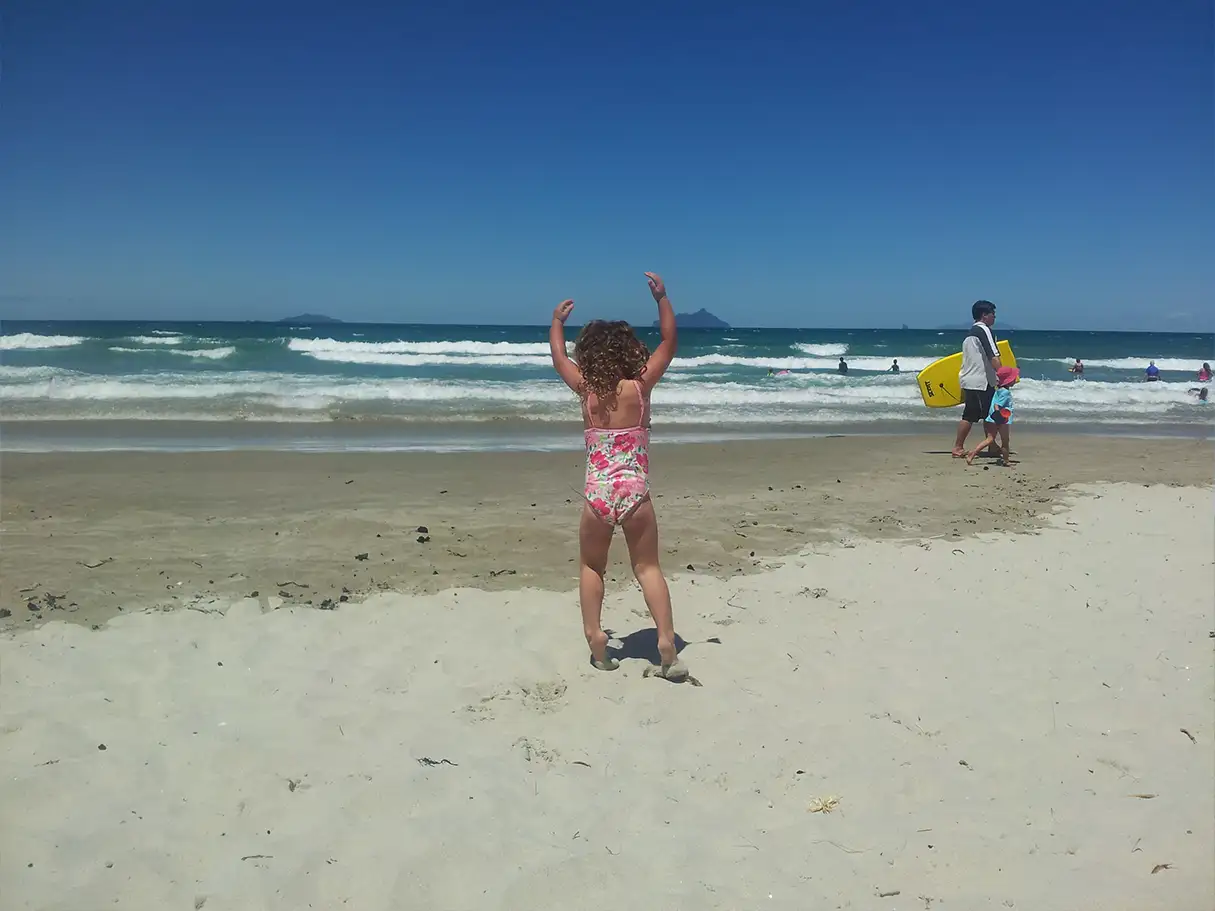
Uretiti Beach has fine, white sand that stretches for miles. The sand is soft and comfortable for walking, and at low tide, the beach is wide and firm near the water’s edge, perfect for long walks or jogging.
The beach is backed by sand dunes covered in marram grass and native vegetation. These dunes are protected habitat, important for nesting birds and coastal plants. Multiple paths lead from the campground through the dunes to the beach, each taking just a minute or two to walk.
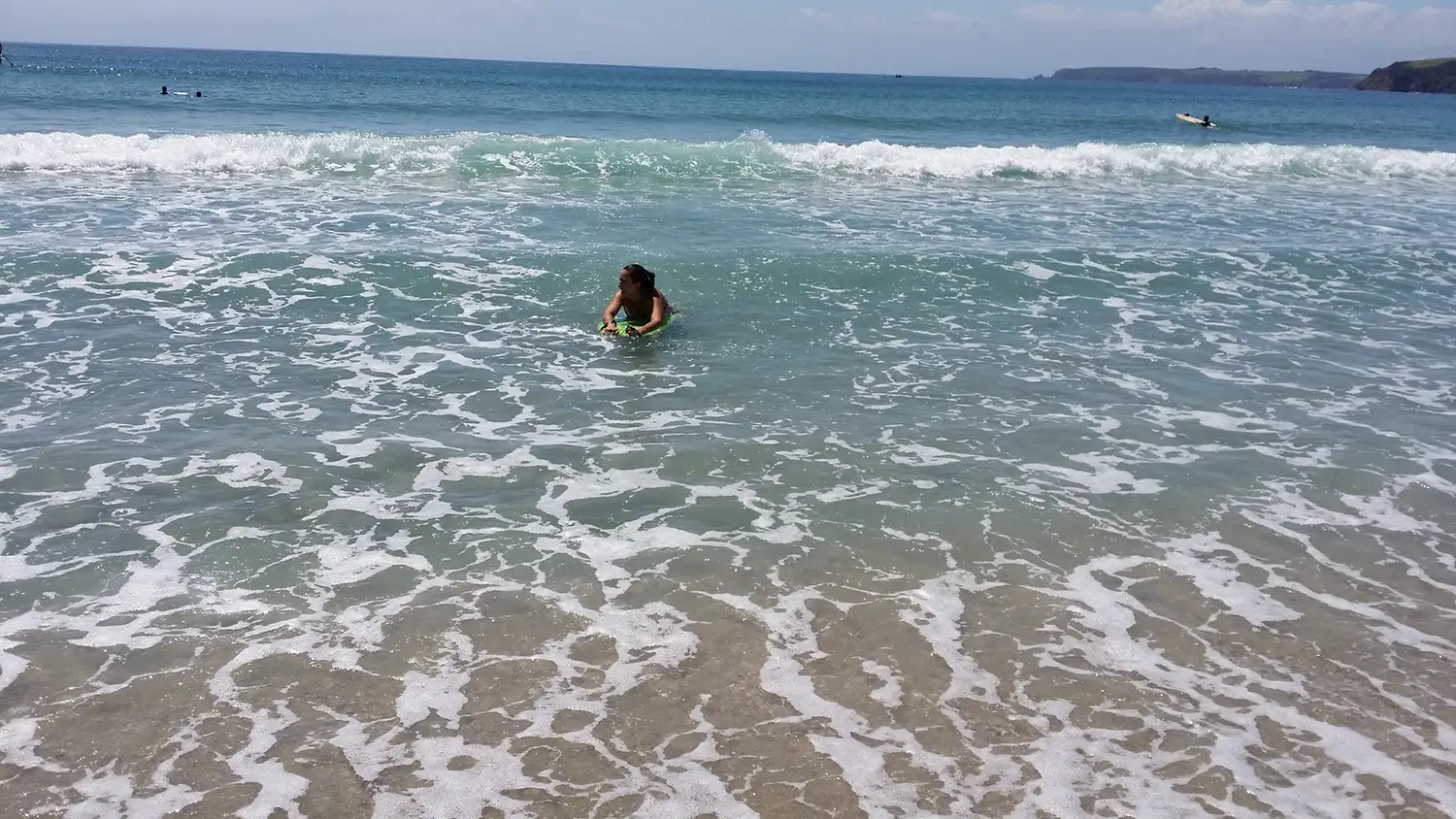
The beach slopes gradually into the water, and the surf varies depending on conditions. On calm days, you’ll find gentle waves suitable for swimming and bodyboarding. When swells come through, the beach offers consistent surf conditions that work for various skill levels. The beach is not patrolled by lifeguards, so swimming and surfing are at your own risk. If you prefer to swim at a beach that is patrolled, go to nearby Ruakākā Beach, which has lifeguards on patrol during the busy summer months.
Even on busy summer days, the 5km length of beach means you can walk a bit south and find a quieter spot. The northern sections closer to Ruakākā tend to be busier, while the southern end towards the Wildlife Refuge is generally more peaceful.
Behind the dunes, you’ll see the coastal reserve with regenerating native bush. The area provides natural shelter from the wind on breezy days, though the exposed east coast location means conditions can be blustery at times.
Swimming and Water Safety
Uretiti Beach is popular for swimming, though it’s important to understand the conditions and risks. Bream Bay can have strong currents and rips, particularly when surf is up. The beach is not patrolled by lifeguards at any time of year.
The Northland Regional Council monitors water quality at Uretiti Beach regularly during summer months. The water consistently passes quality tests for swimming safety. Monitoring results are updated through the LAWA (Land, Air, Water Aotearoa) system, with predictions checked every 15 minutes during the swimming season.
Water Quality: The beach generally has good water quality suitable for swimming. However, after heavy or prolonged rain, avoid swimming for two to three days. Rain flushes contaminants from land into waterways, which can temporarily affect water quality even at beaches that usually have excellent conditions. Always check that the water looks clean and clear before swimming.
You can check current water quality status online through the LAWA website before visiting, which is particularly useful if there’s been recent rain.
Swimming Safety Tips:
- Never swim alone, especially at an unpatrolled beach
- Be aware of rips and currents; if caught in a rip, don’t panic, raise your hand for help and float or swim parallel to the beach
- Watch children at all times, even in shallow water
- Don’t swim under the influence of alcohol
- Be cautious in rough conditions; waves can be unpredictable on this exposed coast
- Assess conditions carefully before entering the water
- If in doubt, stay out
- Consider swimming at nearby Ruakākā Beach if you want lifeguard patrols
DOC recommends that if you wish to swim in Bream Bay, you should use the lifeguard-patrolled section at Ruakākā Beach, particularly if you’re with children or less confident swimmers.
Surfing and Water Sports
Uretiti Beach is popular with surfers and offers consistent wave conditions when swells come through. The beach break works for beginners learning to surf while still providing enough challenge for intermediate surfers. There are no surf schools operating at Uretiti itself, but several operate in the wider area.
The best surf conditions vary with tide and swell direction, though mid to high tide generally produces cleaner waves. As with all surf beaches on the east coast, conditions can change quickly, so always assess the water before paddling out.
Bodyboarding and boogie boarding are popular at Uretiti, particularly with families and younger visitors. The waves are generally suitable for these activities when conditions are moderate.
Other water sports enjoyed at Uretiti include:
- Beach fishing; the beach is popular for surf casting, with species like kahawai and snapper depending on the season (Find local fishing spots here)
- Kayaking, though the exposed location means this is best on calm days
- Kite surfing when wind conditions are suitable
- Walking and running along the firm sand at low tide
Important: Be aware that crab fishing in Bream Bay has proven dangerous, with several drownings occurring in recent years when people have gone out in small dinghies to set crab pots. DOC specifically warns about this hazard.

The DOC Campground
The heart of Uretiti Beach is the Department of Conservation campground, tucked behind the sand dunes. This is a proper camping ground with 300 unpowered tent sites spread across a large, grassy area. The campground has been operating for decades and has a relaxed, friendly atmosphere.
The Setup: Unlike many campgrounds, sites aren’t marked or allocated. When you arrive, you simply drive around and pick your spot, first-come first-served. Some areas are flatter than others, and some offer more shelter from wind, so it pays to have a drive around before you set up. You’re required to leave at least 3 metres between sites.
The campground is spacious, with a mix of grassy areas and some sections with small trees providing shade. Even when the camp is busy (which happens regularly over summer), it doesn’t feel cramped. The atmosphere is laid-back, and campers tend to be respectful of each other’s space.
Facilities: The facilities are basic but well-maintained and clean. The campground has:
- Long-drop toilets (non-flush) located throughout the site; they’re surprisingly clean and not smelly
- Free cold showers in sheltered outdoor areas
- Coin-operated hot showers ($2 for approximately 4-5 minutes)
- Water taps with treated drinking water throughout the site
- Sinks for washing dishes
- A small book exchange library
- Picnic tables in some areas
There are no powered sites, no kitchen facilities, no wifi, and no laundry services (despite some older information suggesting otherwise). The focus is on a back-to-basics camping experience.
Camp Hosts: DOC camp hosts are on-site year-round. The hosts (Steve and Adrien frequently get mentioned by name in reviews) are known for being friendly, helpful, and maintaining the grounds to a high standard. They’re available to answer questions and help with any issues.
2025 Pricing:
- Adults (18+ years): $15 per person per night
- Children (5-17 years): $7.50 per person per night
- Infants (0-4 years): Free
- Te Araroa Trail Pass holders: Discounted rate available
If you have a DOC Campsite Pass, it can be used at Uretiti. You must book online before arriving. If you don’t book in advance, camp staff can make bookings for you, but this incurs a $10 service charge. During busy periods, sites may not be available if you haven’t booked ahead.
Bookings and Rules: Bookings are required year-round and are recommended well in advance for the busy summer season, particularly from mid-December through January. The camp regularly fills to capacity during holiday periods.
- Camp office hours: 8:30am to 9pm
- Camp gates and barrier arms are locked from 9pm to 7am (you need to be inside before 9pm)
- Quiet time after 10pm
- No fires or fireworks at any time (gas BBQs or enclosed BBQs with supplied fuel only)
- No dogs or pets
- Clothing must be worn in the campground at all times
- No driving on the beach
Pack In, Pack Out: The campground operates a strict ‘pack in, pack out’ policy for all waste, including compost and recycling. There are no rubbish bins. You must take all your rubbish with you when you leave.
The Uretiti Recycling Centre is located on Tip Road, about 4km (2.5 miles) from the campsite, if you need to dispose of recycling. For general rubbish, you’ll need to take it to Waipu or Whangarei.
Contact: Phone +64 9 432 1051 or email through the DOC website booking system.
Nearby Amenities and Supplies
There are no shops, cafes, or services at Uretiti Beach itself. The nearest town is Waipu, about 10 minutes’ drive (8km or 5 miles) south.
Waipu township has:
- Four Square supermarket for groceries and supplies
- Waipu Bakery for fresh bread and baked goods
- Butcher
- Pharmacy
- Medical centre
- Petrol station
- Post shop
- Hardware store
- Several cafes and restaurants
Nearby Dining Options: While there’s nothing at the beach itself, Waipu has good options for meals out:
The Cove Cafe, Restaurant & Bar (located at Waipu Cove, about 15 minutes from Uretiti) offers a range of food and beverages in a beautiful beachside setting with views across to Whangarei Heads. Open 9am to late daily. This spot won the people’s choice award for most outstanding restaurant, cafe & bar in the 2020 Northland Hospitality Awards.
Waipu Central (currently operating from a temporary location due to a fire) serves AllPress coffee, cabinet food, fresh salads, and in-house baking. Dog-friendly outdoor seating available.
McLeod’s Pizza Barn is a local favourite for casual dining.
Waipu Cove General Store, if you’re staying at the beach and need quick supplies without driving to town, sells basics like bread, milk, fruit, vegetables, and fish and chips. It’s closer than Waipu township.
For more extensive dining options, Whangarei is 30 minutes north and Ruakākā is about 15 minutes north, both offering additional cafes and restaurants.
A Clothing-Optional Nudist Beach
Uretiti is known as Northland’s most popular beach for naturism. This is an important aspect of the beach’s character and culture, handled with a very Kiwi approach of tolerance and common sense.
The Arrangement: Traditionally, naturists use the southern half of the beach (turn right when you reach the beach from the campground and walk a few minutes south). However, this is a custom rather than an enforced rule. Public nudity is legal on any New Zealand beach where it is “known to occur,” and Uretiti has a long-established naturist community.
Clothing is mandatory in the campground. Campers found breaching this rule are asked to dress or leave the site.
The naturist community at Uretiti is generally described as friendly, relaxed, and respectful. The clothing-optional aspect of the beach is well-established and accepted, and most visitors, whether participating or not, find it a non-issue.
LGBTQ+ Community: Uretiti is an established destination for the LGBTQ+ community, particularly over the New Year period when more than half of the DOC campsite is typically populated by gay and lesbian travellers. There are rainbow-themed gatherings and dance parties at the campsite during this time.
The diverse and accepting atmosphere is considered one of Uretiti’s strengths by many visitors, though it’s worth knowing the character of the place if you’re planning a visit, particularly over the holiday period.
Activities and Attractions
Beyond swimming and surfing, Uretiti and the surrounding area offer several activities:
Beach Walks: The 5km beach is perfect for long walks. At low tide, the firm sand makes for easy walking, and you can cover significant distances. Many people walk from Uretiti north towards Ruakākā or south towards the Wildlife Refuge. As part of Te Araroa, you may see through-hikers with large packs making their way along the coast.
Fishing: Surf casting is popular at Uretiti. The beach offers fishing for kahawai, snapper, and other species depending on the season. Standard fishing regulations apply regarding size and bag limits. Fishing from the beach is free, though you’ll need appropriate gear and knowledge of conditions. Find other fishing spots around Whangarei.
Wildlife Watching: The southern end of Uretiti borders the Waipu Wildlife Refuge, an important habitat for coastal birds. The area is home to various seabirds, skinks, and plant life. Notably, this stretch of coast is one of only four nesting sites for New Zealand’s most endangered bird, the fairy tern (tara iti), with fewer than 40 individuals remaining.
Please observe wildlife from a distance and never disturb nesting areas. The dunes are protected habitat, so stay on designated paths and off the dunes themselves.
Waipu Caves: About a 20-minute drive from Uretiti, Waipu Caves are a popular free attraction with glowworms, stalactites, stalagmites, and limestone formations. The caves are accessible to families, though you’ll need to bring a torch and wear closed shoes that you don’t mind getting wet. There’s a stream to walk through inside the caves.
The Waipu Caves Walking Track starts from the caves and climbs steeply through karst limestone formations to a ridgeline with panoramic views across Whangarei Harbour to Bream Head and out to the Hen and Chicken Islands. The walk is about 2km (1.2 miles) each way and takes roughly 90 minutes return.
Bream Head Scenic Reserve: This reserve offers walking tracks ranging from easy to challenging, with spectacular coastal views. The track to Bream Head (Hauturu-o-Toi) is about 8.7km (5.4 miles) long and takes roughly 2.5 hours, requiring moderate fitness levels. The views from the top are breath-taking.
Other nearby walks include the Te Whara Track and Smugglers Bay Loop Track.
Waipu Cove: About 15 minutes south, Waipu Cove is another beautiful beach with safe swimming, surfing, and a Surf Life Saving Club that patrols during summer. There’s also a surf school if you want lessons. The Cove has a more developed feel with grass areas, picnic tables, and the excellent Cove Cafe right across the road.
Waipu Golf Club: This scenic nine-hole links course sits between Waipu and Ruakākā, overlooking Bream Bay. The course welcomes visitors and has a reputation for some of the best greens in New Zealand. The Linksview Cafe at the clubhouse offers meals with spectacular views.
Horse Riding: Several operators in the area offer horse trekking, including rides on the beach, which is a memorable experience for horse lovers.
Seasonal Considerations
Uretiti Beach is accessible year-round, though each season offers different experiences:
Summer (December-February): Peak season with the warmest weather and busiest beaches. The campground fills up, particularly over the Christmas and New Year period when booking well in advance is essential. Water temperature is warmest, typically 20-23°C (68-73°F). This is when the beach sees the most diverse range of visitors, including the large LGBTQ+ community gatherings over New Year.
Expect some road noise from State Highway 1 at night, particularly noticeable in summer when people are sleeping in tents. It’s not overwhelming but is worth considering if you’re a light sleeper.
Autumn (March-May): Excellent beach weather with fewer crowds once the school holidays end. Water remains warm in early autumn. Weather is often stable and sunny, making this a great time for camping and beach walks without summer’s crowds. The campground is much quieter, and you’ll have better choice of camping spots.
Winter (June-August): The beach is quieter with crisper air and sometimes dramatic conditions. Water is cold (around 15-17°C or 59-63°F), so swimming is mainly for the hardy. Beach walks are beautiful, and you’ll often have long stretches to yourself. The campground remains open year-round, though visitor numbers are much lower. Great for those seeking solitude and dramatic coastal photography.
Spring (September-November): Weather warms up and beaches become busier as summer approaches. Spring can be windy, which creates good conditions for kite surfing. Water temperature begins rising. This is prime bird nesting season, so be extra careful to stay on designated paths and avoid disturbing dune areas where birds may be nesting.
Dogs at the Beach
Dogs on a leash are allowed on the beach below the campground but not permitted in the Uretiti campground or in the dunes at any time. This is a strict rule enforced by DOC, due to the sensitive wildlife habitat, particularly the endangered fairy tern nesting sites.
If you’re travelling with a dog, visit here to find Whangarei beaches where dogs are permitted. There are details on rules and maps on the page.
Important Rules and Regulations
To ensure everyone enjoys Uretiti Beach safely and responsibly:
- Never swim alone and be aware of rips and currents
- Stay off sand dunes; they’re protected habitat for native birds and plants
- Pack out all rubbish; there is no rubbish collection
- No fires or fireworks at any time (gas BBQs only)
- No dogs in the campground
- Clothing must be worn in the campground
- Keep noise to a minimum after 10pm
- Don’t drive on the beach
- Clean your shoes when leaving to help prevent the spread of kauri dieback disease
- Be cautious of wasp nests, which are a known hazard in the area
- Respect wildlife, particularly nesting birds
- Do not dispose of chemical toilet waste in campground facilities
- Follow all DOC campground rules and regulations
- Be considerate of other beach users and campers
Practical Tips for Visiting
What to Bring:
- All food and water for your stay (there are no shops or cafes at the beach)
- Sunscreen (New Zealand sun is intense; reapply regularly)
- Hat and sunglasses
- Insect repellent (sandflies and mosquitoes can be present)
- Rubbish bags for taking all waste home
- Torch or headlamp for moving around the campground at night
- Cash or $2 coins for hot showers
- Beach toys, umbrellas, and shade for day visitors
- Levelling blocks if camping (some sites are uneven)
- First aid basics
- All camping supplies (no shop onsite)
If Camping:
- Book well in advance for summer visits
- Bring a good tent and pegs (it can be windy)
- Gas cooker or BBQ (no wood fires permitted)
- Water containers (though there are taps throughout)
- Warm layers for evening (even in summer, coastal areas can cool down)
- Consider earplugs if you’re a light sleeper (road noise from SH1)
Best Times to Visit: For quiet beach walks: Early morning or late afternoon year-round. Weekdays outside school holidays. For camping without crowds: March through November, though facilities and weather are the same. For the social atmosphere: December through January, particularly over New Year if you want to experience the diverse community vibe.
Check Before You Go:
- DOC website for campground availability and any alerts
- Weather forecast and marine conditions
- Tide times (helpful for beach walks and fishing)
- Water quality status on LAWA website if you’re planning to swim
In the Local Area
Uretiti’s location makes it a good stopping point or base for exploring Northland. It’s positioned between Auckland (about 140km or 87 miles south) and the Bay of Islands (about 130km or 81 miles north).
Within easy driving distance you’ll find:
- Whangarei (30 minutes north) for city amenities, Whangarei Falls, Town Basin, and museums
- Ruakākā Beach (15 minutes north) for a patrolled beach, cafes, and services
- Waipu (10 minutes south) for Scottish heritage, shops, and additional beaches including Waipu Cove
- Mangawhai (45 minutes south) for another beautiful beach and growing food scene
- Tutukaka Coast (50 minutes north) for world-class diving at Poor Knights Islands
- Whangarei Heads (45 minutes) for more coastal beauty and Ocean Beach
- Bream Head Scenic Reserve (30 minutes) for hiking and spectacular views
Final Thoughts
Uretiti Beach represents a different kind of New Zealand beach experience. It’s not the patrolled family beach with all the facilities, and it’s not the remote, hard-to-access hidden gem. Instead, it’s a long, beautiful stretch of sand that’s easy to get to but offers genuine space and a back-to-basics experience.
The DOC campground is well-run and spacious, the beach is beautiful, and the atmosphere is relaxed and accepting. Yes, you’ll hear some road noise from State Highway 1. Yes, you need to take your rubbish with you. And yes, you might encounter naturists on the beach. But for many people, these are small considerations compared to what Uretiti offers: wide open space, beautiful sunrises over the Pacific, and that increasingly rare feeling of having room to breathe.
The beach works well for different types of visitors. Campers who return year after year love the relaxed, friendly atmosphere. Day visitors enjoy the long beach walks and uncrowded space. Te Araroa hikers appreciate a proper campground after days on the trail. And the diverse community, particularly visible over summer holidays, values the accepting and inclusive vibe.
If you’re after a beach with cafes and surf clubs and playgrounds, head to Ruakākā or Waipu Cove. But if you want a proper Kiwi camping experience with a beautiful beach, space to yourself, and a more laid-back approach to coastal living, Uretiti delivers exactly that.
Pack your camping gear, bring all your supplies, and head to Uretiti. The white sand, the sound of the waves, and the unhurried pace are waiting.